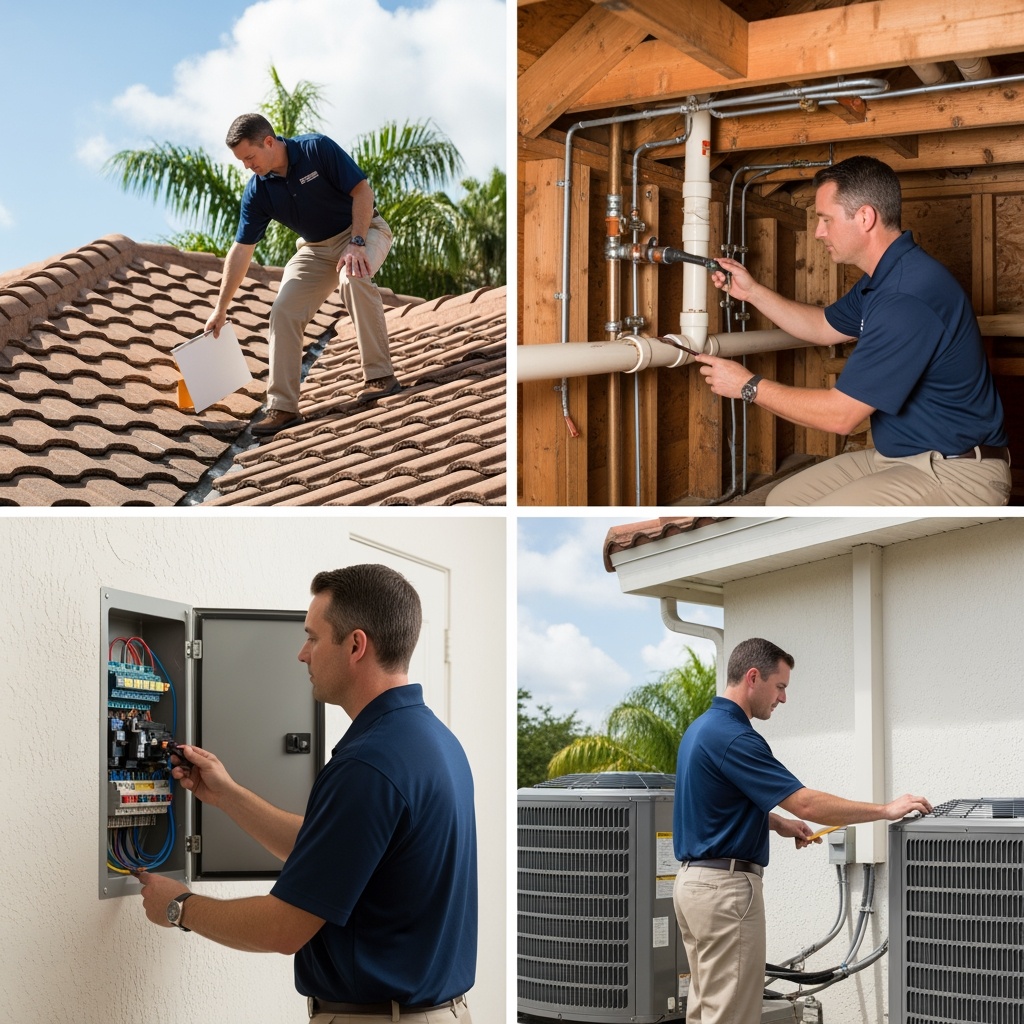
Property Maintenance Insights: AC Moisture Repair in North Miami Beach
North Miami Beach is a vibrant coastal community where high humidity, heat, and proximity to Biscayne Bay influence every aspect of home maintenance. Among the most critical systems in these properties is the air conditioning (AC) system. Operating almost year-round, AC units are vital for comfort, indoor air quality, and protecting structural components from moisture-related issues.
However, AC systems themselves can become sources of water problems if not properly maintained. Leaks, condensation buildup, and drainage issues can lead to mold growth, structural damage, and poor indoor air quality. For homeowners, landlords, and property managers, understanding AC moisture repair is essential to safeguard both property value and occupant health.
This guide explores the causes, warning signs, repair techniques, and preventive measures for AC-related moisture problems in North Miami Beach, including insights for nearby neighborhoods like North Miami, Sunny Isles Beach, Surfside, Bal Harbour, Miami Shores, Aventura, and Biscayne Park.
Understanding AC Moisture Problems
Air conditioners work by removing heat and humidity from indoor air. As warm air passes over the evaporator coil, moisture condenses on the coil and drains through a condensate line into a designated pan or drain system. In coastal homes, several factors can disrupt this process:
- Clogged Condensate Lines – Dirt, algae, or mold can block drainage, causing overflow.
- Improperly Sloped Drain Lines – Poor installation can prevent water from draining efficiently.
- Damaged Condensate Pans – Rust, cracks, or holes in the pan allow water to leak onto ceilings or floors.
- High Indoor Humidity – Excess moisture can overwhelm the system’s drainage capacity.
- Leaking Coils or Ductwork – Condensation can form where insulation is inadequate or ducts are exposed.
These issues, if unaddressed, create persistent moisture problems, leading to structural damage and indoor air quality concerns.
Why AC Moisture Problems Are Common in North Miami Beach
Coastal properties near Biscayne Bay experience environmental conditions that exacerbate AC moisture issues:
- High Humidity – The average relative humidity in North Miami Beach ranges from 70% to 80%, increasing condensation rates.
- Salt-Laden Air – Coastal salt can accelerate corrosion in metal components, including coils, condensate pans, and ductwork.
- Older Homes and HVAC Systems – Aging equipment or improperly installed ductwork can lead to leaks and inefficient moisture management.
- Continuous AC Operation – Year-round use results in consistent condensate production, magnifying drainage problems.
- Stormwater Intrusion – Hurricanes or heavy rainfall can impact drainage lines or cause roof leaks that complicate moisture control.
Understanding these local factors is key for homeowners and property managers in preventing recurring AC-related moisture issues.
Common Signs of AC Moisture Problems
Homeowners should be alert to early indicators of AC moisture issues:
- Water Stains on Ceilings or Walls – Typically beneath or near the air handler or vents.
- Dripping or Pooling Water – Condensate overflow from pans or drainage lines.
- Musty or Moldy Odors – Persistent smells indicate microbial growth caused by moisture accumulation.
- Increased Allergies or Respiratory Symptoms – Dust, mold spores, and allergens circulated through ductwork.
- Reduced AC Efficiency – Poor airflow or ice forming on evaporator coils.
- Corroded Components – Rust on coils, pans, or ducts caused by prolonged exposure to moisture.
Promptly addressing these signs is essential to prevent extensive damage.
Hidden Sources of AC-Related Moisture
Some moisture problems are not immediately visible but can have long-term consequences:
- Duct Condensation – Leaks or inadequate insulation allow humidity to condense inside ducts.
- Attic or Crawl Space Humidity – AC units located in these areas can contribute to moisture accumulation in structural components.
- Slab or Foundation Leaks – Moisture from AC drainage issues can seep into concrete slabs or wooden framing.
- AC Coil Leaks – Tiny leaks in the evaporator coil may go unnoticed until significant water damage occurs.
Detecting these hidden sources often requires professional inspection using moisture meters, thermal imaging, or duct cameras.
Professional AC Moisture Repair Process
Repairing AC moisture problems involves several steps to ensure proper function and prevent recurrence:
- Inspection and Assessment – Technicians identify the source of leaks, measure humidity levels, and assess the condition of ductwork, coils, and condensate lines.
- Cleaning and Clearing Drain Lines – Algae, mold, and debris are removed from condensate lines using specialized tools and cleaning solutions.
- Repair or Replacement of Pans and Coils – Rusted or damaged components are repaired or replaced to prevent further leaks.
- Insulation and Sealing – Ducts, pipes, and AC components are properly insulated and sealed to prevent condensation.
- Humidity Control Measures – Installing or calibrating dehumidifiers, ensuring proper ventilation, and checking system airflow.
- Post-Repair Verification – Technicians test the system under normal operation to ensure proper drainage and humidity control.
Professional repair addresses both visible and hidden moisture, safeguarding structural integrity and indoor air quality.
Preventive Measures for Coastal Homes
To minimize future AC moisture issues, property owners should implement preventive maintenance:
- Schedule Regular AC Inspections – Professional check-ups every 6–12 months ensure early detection of drainage or coil problems.
- Clean or Replace Filters – Dirty filters reduce airflow, increasing condensation on coils.
- Monitor Indoor Humidity – Maintain indoor humidity between 40–60% to reduce excessive condensate.
- Inspect Ductwork – Check for leaks, corrosion, or inadequate insulation in ducts.
- Ensure Proper Drainage – Verify slope and function of condensate lines and pans.
- Address Roof or Plumbing Leaks Promptly – Prevent external water from exacerbating AC moisture issues.
These proactive strategies are particularly important in high-humidity, coastal environments.
Benefits of Proper AC Moisture Management
Effective AC moisture repair and maintenance offer multiple advantages:
- Reduced Mold Growth – Controlling moisture prevents microbial growth inside ducts, attics, and walls.
- Improved Indoor Air Quality – Cleaner air reduces allergens, dust, and odor issues.
- Extended HVAC Lifespan – Minimizing water exposure prevents corrosion and mechanical failure.
- Enhanced Comfort – Proper drainage and humidity control improve cooling efficiency and air circulation.
- Lower Repair Costs – Early intervention prevents structural damage and more expensive restoration needs.
Why Local Expertise Matters
AC moisture management in North Miami Beach requires an understanding of local environmental conditions:
- The effects of high humidity on building materials and HVAC systems
- Salt air’s impact on metal components and corrosion rates
- Common construction challenges in older and bayfront homes
- Seasonal stormwater and drainage patterns
Local professionals, such as Tip Top Water and Fire Damage Restoration, provide comprehensive AC moisture repair, duct cleaning, and preventive maintenance tailored to North Miami Beach, Sunny Isles Beach, Bal Harbour, Surfside, Miami Shores, Aventura, and nearby coastal communities.
Conclusion
Air conditioning systems in North Miami Beach are critical for comfort, health, and property preservation. Moisture-related problems from AC units, if left unchecked, can lead to mold, corrosion, structural damage, and reduced indoor air quality.
Property owners and managers who proactively inspect, maintain, and repair AC systems can prevent hidden water damage, enhance system efficiency, and protect both their investment and occupants’ well-being. Professional AC moisture repair, combined with preventive strategies, ensures homes remain resilient and comfortable in the challenging coastal environment of North Miami Beach.