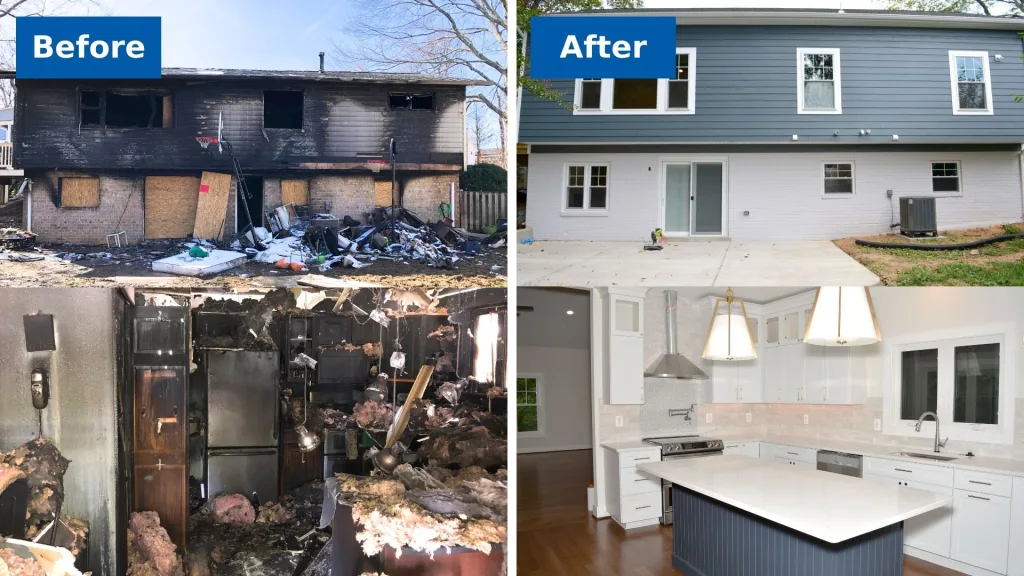
Smoke Damage Cleanup in North Miami Following Indoor Flooding: What to Watch For
North Miami is a beautiful coastal city where residents enjoy waterfront living, year-round sunshine, and vibrant neighborhoods such as North Miami Beach, Sunny Isles Beach, Surfside, Bal Harbour, Miami Shores, Aventura, and Biscayne Park. However, the area’s location near Biscayne Bay and its susceptibility to tropical storms, hurricanes, and seasonal heavy rains also create unique challenges for homeowners and property managers.
One often-overlooked consequence of indoor flooding is smoke damage. Fires that occur during or after flood events — from electrical shorts, appliance malfunctions, or other hazards — can leave behind smoke residues that are difficult to detect and clean. Even if a fire is minor or contained, smoke can infiltrate walls, ceilings, HVAC systems, and personal property, compounding the damage caused by water intrusion.
This guide provides a detailed look at smoke damage cleanup following indoor flooding in North Miami, including common challenges, hidden risks, and professional restoration strategies.
Understanding Smoke Damage Following Flooding
Smoke damage occurs when particulate matter and gases produced by combustion settle on surfaces or become trapped in building materials. Following indoor flooding, the problem is magnified because:
- Water Amplifies Smoke Penetration – Moisture from flooding causes smoke particles to adhere to walls, wood, and fabrics more readily.
- Electrical Fires Are More Common – Water intrusion can cause short circuits, overloaded outlets, or appliance malfunctions, producing smoke even without a full-scale fire.
- Humidity Intensifies Odors – High coastal humidity allows smoke residues to linger, often leading to musty or acrid smells that are difficult to remove.
Even after water is removed, smoke residues can persist in hidden areas, requiring careful inspection and remediation.
Why North Miami Homes Are Especially Vulnerable
Several local factors make smoke damage cleanup more challenging in North Miami:
- High Humidity – Moisture-laden air accelerates the absorption of smoke particles into walls, ceilings, and fabrics.
- Salt-Laden Coastal Air – Salt accelerates corrosion when combined with smoke residues on metal fixtures, fasteners, and HVAC components.
- Older Construction – Many homes have plaster walls, wooden lath, and original HVAC systems that trap smoke deeply.
- Flood-Prone Areas – Proximity to Biscayne Bay increases the risk of indoor flooding, creating conditions that compound smoke damage.
These conditions make early detection and professional cleanup crucial for protecting property value and indoor air quality.
Common Signs of Smoke Damage After Flooding
Property owners should be alert for both obvious and subtle indicators of smoke damage:
- Discolored Walls and Ceilings – Yellowing, dark streaks, or soot marks indicate smoke penetration.
- Persistent Odors – Musty, smoky, or chemical-like smells may linger in carpets, upholstery, or wall cavities.
- Corroded Fixtures or Appliances – Smoke and salt residues can cause rusting and degradation of metal surfaces.
- HVAC Odors or Contamination – Smoke can travel through air ducts, spreading particles and odors throughout the home.
- Mold Growth – Moisture from flooding combined with smoke residues can create the perfect environment for mold.
Even if a flood appears minor, these signs suggest that hidden smoke damage may be present, requiring professional intervention.
Hidden Challenges in Smoke Damage Cleanup
Several aspects of smoke damage are not immediately visible but can cause long-term issues:
- Wall Cavities and Ceilings – Smoke penetrates drywall, plaster, and insulation, leaving residues behind that release odors over time.
- Flooring and Underlayments – Carpets, tiles, and laminate floors can absorb smoke-laden water, creating hidden contamination.
- HVAC Systems and Ductwork – Smoke particles circulating through ducts can affect indoor air quality and spread odors throughout the property.
- Furniture and Upholstery – Porous surfaces absorb smoke, requiring specialized cleaning techniques to prevent lingering odors.
- Attics and Crawl Spaces – Poorly ventilated spaces trap moisture and smoke, which can lead to corrosion, mold growth, and persistent odors.
Hidden smoke damage often continues to affect the home long after visible surfaces appear clean.
Why DIY Cleanup Often Fails
Homeowners attempting smoke cleanup after flooding face several limitations:
- Surface Cleaning Only – Wiping walls or ceilings removes visible soot but leaves deep-seated residues intact.
- Improper Equipment – Standard vacuums or household cleaners cannot remove fine smoke particles or neutralize odors effectively.
- HVAC Contamination Ignored – Without proper inspection, ducts and air handlers may remain contaminated.
- Mold Risk – Residual moisture combined with smoke can create hidden mold growth if not addressed correctly.
Professional restoration combines inspection, cleaning, and preventive measures that DIY methods cannot replicate.
Professional Smoke Damage Cleanup Process
A comprehensive smoke damage cleanup following indoor flooding generally involves several steps:
- Thorough Inspection – Technicians identify affected areas, including walls, ceilings, floors, HVAC systems, and hidden cavities.
- Moisture Mitigation – Flood water removal, dehumidification, and drying to prevent further microbial growth.
- Soot and Residue Removal – HEPA vacuums, chemical sponges, and specialized cleaning solutions remove smoke deposits.
- Odor Neutralization – Thermal fogging or ozone treatments may be used to neutralize persistent odors.
- HVAC System Cleaning – Ductwork and air handlers are inspected and cleaned to prevent the spread of smoke particles.
- Restoration and Repairs – Damaged surfaces, insulation, or fixtures are repaired or replaced as needed.
- Post-Cleanup Verification – Technicians confirm the absence of soot, odors, and moisture, ensuring safe indoor air quality.
Preventive Strategies for Bayfront Homes
Property owners can take several steps to reduce the risk and severity of smoke damage after flooding:
- Regular HVAC Inspection – Ensuring proper airflow and monitoring for moisture or smoke infiltration.
- Moisture Monitoring – Using sensors in attics, crawl spaces, and walls to detect excess humidity early.
- Prompt Flood Response – Immediate water removal and drying prevent smoke residues from binding with moisture.
- Seal Vulnerable Surfaces – Applying water- and smoke-resistant coatings to walls and ceilings.
- Education and Preparedness – Understanding electrical risks during floods and minimizing appliance use during water events.
Proactive measures reduce the likelihood of extensive smoke and water damage in coastal properties.
Why Local Expertise Matters
Smoke damage cleanup in North Miami requires knowledge of local environmental conditions:
- Coastal Humidity – Affects smoke particle adherence and microbial growth.
- Salt Air – Accelerates corrosion and complicates restoration of metal fixtures and ducts.
- Flood Patterns – Understanding how stormwater infiltrates homes guides inspection and drying procedures.
- Older Homes and Unique Construction – Local homes often have materials and layouts that trap smoke and moisture in hidden areas.
Tip Top Water and Fire Damage Restoration has extensive experience handling smoke and water damage in North Miami, North Miami Beach, Sunny Isles Beach, Surfside, Bal Harbour, Miami Shores, Aventura, and surrounding Biscayne Bay neighborhoods. Their expertise ensures a comprehensive cleanup tailored to local conditions.
Conclusion
Smoke damage following indoor flooding is a complex issue that goes beyond visible soot and water stains. Hidden residues, corrosion, mold growth, and contaminated HVAC systems can persist long after the initial incident, compromising indoor air quality and structural integrity.
Homeowners, landlords, and property managers in North Miami and nearby bayfront neighborhoods should be proactive in identifying signs of smoke damage, implementing professional cleanup, and taking preventive measures. Early intervention, combined with local expertise, ensures homes remain safe, healthy, and resilient against the combined effects of flooding and smoke exposure.