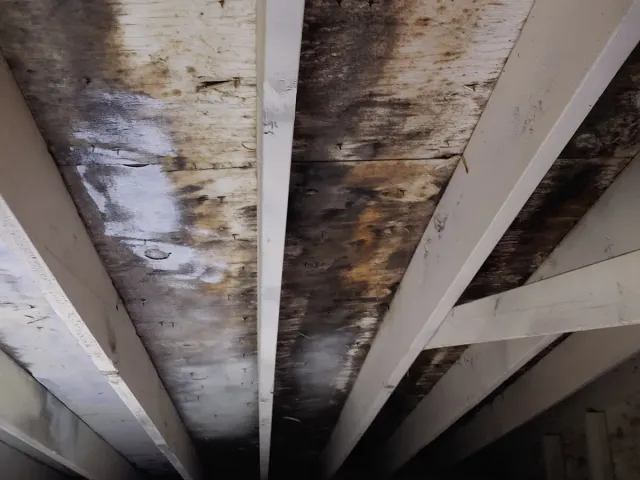
A Property Owner’s Guide to Mold Testing in Bayfront Homes in North Miami
Bayfront homes in North Miami offer breathtaking views, a coastal lifestyle, and proximity to Biscayne Bay. However, living near the water comes with unique property maintenance challenges, particularly related to moisture and mold. High humidity, salt-laden air, storm surges, and AC condensation create conditions that allow mold to grow quickly, often in hidden areas. For homeowners, landlords, and property managers, understanding the mold testing process is essential to protect property value, indoor air quality, and occupant health.
Mold testing is more than a routine inspection. It is a critical diagnostic process that identifies both visible and hidden mold, evaluates contamination severity, and provides actionable insights for remediation and prevention. This guide explains the entire mold testing process specifically for bayfront homes in North Miami, highlighting why professional assessment is necessary and how property owners can proactively manage mold risks.
Understanding Mold in Bayfront Homes
Mold is a type of fungus that thrives in damp, humid environments. While some mold is naturally present in all homes, uncontrolled growth can lead to:
- Structural Damage – Mold can compromise wood framing, drywall, insulation, and flooring.
- Persistent Odors – Musty smells often indicate hidden mold.
- Air Quality Issues – Mold spores can circulate in indoor air, affecting respiratory health.
- Hidden Contamination – Mold can develop behind walls, under flooring, in attics, crawl spaces, or inside ductwork.
Bayfront homes in North Miami face specific risks due to their coastal location: high humidity, frequent rain, salt air exposure, and older construction materials such as plaster walls, hardwood floors, and slab foundations. These factors create the ideal environment for mold to develop unnoticed.
Why Professional Mold Testing Is Important
While some homeowners may attempt DIY mold tests, professional testing provides far more accurate and actionable results:
- Accurate Identification – Professionals can determine mold species, which influences remediation methods.
- Detection of Hidden Mold – Moisture meters, thermal imaging, and air sampling reveal concealed mold behind walls or inside HVAC systems.
- Quantitative Analysis – Laboratory testing provides spore counts and concentration levels, helping to evaluate severity.
- Source Identification – Testing helps pinpoint the underlying moisture problem, whether it’s AC condensation, plumbing leaks, or stormwater intrusion.
Professional mold testing ensures that remediation addresses both the visible mold and the environmental conditions that allowed it to grow.
Step 1: Initial Assessment
The first stage of mold testing involves a thorough visual and environmental assessment:
- Visual Inspection – Technicians look for visible mold, water stains, discoloration, peeling paint, or warped surfaces.
- Moisture Evaluation – Moisture meters and thermal imaging detect damp areas behind walls, under flooring, or inside ceilings.
- HVAC Assessment – Ducts, vents, and air handlers are examined for mold contamination or water accumulation.
- Environmental Observation – Humidity levels, ventilation efficiency, and water intrusion points such as roofs, windows, and plumbing are evaluated.
This assessment informs where samples should be collected and helps prioritize areas for remediation.
Step 2: Selecting Sampling Locations
In bayfront homes, mold may develop in both obvious and hidden areas. Sampling locations are carefully chosen based on:
- High-Moisture Areas – Bathrooms, kitchens, laundry rooms, and spaces near AC units are particularly vulnerable.
- Water-Damaged Surfaces – Walls, ceilings, and flooring previously exposed to leaks or flooding.
- Hidden Spaces – Crawl spaces, attics, wall cavities, and under cabinets where moisture can accumulate.
- HVAC Systems – Air ducts, vents, and filters that may harbor spores and distribute them throughout the home.
A comprehensive sampling plan ensures no area at risk is overlooked.
Step 3: Mold Sampling Methods
Professional mold testing employs several techniques to detect contamination:
1. Air Sampling
Air samples measure the concentration of airborne mold spores. Technicians compare indoor spore levels with outdoor baselines to determine if indoor contamination is elevated.
2. Surface Sampling
Surface samples are collected using swabs, tape lifts, or bulk materials. These samples confirm the presence of mold on walls, floors, ceilings, or other surfaces.
3. Bulk Sampling
In some cases, sections of drywall, insulation, or other building materials may be removed and analyzed to evaluate hidden contamination.
4. Moisture and Environmental Testing
Moisture meters, infrared cameras, and humidity sensors detect areas prone to mold growth and help identify sources of water intrusion.
Step 4: Laboratory Analysis
Samples collected during testing are sent to accredited laboratories for detailed analysis:
- Species Identification – Determines the specific type of mold present, which guides remediation strategies.
- Spore Counts – Provides a quantitative measure of contamination severity.
- Correlation With Moisture – Helps identify the source and extent of water intrusion, whether from AC condensation, plumbing leaks, or stormwater.
Accurate lab results allow professionals to develop targeted remediation and prevention plans.
Step 5: Reporting and Recommendations
After laboratory analysis, technicians provide a comprehensive report:
- Findings – Locations, types, and concentrations of mold.
- Severity Assessment – Minor, moderate, or extensive contamination levels.
- Root Cause Identification – Moisture sources leading to mold growth.
- Remediation Plan – Recommended cleaning, removal, and moisture control steps.
- Preventive Guidance – Strategies for humidity control, AC maintenance, and water intrusion prevention.
This report enables homeowners and property managers to take informed action and prioritize repairs effectively.
Signs That Mold Testing Is Needed
Property owners should consider professional mold testing if they notice:
- Musty Odors – Persistent smells, especially near AC vents or damp areas.
- Visible Mold – Discoloration, black or green patches on walls, ceilings, or floors.
- Water Stains or Warping – Indications of hidden leaks or moisture accumulation.
- Increased Allergic Reactions – Sneezing, coughing, or respiratory issues in occupants.
- HVAC Performance Issues – Reduced airflow, musty air, or visible condensation in ducts.
Early testing helps prevent extensive damage and ensures indoor air quality is maintained.
Preventing Mold in Bayfront Homes
Once testing and remediation are complete, homeowners can implement measures to prevent future mold growth:
- Control Humidity – Use dehumidifiers and ensure proper ventilation to maintain indoor humidity below 60%.
- Maintain AC Systems – Clean coils, condensate pans, and ducts; inspect drainage lines regularly.
- Repair Leaks Promptly – Address roof, plumbing, and AC leaks immediately.
- Use Mold-Resistant Materials – Consider mold-resistant drywall, insulation, and flooring during renovations.
- Monitor Hidden Spaces – Regularly check attics, crawl spaces, and basements for moisture.
- Professional Inspections – Schedule periodic professional mold inspections to catch problems early.
Proactive maintenance reduces the likelihood of recurring mold problems in coastal homes.
Why Local Expertise Matters
Mold testing and remediation in North Miami bayfront homes require local expertise due to unique environmental factors:
- High Humidity and Salt Air – Coastal conditions increase mold risk and can affect HVAC systems.
- Older Construction – Homes may feature slab foundations, plaster walls, and hardwood floors that require specialized inspection methods.
- Stormwater Exposure – Even minor flooding or leaks during storms can create hidden mold hotspots.
- AC Condensation Issues – Local professionals understand the nuances of South Florida HVAC systems and their impact on indoor moisture.
Tip Top Water and Fire Damage Restoration combines hands-on experience with local knowledge to provide effective mold testing and remediation services for North Miami bayfront homes, as well as surrounding areas including North Miami Beach, Miami Shores, Aventura, Bal Harbour, and Surfside.
Conclusion
Mold testing is a critical component of property maintenance for bayfront homes in North Miami. Coastal environmental factors such as high humidity, salt air, and AC condensation make these properties particularly susceptible to hidden mold growth.
Professional mold testing ensures accurate identification, detects hidden contamination, and provides actionable recommendations for remediation and prevention. By understanding the process—from initial assessment and sampling to laboratory analysis and reporting—homeowners, landlords, and property managers can protect property value, maintain indoor air quality, and prevent long-term structural damage.
For bayfront properties near Biscayne Bay, investing in professional mold testing is not only a matter of maintenance but also a proactive approach to safeguarding a valuable coastal investment.