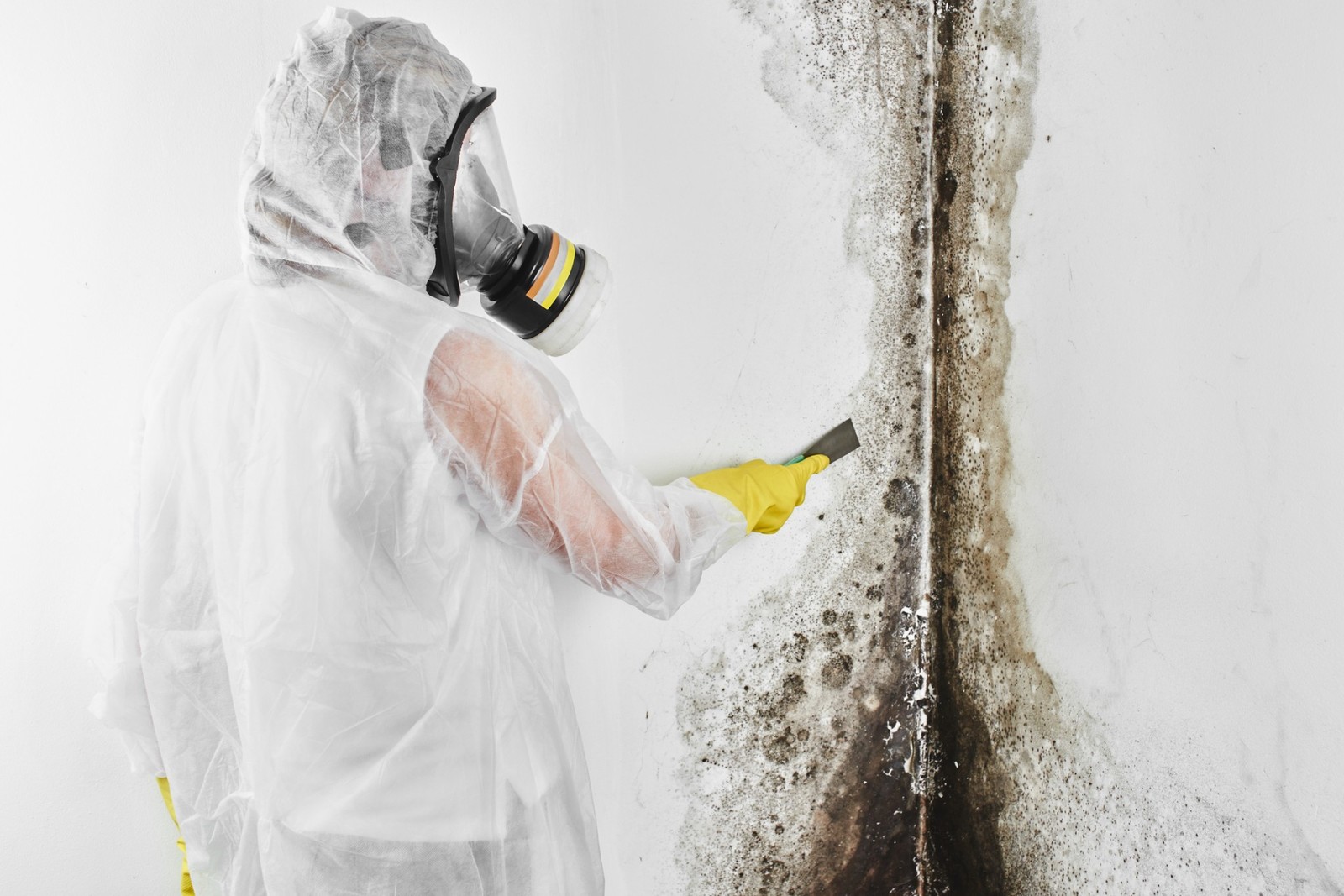
Explaining the Process of Black Mold Removal in Surfside
Surfside, a scenic coastal community in Miami-Dade County, offers homeowners ocean views, tropical living, and a close-knit neighborhood feel. However, the same coastal conditions that make Surfside desirable also create challenges when it comes to moisture management and mold growth. High humidity, salt-laden air, frequent storms, and AC condensation create an environment where black mold can thrive, often hidden in walls, attics, crawl spaces, and HVAC systems.
Black mold, also known as Stachybotrys chartarum, is particularly concerning because it grows in moist, cellulose-rich environments and can cause extensive damage if not properly addressed. For property owners, landlords, and property managers, understanding the process of black mold removal is critical to protect both the home and the health of its occupants.
What Black Mold Is
Black mold is a type of fungus that grows in damp, warm, and poorly ventilated areas. It can colonize materials such as drywall, insulation, wood, carpeting, and ceiling tiles. While all mold requires moisture to thrive, black mold is particularly aggressive and can develop quickly after water damage events such as flooding, leaks, or AC condensation overflows.
Visible black mold is often dark green or black, with a slimy texture when wet. However, much of the contamination is frequently hidden behind walls, under flooring, or inside HVAC ducts, making professional inspection and removal essential.
Why Black Mold Develops in Surfside Homes
Surfside’s coastal environment creates ideal conditions for black mold growth:
- High Humidity – Daily humidity levels in the region often exceed 70%, promoting moisture retention in building materials.
- AC Condensation – Improperly maintained units or clogged condensate lines can release water into ceilings and walls.
- Storm Water Intrusion – Heavy rainfall, hurricanes, and occasional flooding introduce water into basements, crawl spaces, and living areas.
- Aging Construction Materials – Older homes with plaster walls, wood framing, and slab foundations may absorb and retain moisture more readily.
- Poor Ventilation – Enclosed spaces like attics, crawl spaces, and closets can trap moisture, encouraging mold growth.
Even minor leaks or moisture accumulation can provide a foothold for black mold, allowing it to expand and cause structural damage if left unchecked.
Recognizing the Signs of Black Mold
Homeowners should be vigilant for both visible and hidden indicators of black mold:
- Visible Growth – Dark green or black patches on walls, ceilings, or under sinks.
- Musty Odors – Persistent damp smells, especially in areas near water sources or HVAC systems.
- Water Stains or Discoloration – Yellowing or browning on ceilings, walls, or baseboards.
- Warped Materials – Wood, flooring, or drywall may warp or bubble due to moisture absorption.
- Health Symptoms – Persistent allergies, coughing, or respiratory irritation among occupants.
Early detection is essential because black mold spreads quickly and can infiltrate hidden spaces.
Why Professional Black Mold Removal Is Necessary
Attempting DIY black mold removal is risky and often ineffective. Professional remediation is important for several reasons:
- Hidden Mold Detection – Technicians can locate mold behind walls, under floors, and inside HVAC systems.
- Proper Containment – Professionals prevent spores from spreading to other areas during cleanup.
- Specialized Equipment – HEPA vacuums, air scrubbers, and industrial dehumidifiers ensure thorough removal.
- Targeted Remediation – Different materials require specific cleaning, removal, or replacement techniques.
- Moisture Source Identification – Professionals address the underlying cause of mold, such as leaks or AC condensation, to prevent recurrence.
Professional expertise ensures both effective removal and protection of indoor air quality.
Step 1: Initial Assessment
Black mold removal begins with a comprehensive assessment of the property:
- Visual Inspection – Technicians check for visible mold, water stains, and material deterioration.
- Moisture Detection – Moisture meters and thermal imaging cameras locate hidden water accumulation behind walls or under flooring.
- HVAC Evaluation – Ductwork, vents, and air handlers are examined for mold contamination or water intrusion.
- Environmental Observation – Humidity levels, ventilation, and potential water entry points from roofs, windows, and plumbing are assessed.
The assessment identifies both obvious and concealed mold, informing a targeted removal strategy.
Step 2: Containment
Before removal begins, professionals establish containment to prevent mold spores from spreading:
- Physical Barriers – Plastic sheeting seals off affected areas.
- Negative Air Pressure – Specialized equipment ensures that air flows away from unaffected rooms.
- HVAC Isolation – Ducts may be temporarily sealed to prevent spore distribution.
- Personal Protective Equipment (PPE) – Technicians wear respirators, gloves, and protective suits for safety.
Proper containment is essential to minimize contamination during the remediation process.
Step 3: Removal and Cleaning
Black mold remediation varies based on the type of surface and the extent of contamination:
- Porous Materials – Items like drywall, insulation, and carpet are often removed and safely disposed of.
- Non-Porous Surfaces – Wood, metal, or tile can be cleaned using HEPA vacuuming and antimicrobial treatments.
- Structural Components – Severely affected wood or framing may require replacement to prevent further damage.
- HVAC Systems – Duct cleaning and coil sanitization ensure that spores do not recirculate throughout the home.
All surfaces are thoroughly cleaned, and industrial dehumidifiers are used to dry affected areas completely.
Step 4: Moisture Control and Prevention
Addressing the root cause of black mold is crucial:
- Repair Leaks – Fix roofs, plumbing, or AC issues to eliminate moisture sources.
- Improve Ventilation – Enhance airflow in attics, crawl spaces, and other enclosed areas.
- Control Indoor Humidity – Use dehumidifiers or adjust HVAC settings to maintain levels below 60%.
- Regular AC Maintenance – Clean coils, condensate pans, and drainage lines to prevent future water buildup.
Without proper moisture control, black mold is likely to return.
Step 5: Final Inspection and Clearance
After remediation, a final inspection ensures that:
- Mold is Completely Removed – Both visible and hidden areas are checked.
- Moisture Levels Are Normalized – Walls, flooring, and air are dry.
- Air Quality Is Safe – Post-remediation testing may be conducted to confirm spore levels are acceptable.
- Preventive Measures Are Implemented – Homeowners receive guidance to reduce future risks.
This final step provides peace of mind and confirms the property is safe for occupancy.
Challenges Unique to Surfside Homes
Several factors make black mold removal in Surfside particularly challenging:
- Coastal Humidity and Salt Air – These accelerate mold growth and may complicate cleaning.
- Older Construction Materials – Historic homes require specialized techniques to preserve integrity.
- Stormwater Exposure – Homes may experience intermittent flooding or leaks that complicate remediation.
- AC System Design – Local HVAC systems can contribute to hidden moisture and require targeted attention.
Experienced local professionals understand these challenges and tailor their approach accordingly.
Conclusion
Black mold removal in Surfside is a complex process requiring expertise, proper equipment, and a thorough understanding of coastal property challenges. From initial assessment and containment to removal, cleaning, and moisture control, each step is critical to ensuring complete remediation and preventing future growth.
For homeowners, landlords, and property managers, professional black mold removal protects structural integrity, indoor air quality, and overall property value. By addressing both visible mold and hidden moisture sources, properties along Biscayne Bay can remain safe, healthy, and resilient in the face of South Florida’s unique environmental conditions.