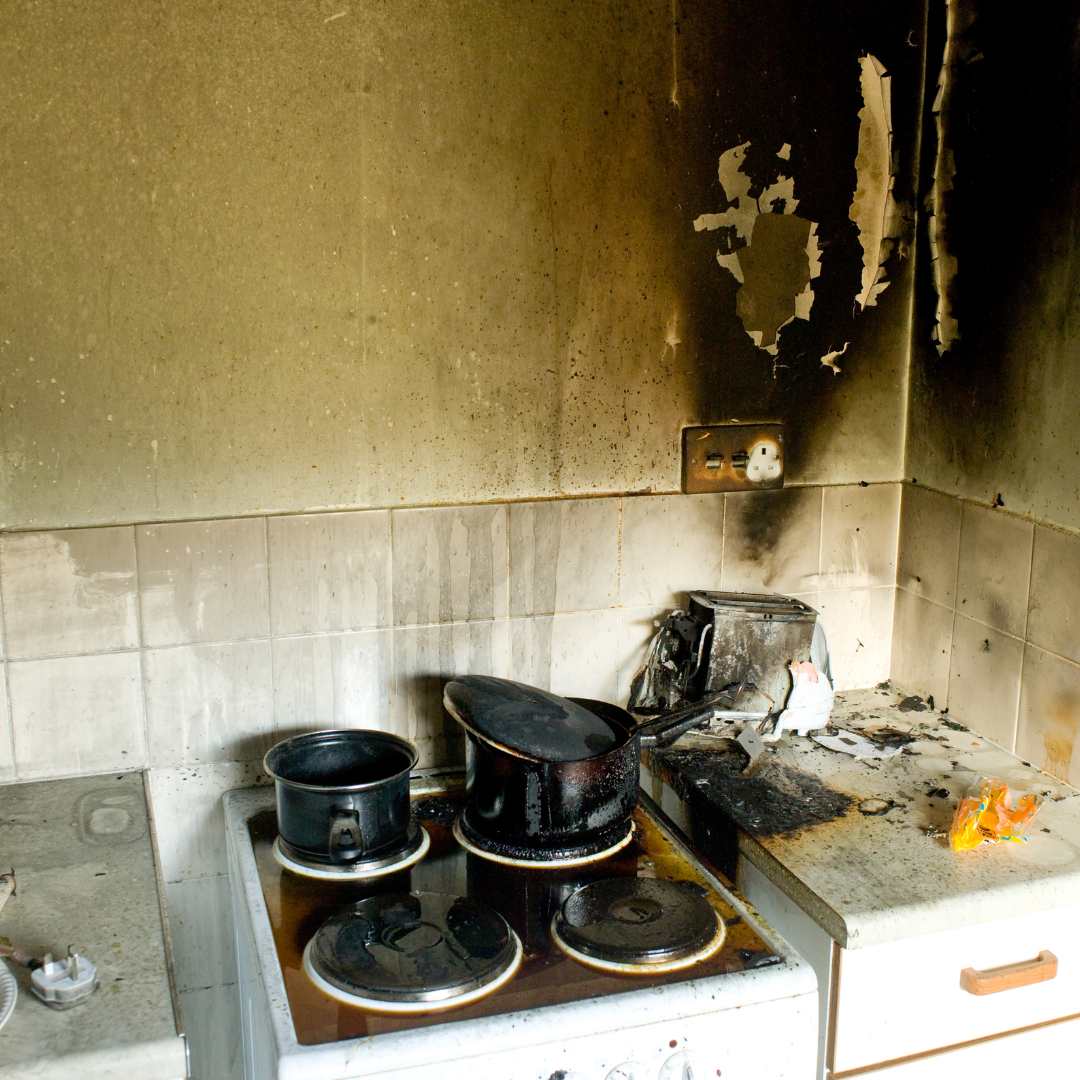
Property Maintenance Insights: Smoke Damage Cleanup in Biscayne Park
Biscayne Park, a quiet and historic neighborhood in North Miami-Dade, is home to charming older residences, lush tree-lined streets, and a strong sense of community. While residents enjoy the area’s coastal proximity and serene environment, homes here are not immune to fire-related incidents. Even minor fires or small kitchen mishaps can leave behind smoke residue that permeates walls, ceilings, and furniture.
Smoke damage is more than just a cosmetic concern. It can affect indoor air quality, create lingering odors, and even cause long-term structural damage if not addressed promptly. For homeowners, landlords, and property managers in Biscayne Park, understanding the causes, risks, and professional cleanup process is essential to maintain a safe, healthy, and well-maintained property. This guide provides a detailed look at smoke damage cleanup, prevention strategies, and local considerations specific to Biscayne Park homes.
Understanding Smoke Damage
Smoke damage occurs when the byproducts of combustion—soot, ash, and gases—settle on surfaces or infiltrate building materials. This type of damage is often invisible at first glance but can have serious consequences over time.
Key effects of smoke damage include:
- Surface Staining – Walls, ceilings, and fixtures may develop yellow or brown marks.
- Odor Contamination – Smoke odor can linger for months, especially if it penetrates porous materials.
- Air Quality Issues – Soot and particulates in the air can aggravate allergies and respiratory conditions.
- Material Degradation – Prolonged exposure to smoke can corrode metal, discolor fabrics, and damage wood finishes.
- Hidden Damage – Smoke can travel through ductwork, wall cavities, and attics, causing unseen contamination.
In Biscayne Park, where homes often feature older construction and wooden framing, smoke can penetrate deeper into structural components, making professional cleanup critical.
Common Causes of Smoke Damage in Biscayne Park
Several factors contribute to smoke-related issues in local homes:
1. Kitchen Fires
Cooking accidents are among the most frequent sources of smoke damage. Even small grease fires or overheated appliances can generate smoke that spreads through a home’s air circulation system.
2. Electrical Fires
Aging wiring or overloaded circuits in older Biscayne Park homes may result in small sparks or fires, producing smoke that permeates walls and ceilings.
3. Candles and Open Flames
Candles, fireplaces, and incense can create smoke over time, especially in poorly ventilated rooms.
4. Nearby Fires
In coastal communities, smoke from controlled burns, nearby properties, or even wildfires can infiltrate homes through windows, doors, and HVAC systems.
5. Heating and AC Systems
HVAC systems can spread smoke from localized events throughout the home, allowing soot and odor to settle in ductwork and inaccessible areas.
Signs Homeowners Should Watch For
Identifying smoke damage early can prevent long-term problems. Common indicators include:
- Lingering Odors – A persistent smoky or burnt smell throughout the home.
- Surface Discoloration – Yellow or brown stains on walls, ceilings, or furniture.
- Soot Deposits – Fine black or gray powder on surfaces, vents, or appliances.
- Air Quality Issues – Irritation of the eyes, nose, or throat after smoke exposure.
- HVAC Contamination – Smoke odor or dust emerging from vents during system operation.
- Hidden Residue – Smoke may have settled behind walls or inside ductwork, remaining invisible to casual observation.
Even if the smoke source was minor or quickly extinguished, professional evaluation is often necessary to assess the full extent of contamination.
Hidden Challenges in Smoke Damage Cleanup
Smoke damage is not always visible, which makes cleanup challenging:
- Ductwork Contamination – Smoke and soot can travel through air ducts, affecting multiple rooms.
- Porous Materials – Fabrics, upholstery, carpets, and insulation readily absorb smoke and odors.
- Structural Penetration – Smoke can penetrate walls, ceilings, and wood framing, causing long-term staining and odor.
- Chemical Reactions – Smoke residues may interact with humidity, air pollutants, or cleaning agents, complicating removal.
Addressing these hidden sources requires specialized techniques, tools, and experience with local property types.
Why DIY Smoke Cleanup Often Fails
Homeowners may attempt to clean smoke damage themselves using surface cleaning, vinegar solutions, or air fresheners. However, DIY methods often fall short:
- Surface Cleaning Only – Visible soot is removed, but hidden smoke in walls, ducts, and insulation remains.
- Incomplete Odor Removal – Smoke particles chemically bond to materials and cannot be eliminated with simple cleaning.
- Potential Health Risks – Soot and smoke residues can irritate skin, eyes, and respiratory systems.
- Damage to Materials – Improper cleaning agents can discolor fabrics, wood, or finishes.
Professional restoration ensures comprehensive removal, proper treatment of odors, and preservation of property materials.
Professional Smoke Damage Cleanup Process
A full smoke damage restoration involves multiple steps to address both visible and hidden contamination:
1. Assessment and Inspection
- Visual Examination – Identifies soot, staining, and smoke-affected areas.
- HVAC Evaluation – Inspects ductwork and vents for smoke and soot accumulation.
- Material Analysis – Determines which items can be cleaned and which require replacement.
- Air Quality Testing – Detects particulates and odors in the home environment.
2. Containment and Protection
- Isolation of Affected Areas – Prevents cross-contamination to unaffected parts of the home.
- Protective Measures – Technicians use PPE to avoid inhalation of soot or exposure to residues.
3. Soot and Smoke Removal
- Dry Cleaning – Specialized vacuums and sponges remove surface soot.
- Wet Cleaning – Chemical solutions remove stubborn residues on walls, furniture, and flooring.
- Air Scrubbing – HEPA filters capture airborne soot particles during cleanup.
- Duct and HVAC Cleaning – Eliminates contamination circulating through the air system.
4. Odor Neutralization
- Thermal Fogging – Penetrates materials to neutralize smoke odor.
- Ozone Treatments – Breaks down odor-causing molecules.
- Surface Treatments – Sealants or antimicrobials applied to prevent recurrence.
5. Restoration and Repairs
- Painting and Wall Repair – Repainting, drywall replacement, or sealing of affected areas.
- Flooring and Cabinetry – Cleaning, refinishing, or replacement as needed.
- HVAC System Verification – Ensures ducts and air handlers are free from smoke contamination.
Professional restoration addresses all damage comprehensively, reducing long-term risks.
Preventing Future Smoke Damage
Proactive measures can reduce the risk of smoke-related incidents:
- Smoke Detectors – Ensure functioning detectors throughout the home.
- HVAC Maintenance – Clean and inspect systems to prevent smoke spread from small fires.
- Safe Cooking Practices – Avoid leaving appliances unattended.
- Fire Extinguishers – Keep accessible units in kitchens, garages, and other key areas.
- Routine Inspections – Check wiring, outlets, and appliances for potential fire hazards.
- Ventilation – Ensure proper airflow to reduce smoke accumulation during minor incidents.
These steps are especially important for older Biscayne Park homes with limited ventilation and wooden framing.
Why Local Expertise Matters
Homes in Biscayne Park have unique characteristics that influence smoke damage restoration:
- Older Construction Materials – Wood framing, plaster walls, and mid-century finishes require careful handling.
- High Humidity – Coastal climate affects smoke particle behavior and odor persistence.
- HVAC Systems – Local technicians understand the layout and potential for duct contamination.
- Storm and Moisture Considerations – Experts consider interactions between smoke, water, and humidity during restoration.
Tip Top Water and Fire Damage Restoration brings local experience and hands-on knowledge to Biscayne Park, North Miami, Bal Harbour, Miami Shores, and nearby communities, ensuring thorough smoke damage cleanup tailored to the area.
Conclusion
Smoke damage in Biscayne Park homes can result from minor kitchen incidents, electrical issues, or small fires, yet even seemingly minor events can create widespread contamination. Smoke residue affects surfaces, materials, and indoor air quality, and hidden smoke can linger in ducts, walls, and insulation for months.
Professional smoke damage cleanup involves assessment, containment, soot and smoke removal, odor neutralization, and restoration, addressing both visible and hidden damage. Preventive maintenance—including HVAC care, safe cooking practices, and fire detection—reduces the risk of future smoke incidents.
With local expertise, specialized equipment, and proven restoration techniques, homeowners, landlords, and property managers in Biscayne Park can restore their homes safely, maintain property value, and protect the health and comfort of occupants.