What Really Causes the Need for Moisture Detection in North Miami Beach
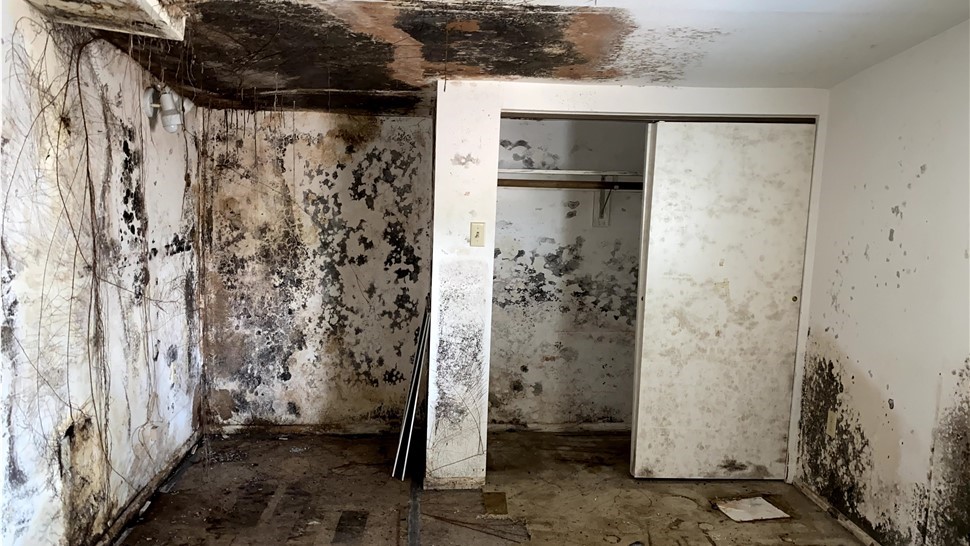
Moisture problems are one of the most common and misunderstood issues affecting homes and businesses across North Miami Beach. Many property owners don’t realize there is a problem until mold appears, floors start warping, or a musty odor becomes impossible to ignore. By that point, hidden damage has often been developing for weeks or even months.
In coastal communities like North Miami Beach, Sunny Isles Beach, Bal Harbour, and Aventura, moisture intrusion is not an occasional inconvenience — it’s an ongoing environmental challenge. Detecting moisture early is critical to protecting property value, indoor air quality, and building structure.
Understanding why moisture detection is so important begins with understanding how moisture problems actually start in South Florida homes.
Understanding the Moisture Problem
Moisture detection involves identifying hidden water or dampness inside walls, ceilings, floors, duct systems, and structural components. Many moisture problems are invisible, slowly spreading behind surfaces before homeowners ever notice visible damage.
Moisture can enter or build up inside properties through:
- Roof leaks
- Plumbing leaks
- Flooding or storm intrusion
- AC condensation problems
- Poor ventilation
- High indoor humidity
- Foundation seepage
- Appliance leaks
- Air duct condensation
Because water often travels away from its source, damage can appear far from where the problem actually began. This is why professional moisture detection tools and inspections are often necessary.
Why Moisture Problems Are So Common in North Miami Beach
North Miami Beach sits in a unique climate zone where heat, humidity, and coastal exposure combine to create perfect conditions for hidden moisture buildup.
Several regional factors contribute to frequent moisture issues:
High Humidity Levels
South Florida humidity regularly exceeds 70–80%, meaning indoor air constantly carries moisture. When humid air meets cooler surfaces, condensation forms inside homes.
Heavy Rain and Storm Systems
Seasonal storms and sudden heavy rainfall frequently lead to roof leaks, window intrusion, and exterior wall moisture.
Flooding and Standing Water
Low elevation and coastal proximity mean some neighborhoods experience recurring flooding or water accumulation after storms.
Air Conditioning Usage Year-Round
AC systems operate almost constantly in this region. Poor maintenance, clogged drains, or duct condensation often lead to hidden water buildup.
Coastal Air Exposure
Salt-heavy coastal air adds moisture and accelerates building material deterioration, increasing vulnerability to water intrusion.
Common Signs Homeowners Notice
Moisture problems rarely appear dramatically at first. Instead, homeowners often see small warning signs that are easy to overlook.
Common early signs include:
- Musty or damp odors
- Discoloration on walls or ceilings
- Peeling paint or bubbling drywall
- Warped flooring or soft spots
- Increased allergy symptoms indoors
- Condensation on windows or vents
- Mold spots appearing in corners or closets
- AC units struggling to maintain temperature
These signs often indicate moisture hiding behind surfaces rather than just superficial issues.
Hidden or Overlooked Sources of Moisture
Some of the most serious moisture problems come from locations homeowners rarely inspect.
Hidden moisture sources often include:
- Inside air ducts
- Behind kitchen or bathroom cabinets
- Beneath flooring
- Inside attic insulation
- Crawl spaces or slab edges
- Behind shower or tub walls
- AC drain line backups
- Washing machine or dishwasher leaks
In North Miami Beach homes, attic condensation is especially common due to hot roof spaces meeting cool indoor air.
Why DIY Mold or Moisture Fixes Usually Fail
Many homeowners try to solve moisture problems themselves after noticing mold or damp areas. Unfortunately, surface cleaning rarely addresses the underlying moisture source.
Common DIY mistakes include:
- Painting over stains without drying walls
- Using bleach on mold without fixing moisture
- Running fans without removing trapped water
- Ignoring AC drainage issues
- Cleaning visible mold but leaving hidden growth
Without moisture detection tools, the real source remains untreated, allowing mold and damage to return quickly.
How Professional Moisture Detection Works
Professional moisture inspections use specialized equipment to find water where it cannot be seen.
These inspections typically involve:
- Moisture meters scanning walls and floors
- Thermal imaging cameras locating hidden damp areas
- Humidity level testing
- AC system moisture analysis
- Roof and attic inspections
- Leak detection tracing water paths
Companies like Tip Top Water and Fire Damage Restoration often uncover moisture in unexpected locations, helping homeowners resolve issues before costly damage occurs.
Proper Mold Removal and Remediation Process
When moisture remains untreated, mold growth becomes likely. Mold remediation requires more than just cleaning visible surfaces.
A professional remediation process usually includes:
- Identifying and stopping moisture sources
- Containment of affected areas
- Removal of damaged materials
- Air filtration during cleanup
- Antimicrobial treatment
- Drying and dehumidification
- Post-remediation verification
Without moisture control, mold frequently returns even after cleaning.
Flood Restoration and Water Damage Repair
In coastal communities like Surfside and Miami Shores, flooding or storm intrusion can leave homes saturated even after visible water is removed.
Professional restoration typically involves:
- Water extraction
- Structural drying
- Floor and drywall repair
- Odor removal
- Mold prevention treatment
- Reconstruction of damaged areas
Moisture detection ensures hidden wet materials do not remain after restoration.
Air Ducts, AC Systems, and Mold Growth
AC systems are one of the biggest moisture contributors in South Florida homes.
Common issues include:
- Clogged AC drain lines
- Condensation inside ducts
- Improper insulation
- Dirty coils or drip pans
- Air leaks causing humidity imbalance
When ducts stay damp, mold spreads through airflow, affecting indoor air quality throughout the property.
Professional inspections often include duct and HVAC moisture evaluation.
Preventing Moisture Problems in North Miami Beach Homes
Homeowners can reduce moisture risks by following several prevention steps:
- Service AC systems regularly
- Clean drain lines and drip pans
- Maintain roof and exterior seals
- Use dehumidifiers if needed
- Improve ventilation in bathrooms and kitchens
- Check plumbing for slow leaks
- Monitor attic and crawl spaces
- Fix water intrusion quickly
Preventative maintenance costs far less than major restoration work.
Why Local Experience Matters
Moisture issues in North Miami Beach differ from those in other parts of the country. Coastal construction styles, climate conditions, and building materials require local knowledge.
A restoration company familiar with local challenges understands:
- Typical moisture entry points
- Seasonal risk patterns
- Coastal home construction methods
- Common AC-related moisture issues
- Flood-prone neighborhood risks
This experience leads to faster problem identification and more effective solutions.
Protecting Your Property Starts with Early Detection
Moisture damage rarely starts as a major problem. It begins quietly and spreads slowly until noticeable damage appears.
Homeowners who act early protect their homes, avoid costly repairs, and maintain healthier indoor environments.
If moisture concerns arise, professional inspections provide clarity and help prevent long-term structural or mold issues. Experienced local teams like Tip Top Water and Fire Damage Restoration regularly assist property owners across North Miami Beach and surrounding communities in identifying hidden moisture before it becomes a serious problem.
Addressing moisture early is one of the smartest investments homeowners can make in protecting their property and peace of mind.