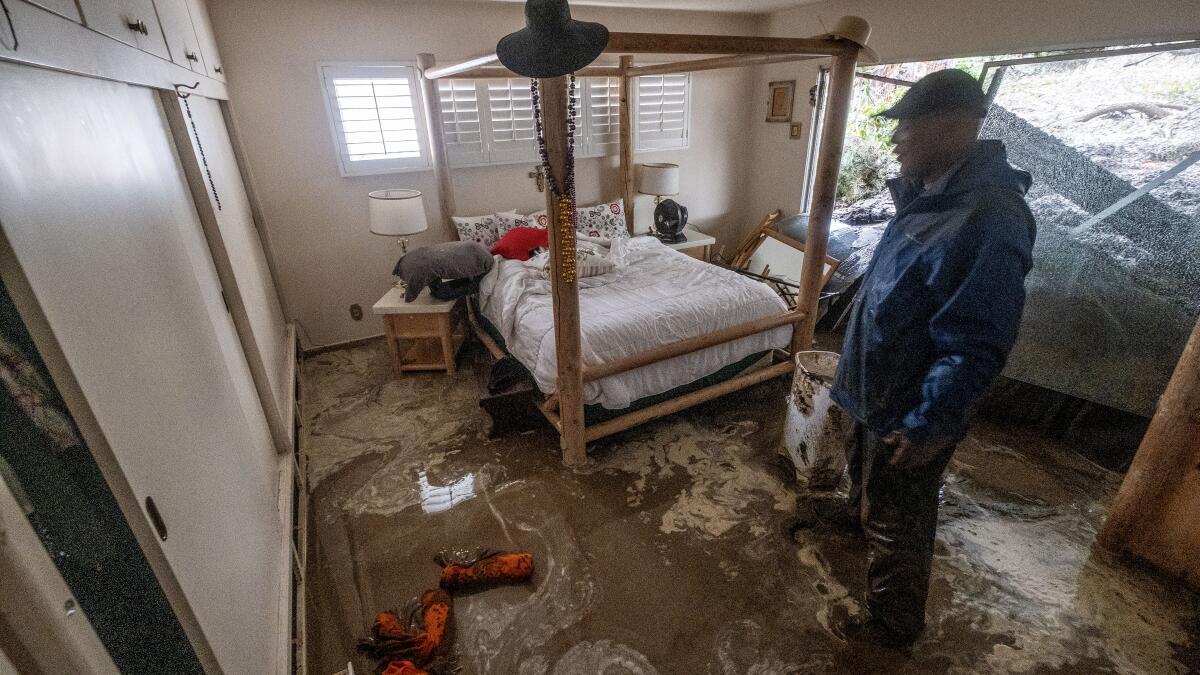
Why Indoor Air Quality Improvement Becomes Necessary in Aventura in Waterfront Properties
Waterfront properties in Aventura, as well as nearby areas like Sunny Isles Beach, North Miami Beach, Bal Harbour, Miami Shores, Surfside, and Biscayne Park, offer stunning views and premium living. However, the unique coastal environment also brings challenges for maintaining healthy indoor air quality (IAQ). Salt-laden air, high humidity, stormwater intrusion, and moisture from HVAC systems can contribute to poor IAQ if not managed proactively. For homeowners, landlords, and property managers, understanding the need for indoor air quality improvement is essential to protect health, maintain comfort, and preserve property value.
What Indoor Air Quality Issues Involve
Indoor air quality refers to the cleanliness and safety of the air inside a home. Poor IAQ can arise from various sources, including:
- Mold and mildew growth due to moisture accumulation
- Dust, allergens, and particulate matter
- Residual smoke or chemical odors from past incidents
- Contaminants entering through windows, doors, or ventilation systems
In Aventura’s waterfront homes, IAQ is particularly susceptible to problems because the high humidity and proximity to saltwater can accelerate mold growth, corrosion, and dust accumulation.
Why Waterfront Properties Are More Vulnerable
Waterfront homes face unique environmental stressors that exacerbate IAQ problems:
- High Humidity: The tropical climate combined with proximity to the ocean means indoor humidity often exceeds ideal levels, creating a breeding ground for mold and mildew.
- Salt-Laden Air: Coastal salt can corrode metal components in HVAC systems and air ducts, indirectly affecting air quality by introducing fine particulates into the indoor environment.
- Stormwater Intrusion: Heavy seasonal rains or minor flooding can introduce moisture into basements, crawl spaces, and attics, leading to damp conditions that degrade IAQ.
- AC Condensation Issues: Air conditioning systems, crucial in Aventura’s climate, may leak or accumulate condensation, providing moisture for microbial growth inside ducts.
These factors make waterfront homes more prone to hidden air quality problems that homeowners may not immediately notice.
Common Signs Homeowners Notice
Several indicators suggest that indoor air quality may be compromised in a waterfront property:
- Musty or damp odors in living spaces
- Condensation on windows or walls
- Visible mold or mildew growth in bathrooms, basements, or crawl spaces
- Allergic reactions or respiratory discomfort for occupants
- Dust accumulation or debris in HVAC vents
While some signs are visible, others, like airborne spores, VOCs, or chemical residues, remain invisible without professional testing.
Hidden or Overlooked Sources of Poor Air Quality
Waterfront homes often harbor hidden contributors to IAQ issues:
- Ductwork and HVAC systems: Moisture and dust accumulation inside ducts can spread contaminants throughout the home.
- Crawl spaces and attics: Poor ventilation can trap moisture and allow mold growth in concealed areas.
- Under-slab or wall leaks: Slow water intrusion from slab foundations or exterior walls can remain unnoticed while degrading air quality over time.
- Previous fire or water damage: Residual soot, smoke, or water damage can linger in building materials, affecting IAQ if not addressed professionally.
Identifying these sources often requires specialized equipment and expertise.
Why DIY Air Quality Improvement Usually Falls Short
Homeowners often attempt to improve IAQ with air fresheners, simple cleaning, or over-the-counter dehumidifiers. While these actions may provide temporary relief, they rarely address the root causes:
- Mold or mildew inside walls, ducts, or crawl spaces may persist
- High humidity may continue to promote microbial growth
- Corrosion in HVAC systems can release fine particulate matter over time
- Hidden moisture from leaks or condensation often goes undetected
Professional assessment ensures a comprehensive approach, addressing both visible and hidden contributors to poor IAQ.
Professional Indoor Air Quality Assessment Explained
Improving IAQ in waterfront properties begins with a thorough inspection and testing process:
- Moisture detection: Identifying leaks, condensation, and high-humidity zones
- Air sampling: Measuring particulate matter, allergens, and microbial spores
- HVAC evaluation: Inspecting ducts, filters, and air handlers for contamination
- Material assessment: Checking for residual mold, water damage, or chemical residues in walls, floors, and ceilings
These tests allow technicians to pinpoint problem areas and design an effective remediation plan tailored to the coastal environment.
Proper IAQ Improvement & Remediation Process
Once problem areas are identified, improving indoor air quality involves multiple steps:
- Address moisture sources: Repair plumbing leaks, AC condensation issues, or exterior water intrusion.
- Water damage remediation: Dry affected areas and remove damaged materials to prevent microbial growth.
- Mold and mildew remediation: Professional cleaning of affected areas and treatment of hidden mold spores.
- Air duct cleaning: Removing accumulated dust, mold spores, and other contaminants.
- Dehumidification and ventilation: Use commercial-grade equipment to stabilize humidity and improve airflow.
- Ongoing monitoring: Installing sensors and scheduling periodic inspections to maintain air quality.
These steps ensure a long-term solution rather than temporary fixes.
Flood, Water Damage, and Coastal Considerations
Water intrusion is common in Aventura waterfront properties, whether from hurricanes, heavy rainfall, or minor leaks. Effective IAQ improvement often overlaps with water damage management:
- Crawl spaces and slabs must be inspected and dried
- Attics and ventilation systems require careful moisture control
- Corrosion from saltwater exposure must be addressed to prevent secondary contamination
By integrating water damage repair with air quality improvement, homeowners can protect both the structure and the indoor environment.
Why Local Expertise Matters
Waterfront properties in Aventura present unique challenges that generic restoration companies may not fully address. Local experience matters because technicians:
- Understand the effects of coastal humidity and salt on building materials and HVAC systems
- Can anticipate problem areas based on local construction styles, such as slab foundations and coastal window designs
- Apply remediation techniques proven to work in Florida’s tropical climate
Tip Top Water and Fire Damage Restoration’s local experience across Aventura, Sunny Isles Beach, North Miami Beach, Bal Harbour, Surfside, and Biscayne Park ensures that solutions are practical, effective, and tailored to the unique coastal environment.
Calm, Trust-Based Call to Action
Maintaining healthy indoor air quality in Aventura waterfront homes is more than a comfort issue—it’s essential for long-term property protection and occupant well-being. By proactively addressing hidden moisture, HVAC contamination, and coastal environmental challenges, homeowners can safeguard their investment and enjoy clean, safe indoor air year-round. Working with a trusted, local company ensures that IAQ improvements are thorough, long-lasting, and specifically designed for the unique challenges of coastal Florida properties.