How Coastal Weather Influences Smoke Damage Cleanup in Bayfront Homes in North Miami
North Miami’s bayfront homes offer breathtaking views of Biscayne Bay, private docks, and a lifestyle many homeowners dream of. Yet, living near the water comes with unique environmental challenges that directly affect property maintenance. One issue that often goes underestimated is smoke damage — not just from fires, but from minor kitchen incidents, electrical malfunctions, or even neighboring property events.
In coastal North Miami, the environment plays a critical role in how smoke behaves, how damage manifests, and how cleanup and restoration must be approached. The combination of high humidity, salt-laden air, and strong winds changes both the speed and intensity with which smoke particles adhere to surfaces and spread throughout a property. Understanding these environmental factors is crucial for effective smoke damage remediation and long-term protection of bayfront homes.
The Nature of Smoke Damage in Waterfront Properties
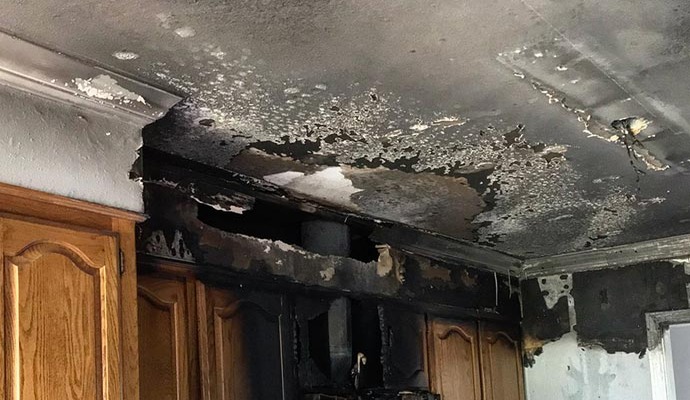
Smoke damage is more than soot on walls. When materials burn, they release microscopic particles that can penetrate porous surfaces, hide in HVAC systems, and attach to structural materials.
In North Miami’s coastal environment, smoke interacts differently than in inland homes:
- Humidity: Water vapor in the air allows soot and smoke particles to stick more aggressively to walls, ceilings, and fabrics.
- Salt Air: Salt accelerates corrosion and can cause smoke residues to chemically react with metals and certain finishes.
- Wind: Coastal breezes can drive smoke deeper into attics, mechanical closets, and ventilation shafts, spreading contaminants beyond the immediate fire area.
These factors mean that even a small fire can require extensive cleanup to prevent recurring odor, staining, and structural degradation.
Why Coastal Weather Matters in Smoke Damage Cleanup
1. High Humidity
North Miami consistently experiences high humidity levels, often exceeding 70% during the summer months. High humidity exacerbates smoke damage in several ways:
- Residue Adhesion: Moist air allows soot to cling to surfaces more tenaciously, making it harder to clean.
- Odor Persistence: Smoke molecules bind to moisture in walls, carpets, and fabrics, creating lingering odors.
- Secondary Moisture Damage: Smoke particles can absorb moisture from the air, further staining walls, ceilings, and furniture.
This combination often necessitates specialized cleaning agents and techniques to fully neutralize smoke residue.
2. Salt-Air Exposure
Bayfront properties are constantly exposed to salt carried inland by coastal breezes. Salt has a corrosive effect when it combines with smoke residue:
- Metal Corrosion: Door hardware, window frames, and HVAC components can deteriorate faster.
- Surface Staining: Salt accelerates chemical reactions on painted surfaces and wood finishes, causing discoloration.
- Electrical Risks: Salt in combination with smoke residue can increase conductivity and corrosion in wiring systems.
In North Miami, addressing these effects requires both thorough cleaning and preventive measures to protect metal surfaces after smoke damage cleanup.
3. Wind and Ventilation Patterns
Coastal wind can drive smoke particles into areas that might otherwise remain unaffected:
- Attics and Crawlspaces: Smoke may enter through roof vents or eaves and deposit residue in hidden cavities.
- HVAC Ductwork: Strong winds can push smoke through vents, causing contamination far from the fire source.
- Balconies and Open Windows: In high-rise bayfront homes, wind can funnel smoke from neighboring units into living spaces.
Understanding wind patterns is crucial for targeted smoke remediation, particularly in properties with open layouts or central ventilation systems.
Common Sources of Smoke in Bayfront Homes
Smoke damage in North Miami bayfront homes often originates from:
- Kitchen Fires: Cooking accidents in open-concept layouts quickly spread smoke.
- Electrical Malfunctions: Corrosion from salt air increases the risk of short circuits and small electrical fires.
- Outdoor Incidents: Improper grilling or balcony smoking incidents can drive smoke inside.
- HVAC Equipment Malfunctions: Overheated motors or electrical components release smoke directly into ductwork.
Even minor events can create significant challenges due to the coastal environment.
Early Signs That Smoke Damage Is Present
Homeowners may notice smoke damage before it becomes severe:
- Lingering smoky or burnt odors
- Yellowing or staining on ceilings and walls
- Soot near air vents or light fixtures
- Discoloration or corrosion on metal surfaces
- Persistent odor whenever the AC system operates
In North Miami’s humid and salt-rich climate, these signs often indicate deeper contamination that requires professional intervention.
Hidden Areas Most Affected
Smoke rarely remains confined to visible surfaces. In bayfront homes, it often infiltrates:
- HVAC systems and ductwork
- Interior wall cavities
- Ceiling voids and attics
- Closets and cabinets
- Electrical outlets and utility chases
Humidity and salt air allow particles to penetrate porous materials, making professional cleanup necessary to prevent long-term issues.
Why DIY Cleanup Is Often Insufficient
Homeowners may attempt to clean smoke damage with household cleaners, but DIY methods rarely address underlying problems:
- Surface-only Cleaning: Wiping may spread soot or push it deeper into surfaces.
- Odor Persistence: Smoke molecules trapped in fibers, insulation, or drywall continue emitting odor.
- HVAC Contamination Ignored: Ductwork may continue circulating soot and odors if not professionally cleaned.
- Humidity Effects: Improper cleaning can reactivate smoke particles, causing them to bond further.
Professional smoke remediation uses specialized methods to clean, deodorize, and protect coastal properties effectively.
Professional Smoke Damage Cleanup in Coastal Properties
A comprehensive approach to smoke damage cleanup in bayfront homes includes:
1. Air Filtration
HEPA air scrubbers capture airborne soot, preventing redistribution throughout the property.
2. Surface Cleaning
Specialized cleaners neutralize acidic smoke residues on walls, ceilings, cabinets, and furnishings.
3. HVAC and Duct Cleaning
Air handlers and ductwork are cleaned thoroughly to remove soot and prevent odor circulation.
4. Odor Neutralization
Advanced deodorization targets embedded odor molecules in carpets, fabrics, and porous materials.
5. Material Replacement
Severely contaminated materials, such as insulation, carpet padding, or portions of drywall, may require replacement.
6. Moisture Control
Dehumidifiers and controlled drying prevent smoke particles from reacting with the coastal humidity and salt air.
When Coastal Fires Combine With Water Damage
Many bayfront homes have sprinkler systems or fire suppression measures. Water can complicate smoke damage cleanup by:
- Trapping soot into drywall, subflooring, and insulation
- Increasing lingering odor
- Raising the risk of mold growth in the already humid environment
In these cases, smoke remediation must be combined with moisture management for effective results.
Long-Term Prevention Strategies
Homeowners and property managers can take proactive measures to prevent smoke-related issues:
- Maintain electrical systems to reduce fire risk from corrosion
- Service HVAC systems regularly to ensure clean ductwork and filters
- Test smoke detectors frequently and place them strategically
- Use kitchen ventilation to reduce smoke spread
- Monitor for small incidents before they escalate
- Implement regular duct cleaning, especially in high-rise or bayfront properties
Preventive strategies protect indoor air quality and long-term property value.
The Importance of Local Expertise
Smoke behaves differently in coastal North Miami compared to inland areas. Professionals with local experience understand:
- Humidity and wind influence on smoke spread
- Salt-air effects on metals and finishes
- Ventilation patterns in high-rise and bayfront homes
- Material sensitivity in waterfront properties
Tip Top Water and Fire Damage Restoration has extensive experience in North Miami, Sunny Isles Beach, Bal Harbour, and nearby communities, ensuring smoke damage cleanup is thorough, effective, and tailored to the coastal environment.
A Calm, Practical Approach to Coastal Smoke Damage
Smoke damage in bayfront homes can feel overwhelming, but a structured, professional approach minimizes long-term issues. Key steps include:
- Early detection of visible and hidden smoke
- Comprehensive cleaning and deodorization
- HVAC inspection and ductwork cleaning
- Moisture control to prevent residue bonding
- Preventive measures to reduce future risks
In North Miami waterfront properties, effective smoke damage cleanup preserves structural integrity, protects indoor air quality, and safeguards property value, ensuring coastal living remains enjoyable and worry-free.