Mold Removal in Miami Shores During Humid Summer Months: What to Watch For
Miami Shores, a picturesque community in North Miami, is known for its tree-lined streets, historic homes, and proximity to Biscayne Bay. While this coastal neighborhood offers a desirable lifestyle, it also presents unique environmental challenges — particularly when it comes to mold. During the humid summer months, conditions in Miami Shores become ideal for mold growth, making timely detection and proper removal essential for homeowners, landlords, and property managers.
Mold is more than a cosmetic problem; it can compromise structural integrity, damage personal property, and affect indoor air quality. In Miami Shores, high temperatures combined with near-constant humidity create environments where mold can grow rapidly, even in spaces that seem dry to the touch. Understanding what to watch for, why professional removal is necessary, and how to prevent recurrence is key to maintaining a safe, healthy, and well-maintained home.
Why Humid Summers Exacerbate Mold in Miami Shores
The summer months in Miami Shores are characterized by high heat, frequent thunderstorms, and elevated humidity levels often exceeding 70%. These environmental factors influence mold growth in several ways:
- Moisture Retention: Humid air allows porous materials like drywall, wood, and carpet padding to absorb moisture, creating fertile grounds for mold spores.
- Rapid Growth: Mold spores can begin colonizing damp areas within 24–48 hours, making early detection critical.
- Hidden Moisture: Even when homes appear dry, trapped condensation in wall cavities, attics, or under flooring can support mold development.
Because of these factors, summer in Miami Shores is a peak period for mold issues, and timely intervention is essential to prevent more extensive damage.
Common Sources of Mold During Summer
Several factors contribute to mold outbreaks in Miami Shores homes:
1. AC System Condensation
Air conditioning units work overtime during the summer to cool indoor air. If condensate lines are clogged or drip pans malfunction, moisture can accumulate around the system or leak into surrounding walls and flooring.
2. Roof and Window Leaks
Heavy summer storms can drive water into older roofs, flashing, and window seals. Even minor leaks allow water to penetrate interiors, particularly in older homes with aging materials.
3. Plumbing Issues
Water heaters, pipes, and appliances like washing machines are more likely to experience failures during periods of increased use. Leaks from these sources can saturate flooring, cabinetry, and wall cavities.
4. High Humidity Indoors
Miami Shores homes often seal tightly to maintain air conditioning efficiency. Without proper ventilation, high indoor humidity levels encourage mold colonization on ceilings, walls, and floors.
5. Flooding and Stormwater Intrusion
Proximity to Biscayne Bay and local canals means that even short bursts of heavy rain can lead to localized flooding. Water intrusion, even if minor, can lead to mold growth in attics, basements, or under flooring.
Early Signs of Mold in Miami Shores Homes
Detecting mold early is critical during humid summer months. Homeowners should watch for:
- Musty Odors: Persistent, damp, or earthy smells often indicate hidden mold.
- Discoloration: Yellow, brown, or black spots on walls, ceilings, or baseboards can signal fungal growth.
- Warping or Bubbling: Moisture can cause wood or drywall to warp, creating conditions conducive to mold.
- Health Symptoms: Sneezing, coughing, or allergic reactions that worsen indoors may indicate the presence of mold spores.
- Visible Spores in HVAC Systems: Mold can colonize air ducts, spreading spores throughout the home.
Even minor signs should prompt immediate inspection, particularly in high-humidity summer conditions where mold spreads quickly.
Why Professional Mold Removal Is Necessary
While small patches of mold may seem manageable, DIY removal often fails to address underlying issues. Professional mold removal ensures:
- Identification of Hidden Growth: Mold often develops behind walls, under flooring, or in crawlspaces and attics.
- Proper Containment: Professionals prevent spores from spreading during removal.
- Safe Cleaning and Sanitization: Specialized equipment and antimicrobial solutions remove mold without damaging materials or compromising indoor air quality.
- Moisture Control: Experts identify moisture sources to prevent recurrence.
In Miami Shores’ humid climate, professional intervention minimizes the risk of mold returning and ensures the home remains safe and structurally sound.
The Mold Removal Process
Professional mold removal typically involves several steps:
1. Inspection and Assessment
- Identify visible and hidden mold
- Determine moisture sources
- Classify the extent and severity of contamination
2. Containment
- Use of barriers and negative air pressure to prevent spore spread
- Sealing off affected areas from the rest of the home
3. Removal and Cleaning
- Surface cleaning using HEPA vacuums and antimicrobial solutions
- Removal of severely damaged materials such as drywall, insulation, or carpeting
- Treatment of wood, metal, and other structural materials to prevent regrowth
4. Drying and Dehumidification
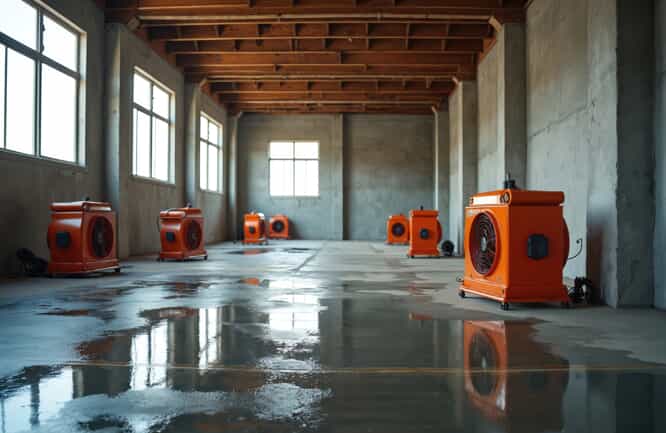
- Industrial air movers and dehumidifiers reduce moisture levels in walls, floors, and subflooring
- Continuous monitoring with moisture meters ensures thorough drying
5. HVAC Inspection
- Air ducts and vents are cleaned to remove spores
- Filters are replaced to prevent spore recirculation
6. Post-Removal Verification
- Professionals conduct final inspections and may perform air quality testing
- Ensures mold levels are within safe limits before reoccupation
Preventive Measures During Humid Months
Preventing mold in Miami Shores requires proactive steps, particularly in summer:
- AC Maintenance: Regular inspection of condensate lines, drip pans, and coils prevents leaks.
- Dehumidifiers: Keeping indoor humidity between 40–55% reduces mold growth potential.
- Roof and Window Checks: Sealing leaks and maintaining flashing helps prevent water intrusion during storms.
- Plumbing Maintenance: Regular checks for leaks, corrosion, or appliance malfunctions minimize hidden water sources.
- Proper Ventilation: Exhaust fans in bathrooms and kitchens remove excess moisture.
- Moisture Monitoring: Professional inspections and moisture meters detect hidden damp areas before mold establishes.
Implementing these measures helps reduce the likelihood of mold outbreaks and preserves both structural integrity and indoor air quality.
Challenges Unique to Miami Shores
Several factors make mold removal particularly challenging in this community:
- Older Homes: Many homes were built decades ago, with aging plumbing, roofs, and foundations that allow hidden water intrusion.
- High Humidity: Even after visible drying, moisture can linger in walls and subflooring.
- Salt Air Exposure: Coastal salt can accelerate corrosion and material degradation, complicating mold remediation.
- Complex Layouts: Open floor plans, attics, and crawlspaces can allow mold to spread quickly without proper containment.
Local expertise is essential to address these challenges efficiently and prevent future problems.
Why Local Experience Matters
Mold remediation in coastal North Miami requires knowledge of local environmental conditions. Professionals familiar with Miami Shores understand:
- Seasonal humidity patterns and their impact on mold growth
- How salt-laden air affects building materials and finishes
- Common hidden areas in slab foundations, attics, and duct systems
- Techniques and materials best suited for long-term protection
Tip Top Water and Fire Damage Restoration has extensive experience with Miami Shores homes, providing mold removal services that are both effective and adapted to local conditions.
Conclusion
Mold growth during humid summer months in Miami Shores is a serious concern that can affect structural integrity, property value, and indoor air quality. The combination of high humidity, water intrusion, and salt-laden air creates conditions where mold can develop rapidly and remain hidden.
Homeowners, landlords, and property managers should watch for early signs, understand the risks, and engage professional mold removal services. Preventive measures such as AC maintenance, moisture monitoring, ventilation improvements, and timely inspections further reduce the likelihood of mold outbreaks.
By taking proactive steps, residents in Miami Shores can protect their bayfront homes from mold, safeguard indoor air quality, and maintain a safe and comfortable living environment, even during the most humid summer months.