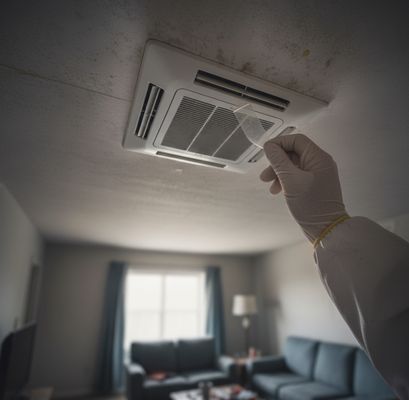
Why Mold Testing Becomes Necessary in Bal Harbour from AC Condensation Problems
Bal Harbour, a luxurious coastal community in North Miami, is known for its high-rise condos, waterfront estates, and upscale residential living. While the tropical setting and ocean breezes make it a highly desirable area, the coastal climate presents unique challenges for homeowners and property managers — particularly when it comes to moisture management and mold prevention. One of the most common and often overlooked sources of indoor moisture is air conditioning (AC) condensation.
Mold growth in Bal Harbour is not just an aesthetic issue. It can compromise building materials, affect indoor air quality, and potentially lead to expensive repairs if left unchecked. AC systems, which are used almost continuously in coastal Florida to combat heat and humidity, can create hidden moisture problems that foster mold growth. Mold testing becomes essential in these cases to identify contamination early, assess the severity, and prevent structural or health-related consequences.
Understanding the Link Between AC Condensation and Mold
Air conditioners operate by removing heat and moisture from indoor air. While this process keeps living spaces cool and comfortable, it also produces condensation. In properly maintained systems, this water is safely drained away. However, when components such as condensate lines, drip pans, or coils malfunction, moisture can accumulate and create an ideal environment for mold growth.
In Bal Harbour, the high humidity levels — often exceeding 70% during the summer months — exacerbate these issues. Even small amounts of standing water from AC condensation can saturate walls, ceilings, floors, or ductwork over time, creating hidden reservoirs of moisture that promote fungal growth.
Common AC-Related Moisture Problems in Bal Harbour
Several factors make AC systems a frequent source of mold problems in Bal Harbour homes:
1. Clogged Condensate Lines
Over time, AC condensate lines can become blocked with dirt, debris, or algae. When this happens, water backs up into drip pans or nearby building materials, providing a constant source of moisture for mold spores.
2. Malfunctioning Drip Pans
Drip pans are designed to catch and funnel condensation away from the unit. Cracks, rust, or improper leveling can cause water to overflow, seeping into ceilings, walls, or flooring.
3. Poorly Maintained Coils
Dirty or corroded evaporator coils may not drain properly, leading to condensation accumulation and increased humidity around the unit. This hidden moisture is often a primary site for mold colonization.
4. Ductwork Moisture
AC systems distribute conditioned air through ductwork. Condensation can form inside ducts, particularly when cold air meets warm, humid conditions. Moisture in ducts allows mold to spread through airflow, affecting multiple rooms simultaneously.
5. Continuous AC Operation
High temperatures and constant humidity in Bal Harbour necessitate near-constant AC use. Continuous operation increases the likelihood of condensation issues developing unnoticed, especially in high-rise condos where access to units and ducts may be limited.
Early Signs of Mold Caused by AC Condensation
Mold from AC condensation may remain hidden until it has grown extensively. Homeowners should watch for the following indicators:
- Musty or damp odors: Persistent smells often indicate hidden fungal growth.
- Discoloration or staining: Yellow, brown, or black spots may appear around vents, ceilings, or walls near the AC system.
- Allergy or respiratory symptoms: Sneezing, coughing, or irritation that worsens indoors may suggest airborne mold spores.
- Visible mold in ductwork or drip pans: Inspection can reveal small colonies before they spread.
- Water stains or sagging ceilings: Condensation leaking from AC systems can damage building materials.
Recognizing these signs early can prevent widespread contamination and minimize restoration costs.
Why Mold Testing Is Essential
Even if visible signs are minimal, mold testing becomes necessary when AC condensation issues are suspected. Professional testing provides:
- Identification: Determines the type of mold present, which can influence remediation strategies.
- Extent Assessment: Reveals hidden contamination in ductwork, wall cavities, or ceilings.
- Air Quality Evaluation: Measures spore counts in indoor air, providing a clear picture of exposure risks.
- Verification: Confirms the effectiveness of remediation efforts and AC system repairs.
Without testing, mold growth can go unnoticed, leading to structural damage, persistent odors, and health risks for residents.
How Coastal Climate Impacts AC-Related Mold
Bal Harbour’s coastal climate introduces additional complexities for mold growth associated with AC systems:
- High Humidity: Moisture removed from the air by the AC can accumulate if drainage is impaired. Humid conditions also allow mold spores to thrive on walls, ceilings, and duct surfaces.
- Salt Air Exposure: Salt-laden breezes accelerate corrosion on AC coils, drip pans, and metal ducts. Corroded surfaces create crevices where moisture collects and mold grows.
- Storm-Driven Moisture: Heavy summer rains may increase indoor humidity, particularly in older buildings or units with compromised insulation.
These factors make proactive mold testing crucial for identifying early contamination before it spreads extensively.
Professional Mold Testing Process
Professional mold inspection and testing in Bal Harbour homes typically involve several key steps:
1. Visual Inspection
Technicians examine accessible areas for signs of water damage, staining, or mold growth near AC units, vents, and ductwork.
2. Moisture Detection
Using tools like moisture meters and infrared cameras, inspectors locate hidden damp spots behind walls, under flooring, or inside duct systems.
3. Air Sampling
Airborne spore counts are measured throughout the home to detect hidden contamination and identify the types of mold present.
4. Surface Sampling
Swab or tape samples may be taken from suspected surfaces, including drip pans, vents, or wall cavities, for laboratory analysis.
5. Reporting and Recommendations
Laboratory results confirm the presence, type, and concentration of mold. This information guides the remediation process and highlights preventive measures, particularly concerning AC system maintenance.
Risks of Ignoring AC-Related Mold
Neglecting mold that stems from AC condensation can result in:
- Structural Damage: Mold degrades drywall, insulation, and wooden framing.
- Persistent Odors: Airborne spores from hidden colonies can create musty smells throughout the home.
- Health Concerns: Mold spores can trigger allergies, asthma, and other respiratory issues.
- Widespread Contamination: Moisture in ducts allows mold to spread to multiple rooms rapidly.
- Higher Costs: Delayed detection often results in more extensive remediation and repair expenses.
In Bal Harbour, where high-rise units and luxury finishes are common, early testing and remediation prevent expensive restoration projects.
Preventive Measures to Reduce AC-Related Mold
Homeowners and property managers can implement preventive strategies to minimize mold risk:
- Regular AC Maintenance: Inspect and clean coils, drip pans, and condensate lines.
- Duct Cleaning: Periodic professional duct cleaning removes dust and spores, reducing growth opportunities.
- Monitor Indoor Humidity: Keep humidity below 55% using dehumidifiers or HVAC adjustments.
- Seal Leaks: Ensure ductwork and AC components are properly sealed to prevent moisture accumulation.
- Inspect After Storms: Check AC units, vents, and surrounding areas for leaks or water buildup.
These steps reduce the likelihood of mold development and maintain both indoor air quality and system efficiency.
Why Local Expertise Matters
Mold behavior in Bal Harbour differs from inland areas. Professionals with local experience understand:
- The impact of high humidity and coastal air on AC systems and building materials
- Common hidden areas in high-rise condos and bayfront homes where mold thrives
- How to safely remove contamination while minimizing disruption to occupants
- Preventive strategies specific to tropical climates and coastal construction
Tip Top Water and Fire Damage Restoration has extensive experience with Bal Harbour homes, ensuring mold testing and remediation are accurate, thorough, and tailored to local conditions.
Long-Term Benefits of Mold Testing
Regular mold testing for AC-related issues offers homeowners multiple benefits:
- Early Detection: Identifies contamination before it causes structural damage.
- Peace of Mind: Confirms indoor air quality and safety for residents.
- Cost Savings: Prevents expensive remediation by addressing mold early.
- Verification of Remediation: Confirms that previous water or mold issues have been properly resolved.
For Bal Harbour residents, mold testing is not a luxury — it is an essential component of responsible home maintenance.
Conclusion
AC condensation is a common and often hidden source of mold in Bal Harbour homes. High humidity, salt air, and continuous cooling operation create conditions where mold can develop quickly, sometimes before homeowners notice any visible signs. Mold testing is essential for detecting hidden contamination, assessing severity, and guiding effective remediation strategies.
Proactive preventive measures, such as regular AC maintenance, duct cleaning, moisture monitoring, and humidity control, help reduce the likelihood of mold growth. Local expertise ensures that testing and remediation are tailored to the unique environmental and structural conditions of coastal Bal Harbour properties.
By understanding the connection between AC condensation and mold, homeowners can protect their property, preserve indoor air quality, and maintain the integrity and value of their waterfront investment.