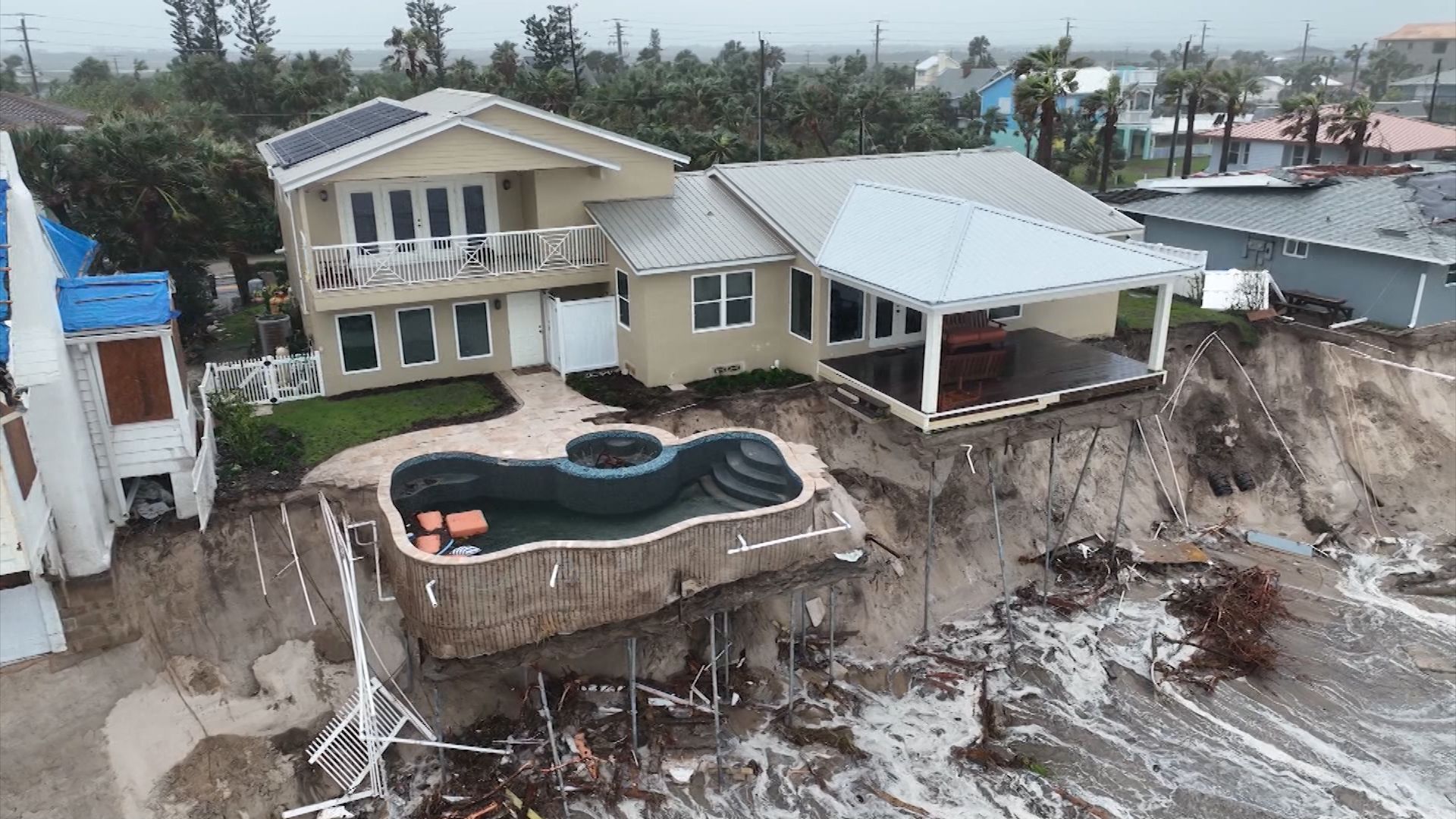
Long-Term Protection Tips Related to Water Removal in Coastal Neighborhoods near Biscayne Bay
Homes along Biscayne Bay, including neighborhoods in North Miami, Miami Shores, Surfside, Bal Harbour, Sunny Isles Beach, and North Miami Beach, enjoy stunning waterfront views and unique coastal living. However, the proximity to the water comes with challenges, particularly the increased risk of flooding, stormwater intrusion, and water-related property damage. Proper water removal after leaks, heavy rain, or minor flooding is critical—but equally important is implementing long-term protection strategies to prevent future problems.
In these coastal communities, even minor water intrusion can compromise structural integrity, flooring, insulation, and indoor air quality. Understanding the risks, signs, and preventive strategies helps homeowners maintain the safety, comfort, and value of their properties.
Why Water Removal Is Essential
Water removal is the process of extracting standing or trapped water after an intrusion, leak, or flooding event. It is the first step in protecting homes from further damage, including:
- Structural weakening: Prolonged moisture exposure can damage wooden framing, drywall, and subfloors.
- Mold growth: Moist conditions allow mold to develop quickly, impacting both air quality and property materials.
- Electrical hazards: Water can compromise wiring, outlets, and appliances, posing safety risks.
- Damage to personal belongings: Furniture, carpets, electronics, and fabrics may be permanently affected.
Professional water removal goes beyond simple drying; it ensures that hidden moisture in wall cavities, crawl spaces, subfloors, and ductwork is addressed.
Common Causes of Water Intrusion near Biscayne Bay
Water intrusion is common in coastal neighborhoods due to a combination of environmental and structural factors:
- Heavy rainfall and storms: Intense seasonal storms can overwhelm drainage systems and seep into homes.
- Flooding from the bay or nearby canals: Rising water levels can enter properties, especially those at or below sea level.
- AC condensation issues: Air conditioning units produce condensation that can leak if drip lines or pans are blocked.
- Plumbing failures: Slow leaks, burst pipes, or faulty fixtures can saturate floors, walls, and ceilings.
- Roof, window, and door leaks: Aging seals and materials allow rainwater to penetrate interiors.
Understanding these causes allows homeowners to implement preventive measures and reduce the likelihood of repeated water intrusion.
Common Signs Homeowners Should Watch For
Even minor water events can cause damage that isn’t immediately obvious. Homeowners should look for:
- Standing water or damp spots on floors or carpeting
- Bubbling, peeling, or discolored paint or wallpaper
- Musty odors indicating hidden moisture or mold growth
- Warped or softened flooring, especially wood or laminate
- Reduced AC efficiency or unusual odors from HVAC vents
- Water stains along baseboards, ceilings, or walls
Early recognition and professional intervention can minimize long-term damage and restoration costs.
Hidden or Overlooked Water Damage Sources
Water intrusion often occurs in areas that homeowners may not notice:
- Crawl spaces and subfloors: Moisture accumulation under homes can lead to mold, wood rot, and structural compromise.
- Attics and roof cavities: Leaks may go undetected behind insulation or ceiling panels.
- HVAC systems and ductwork: Moisture can travel through ducts, spreading contaminants and odors throughout the home.
- Behind walls and cabinetry: Plumbing leaks or condensation can saturate wall cavities and cabinet bases.
- Exterior penetrations: Poorly sealed windows, doors, and balcony connections allow wind-driven rain inside.
Professional water removal addresses these hidden areas, ensuring the home is thoroughly dried and ready for restoration.
Risks of Delaying Water Removal
Waiting to remove water after a leak or flood can result in:
- Mold and mildew growth: Mold can appear within 24–48 hours, affecting both materials and air quality.
- Structural deterioration: Prolonged moisture weakens wood, drywall, and flooring.
- Persistent odors: Musty smells may become embedded in carpets, walls, and furniture.
- Increased repair costs: The longer water sits, the more extensive restoration becomes.
- Health hazards: Standing water can harbor bacteria, allergens, and other contaminants.
Prompt professional intervention reduces these risks and helps maintain a safe, healthy home environment.
Why DIY Water Cleanup Often Fails
Homeowners may attempt water removal using towels, mops, or small home-grade wet/dry vacuums. While this can handle surface water, it rarely addresses all moisture:
- Hidden water in subfloors, wall cavities, and insulation often persists
- DIY equipment lacks the capacity to extract water thoroughly
- Inadequate drying can lead to mold growth and warping of materials
- Sanitization and prevention of microbial growth are frequently overlooked
Professional water removal ensures complete extraction, proper drying, and preparation for repair and restoration.
Long-Term Water Protection Tips
For homes along Biscayne Bay, implementing preventive measures is essential to minimize future water issues:
1. Maintain Roofs and Gutters
- Inspect roofs, flashing, and gutter systems regularly for damage or debris
- Ensure downspouts direct water away from foundations and low-lying areas
2. Monitor and Service AC Systems
- Clean and inspect condensate lines and drip pans to prevent leaks
- Maintain proper insulation around units and ductwork to avoid condensation buildup
3. Seal Windows, Doors, and Balconies
- Use high-quality caulking and weatherstripping to prevent water intrusion
- Inspect exterior joints and seams annually, particularly after storms
4. Inspect Plumbing Systems
- Check pipes, faucets, and water heaters for leaks or corrosion
- Repair issues promptly to prevent hidden water damage
5. Improve Ventilation and Drainage
- Use dehumidifiers in crawl spaces, attics, and basements
- Ensure proper air circulation to reduce trapped moisture
- Consider grading landscapes to direct water away from the home
6. Conduct Regular Inspections
- Schedule professional assessments after heavy rains or storms
- Monitor subfloors, crawl spaces, ductwork, and attic insulation for moisture accumulation
- Address any signs of water intrusion promptly to prevent escalation
Why Local Expertise Matters
Coastal neighborhoods near Biscayne Bay have unique challenges due to high humidity, storm surges, and proximity to waterways. Local water removal experts provide:
- Knowledge of how coastal conditions impact water intrusion and moisture retention
- Experience addressing hidden water sources in attics, crawl spaces, ductwork, and slab foundations
- Tailored strategies for nearby communities, including North Miami, Miami Shores, Surfside, Bal Harbour, Sunny Isles Beach, and North Miami Beach
- Expertise in combining water removal, drying, sanitization, and preventive measures for long-term protection
Tip Top Water and Fire Damage Restoration leverages local experience to ensure both immediate water removal and sustainable long-term protection for coastal homes.
Calm, Trust-Based Call to Action
Water intrusion is an ongoing concern for homes near Biscayne Bay, where heavy rains, flooding, and high humidity can compromise structural integrity and indoor air quality. Prompt water removal is essential to minimize damage, prevent mold growth, and preserve property value. By combining professional extraction and drying with preventive maintenance—such as AC inspection, roof and gutter upkeep, sealing exterior penetrations, and ventilation improvements—homeowners can protect their homes from future water damage. Partnering with a trusted local company ensures effective, reliable solutions tailored to the unique challenges of coastal Florida living.