A Property Owner’s Guide to Mold Testing in Bal Harbour
Bal Harbour, along with neighboring communities like Sunny Isles Beach, North Miami Beach, Aventura, Miami Shores, Surfside, North Miami, and Biscayne Park, is renowned for its luxury waterfront properties and elegant coastal living. However, the tropical climate, high humidity, and proximity to the ocean make homes in this area especially vulnerable to mold growth. Mold can develop in hidden spaces such as attics, crawl spaces, air ducts, and wall cavities, potentially affecting indoor air quality and structural integrity.
For property owners in Bal Harbour, understanding mold testing is crucial. Early detection ensures that any infestation is addressed promptly, reducing damage and preventing recurring problems. This guide provides a comprehensive overview of mold testing, what to watch for, and long-term strategies for protecting your home.
What Mold Testing Involves
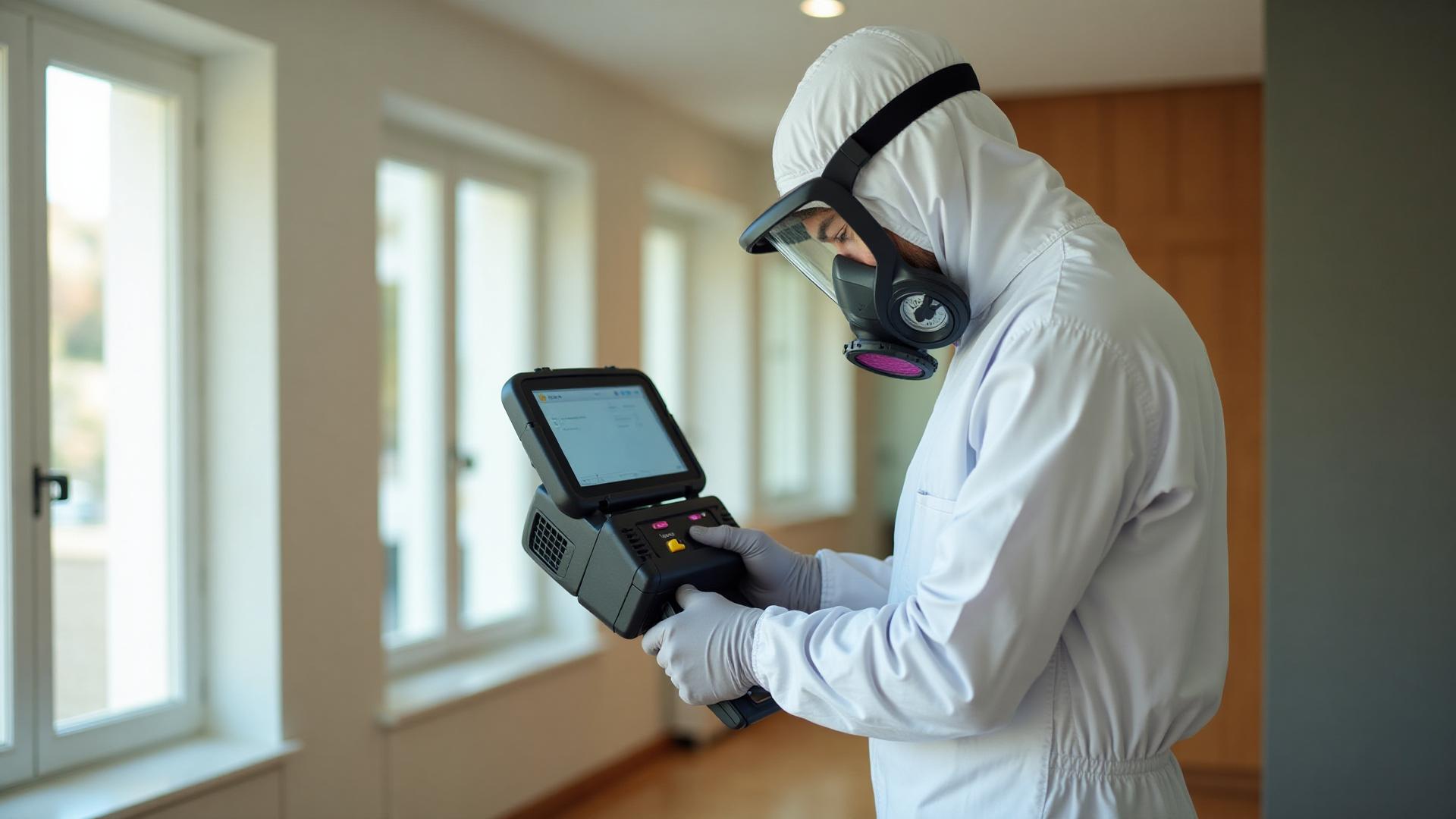
Mold testing is a diagnostic process used to determine the presence, type, and concentration of mold spores in a home. While mold spores exist naturally in the environment, high concentrations indoors or the presence of specific harmful strains can indicate a problem.
Professional mold testing typically includes:
- Visual inspection: Identifying areas of visible mold growth, moisture accumulation, and potential water intrusion.
- Moisture measurement: Using hygrometers, thermal cameras, and moisture meters to detect damp areas that could harbor mold.
- Air sampling: Collecting indoor air samples to analyze for mold spores and allergens.
- Surface sampling: Swabbing walls, floors, or HVAC components to identify mold types.
- Lab analysis: Determining species, concentration, and potential health risks associated with the mold.
These methods provide property owners with a clear understanding of the problem and guide remediation strategies.
Why Mold Testing Is Essential in Bal Harbour
Homes in Bal Harbour face unique environmental factors that increase mold risk:
- High humidity: Coastal humidity often exceeds 70%, promoting mold growth on surfaces and within materials.
- Stormwater intrusion: Seasonal heavy rains can lead to roof, balcony, or plumbing leaks.
- AC condensation: Air conditioning systems produce moisture that can infiltrate walls, floors, and ductwork.
- Flooding risks: Waterfront properties may experience minor flooding, leading to hidden water accumulation.
Mold testing allows property owners to detect problems early, before they become widespread or cause costly damage. It also helps homeowners prioritize remediation efforts and protect indoor air quality.
Common Signs That Mold May Be Present
Even before formal testing, property owners should be aware of subtle early warning signs:
- Musty odors: A persistent, damp smell often indicates hidden mold growth.
- Discoloration: Small black, green, or white spots on walls, ceilings, or baseboards.
- Water stains or condensation: Evidence of leaks or trapped moisture in walls, ceilings, or floors.
- Warped or soft flooring: Moisture can cause subfloors or hardwood to deform.
- Allergic reactions: Sneezing, coughing, or irritation concentrated in certain areas may indicate airborne spores.
Recognizing these signs early can guide homeowners to schedule mold testing before problems escalate.
Hidden Sources of Mold in Bal Harbour Homes
Mold often develops in places that are not easily visible:
- Attics and crawl spaces: Poor ventilation can trap humidity, causing mold on insulation and wooden beams.
- Air ducts and HVAC systems: Moisture in ductwork can promote microbial growth and circulate spores.
- Behind walls or cabinets: Plumbing leaks or condensation can saturate hidden cavities.
- Under carpets and flooring: Moisture from spills, flooding, or leaks can remain trapped for weeks.
- Balconies and exterior penetrations: Rainwater intrusion through small gaps can affect interior walls and ceilings.
Professional mold testing identifies these hidden sources, providing a comprehensive view of the problem.
Why DIY Mold Testing Is Often Inadequate
While over-the-counter mold test kits are available, they have significant limitations:
- They may not detect hidden mold behind walls, under floors, or in HVAC systems.
- They often fail to differentiate between mold species, which can influence remediation strategies.
- Lab results may be inconclusive or lack context regarding moisture conditions.
- DIY methods do not address moisture sources that fuel mold growth.
Professional mold testing ensures accurate identification, appropriate remediation planning, and long-term protection.
Professional Mold Testing Process
A certified mold inspector in Bal Harbour typically follows a structured process:
- Initial Assessment: Evaluate the property for visible mold, water damage, and moisture-prone areas.
- Measurement of Moisture: Use specialized tools to detect elevated moisture in walls, floors, ceilings, and HVAC systems.
- Sampling: Collect air or surface samples from key areas, including hidden spaces and potential water intrusion points.
- Laboratory Analysis: Identify mold species and spore concentration to guide remediation decisions.
- Reporting: Provide a detailed report with findings, photos, and recommendations for remediation and prevention.
This thorough approach ensures homeowners understand the full scope of mold risk and can take informed action.
Long-Term Mold Prevention After Testing
Once mold testing is completed and any necessary remediation is performed, Bal Harbour homeowners should adopt long-term strategies to prevent recurrence:
- Control indoor humidity: Use dehumidifiers and maintain indoor humidity between 30–50%.
- Maintain AC systems: Regular cleaning of condensate lines, drip pans, and air filters prevents moisture buildup.
- Repair leaks promptly: Inspect roofs, plumbing, windows, doors, and balcony edges for water entry points.
- Improve ventilation: Ensure adequate airflow in attics, crawl spaces, kitchens, and bathrooms.
- Inspect hidden areas: Periodically check ducts, subfloors, and wall cavities for moisture or discoloration.
- Routine professional inspections: Schedule annual mold and moisture assessments to catch problems early.
By combining testing with these preventive measures, homeowners can protect their investment and maintain a healthy, comfortable living environment.
Why Local Expertise Matters
Bal Harbour homes face distinct coastal conditions—high humidity, salt-laden air, and occasional stormwater intrusion—that influence mold growth patterns. Local experts offer:
- Knowledge of common moisture and mold issues specific to Florida’s coastal properties
- Experience with slab foundations, attics, crawl spaces, and duct systems prone to hidden mold
- Tailored preventive and remediation strategies for nearby neighborhoods including Sunny Isles Beach, North Miami Beach, Aventura, Miami Shores, Surfside, and Biscayne Park
- Hands-on assessment of subtle early clues that property owners often miss
Tip Top Water and Fire Damage Restoration provides professional mold testing and remediation with a focus on long-term protection tailored to the unique challenges of Bal Harbour homes.
Calm, Trust-Based Call to Action
Mold in Bal Harbour homes is often hidden, subtle, and easily overlooked. Professional mold testing provides property owners with an accurate understanding of indoor moisture and mold risks, allowing for targeted remediation and effective prevention. By combining expert testing with long-term maintenance strategies—such as humidity control, AC maintenance, leak repair, and ventilation improvements—homeowners can protect their properties, preserve indoor air quality, and reduce the likelihood of recurring mold issues. Working with a trusted local company ensures reliable solutions and peace of mind for waterfront living in Bal Harbour.