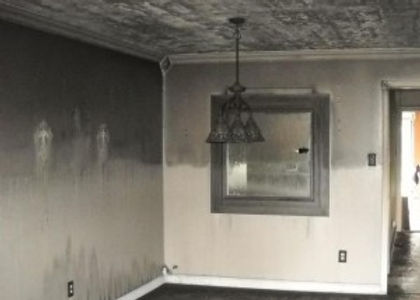
Explaining the Process of Smoke Damage Cleanup in Miami Shores
Miami Shores, a scenic coastal community in North Miami, is celebrated for its charming homes, tree-lined streets, and proximity to Biscayne Bay. While the area offers a serene lifestyle, coastal living also comes with unique environmental challenges, including the risk of fire and smoke damage. Smoke from residential fires, kitchen mishaps, or nearby incidents can infiltrate homes, leaving behind odors, soot, and potential health hazards. Addressing smoke damage promptly and effectively is essential for maintaining indoor air quality, preserving structural integrity, and preventing long-term property deterioration.
Smoke damage cleanup is not just about removing visible soot. It is a comprehensive process that targets odor, discoloration, contamination, and hidden residues within walls, ceilings, HVAC systems, and personal belongings. In Miami Shores, where coastal humidity and heat influence the behavior of smoke residues, understanding the cleanup process is crucial for homeowners, landlords, and property managers who want to restore their properties safely and efficiently.
Understanding Smoke Damage
Smoke damage occurs when combustion byproducts from fires, candles, or other burning sources penetrate surfaces and materials within a home. The severity of damage depends on:
- Fire intensity and duration: High-intensity fires produce more smoke and deeper soot penetration.
- Type of material burned: Plastics, treated wood, and synthetic materials leave behind more toxic residues than natural materials.
- Airflow and ventilation: In coastal homes, open windows and AC systems can spread smoke throughout a property.
Smoke particles are microscopic and can adhere to walls, ceilings, furniture, and HVAC ducts. Over time, these residues can stain surfaces, create unpleasant odors, and compromise indoor air quality.
Types of Smoke Damage in Miami Shores
Different sources of smoke result in varied damage patterns:
- Dry Smoke Damage: Produced by fast-burning fires, this type leaves fine, powdery soot that clings to surfaces. It can be abrasive and difficult to remove.
- Wet Smoke Damage: Resulting from slow, smoldering fires, wet smoke is sticky and greasy, often penetrating deeper into materials.
- Protein Smoke Damage: Common in kitchen fires, protein smoke leaves yellowish stains and persistent odors, particularly on walls, ceilings, and fabrics.
Understanding the type of smoke damage is essential for selecting the proper cleanup methods, products, and equipment.
Immediate Actions After Smoke Exposure
Prompt action minimizes long-term damage and improves restoration outcomes:
- Ensure Safety: Confirm that the property is structurally safe before entering. Fire-damaged homes may have weakened floors or ceilings.
- Ventilation: Open windows and doors to allow fresh air circulation, but avoid spreading soot to uncontaminated areas.
- Prevent Further Contamination: Avoid vacuuming or wiping soot without professional guidance, as this can embed particles deeper into surfaces.
- Document Damage: Take photos for insurance purposes and to guide professional cleanup efforts.
Early intervention helps prevent soot from becoming more difficult to remove and reduces the spread of odors throughout the home.
Comprehensive Smoke Damage Cleanup Process
Professional smoke damage restoration involves several structured steps to address visible and hidden contamination.
1. Inspection and Assessment
- Visual Inspection: Professionals evaluate affected areas, including walls, ceilings, flooring, and personal belongings.
- Smoke Pattern Analysis: Determining the type and source of smoke guides cleanup techniques.
- HVAC Assessment: Air ducts, vents, and AC units are checked for soot infiltration and odor accumulation.
- Moisture Evaluation: Coastal humidity and firefighting efforts can leave residual water, which is assessed to prevent mold growth.
2. Containment
- Contaminated areas are isolated using plastic sheeting and negative air pressure to prevent soot from spreading to unaffected spaces.
- HVAC systems may be temporarily shut down to limit airborne contamination.
3. Dry Cleaning
- Surfaces are gently brushed or vacuumed using specialized HEPA-filtered vacuums to remove loose soot without further embedding particles.
- Dry cleaning is typically used for surfaces affected by dry smoke.
4. Wet Cleaning
- Sticky residues from wet or protein smoke require chemical cleaning agents and controlled moisture to dissolve soot.
- Surfaces such as walls, cabinets, and furniture are cleaned with safe, professional-grade products.
5. Odor Neutralization
- Smoke odors can persist even after visible soot removal. Techniques include:
- Thermal Fogging: Penetrates porous surfaces to neutralize smoke particles.
- Ozone Treatment: Oxidizes odor-causing molecules.
- HEPA Air Scrubbing: Removes airborne particles that carry odor.
6. HVAC and Air Duct Cleaning
- Smoke particles often settle in ductwork, spreading odors and contaminants throughout the home.
- Professional duct cleaning ensures all vents, registers, and coils are free from soot and odor-causing residues.
7. Personal Belongings Restoration
- Fabrics, electronics, and furniture affected by smoke may require specialized cleaning or deodorization.
- Soft materials are treated with ozone or thermal fogging, while delicate items may undergo ultrasonic cleaning or other advanced restoration methods.
8. Post-Cleanup Verification
- Professionals conduct a final inspection to ensure all smoke residues and odors have been removed.
- Air quality testing may be performed to confirm that indoor air is safe and free from contaminants.
Challenges Unique to Miami Shores Homes
Several factors make smoke damage cleanup particularly challenging in Miami Shores:
- Coastal Humidity: High moisture levels allow smoke residues to penetrate deeper and adhere more firmly to surfaces.
- Salt Air Exposure: Salt can exacerbate corrosion on metal components, making soot removal more difficult.
- Older Homes and Luxury Finishes: Historic properties and high-end materials require careful handling to prevent additional damage.
- Open Layouts and AC Systems: In multi-story or open-concept homes, smoke spreads quickly through ventilation systems and across floors.
Addressing these challenges requires professional expertise and equipment tailored to coastal properties.
Health Considerations
Smoke residues can irritate the respiratory system and exacerbate allergies or asthma, especially for children, the elderly, and individuals with pre-existing conditions. Protein-based smoke and soot from synthetic materials may contain chemical compounds that pose additional risks. Professional cleanup not only removes visible damage but also reduces airborne particulates and eliminates lingering odors that could affect indoor air quality.
Preventive Measures to Minimize Future Smoke Damage
While accidents can happen, homeowners in Miami Shores can take steps to mitigate the impact of smoke damage:
- Install Smoke Detectors: Ensure they are functional and tested regularly.
- Maintain HVAC Systems: Regular inspections reduce the risk of smoke spreading through ductwork.
- Fire Safety Measures: Keep fire extinguishers accessible, and ensure kitchens and electrical systems are up to code.
- Regular Property Inspections: Early detection of minor fires or electrical issues prevents extensive smoke damage.
- Humidity Control: Dehumidifiers help minimize moisture accumulation, reducing the adhesion of smoke residues to surfaces.
Proactive measures enhance safety and simplify potential cleanup efforts.
Why Professional Restoration Matters
Attempting smoke cleanup without professional expertise can result in:
- Residual odors and stains that become permanent
- Spread of soot to uncontaminated areas
- Ineffective cleaning of HVAC systems, leading to poor indoor air quality
- Health risks from airborne particles
Professionals bring specialized knowledge, equipment, and cleaning agents to ensure comprehensive restoration while protecting both property and occupants. Local experience in Miami Shores ensures that environmental factors such as coastal humidity and salt air are considered throughout the process.
Long-Term Benefits of Proper Smoke Damage Cleanup
Proper restoration after smoke exposure provides multiple benefits:
- Improved Indoor Air Quality: Removes harmful particles and odors, promoting a healthy living environment.
- Preserved Structural Integrity: Prevents staining, corrosion, and long-term material degradation.
- Restored Comfort and Safety: Ensures that homes are livable and safe for residents.
- Protection of Personal Belongings: Professional techniques safeguard furniture, electronics, and fabrics from permanent damage.
- Peace of Mind: Residents can confidently return to a clean, restored home without lingering health or property concerns.
In Miami Shores, where coastal conditions complicate smoke residue removal, professional cleanup ensures long-term protection for both property and occupants.
Conclusion
Smoke damage in Miami Shores is a multifaceted issue influenced by fire intensity, material types, HVAC systems, and coastal environmental conditions. Cleanup is not merely a matter of surface cleaning; it involves a systematic process of inspection, containment, cleaning, odor neutralization, HVAC maintenance, and post-restoration verification.
High humidity, salt-laden air, and open ventilation systems increase the complexity of smoke remediation in coastal homes, making professional expertise essential. Preventive measures such as fire safety equipment, smoke detectors, AC maintenance, and humidity control complement cleanup efforts, reducing the risk of future incidents.
By understanding the process and challenges of smoke damage cleanup, homeowners, landlords, and property managers in Miami Shores can protect indoor air quality, preserve property value, and ensure the long-term safety and comfort of their coastal homes.