Why Black Mold Removal Becomes Necessary in Sunny Isles Beach After Heavy Rain
Sunny Isles Beach, along with nearby communities such as Bal Harbour, North Miami Beach, North Miami, Aventura, Miami Shores, Surfside, and Biscayne Park, is known for its oceanfront living, high-rise condos, and luxury homes. While waterfront living offers scenic beauty and a vibrant lifestyle, it also presents unique environmental challenges. One of the most significant concerns after heavy rain or tropical storms is the development of black mold in homes and condos.
Black mold, scientifically known as Stachybotrys chartarum, is a type of mold that thrives in moist, damp environments. Coastal weather, high humidity, and frequent rainfall in Sunny Isles Beach create ideal conditions for black mold growth. Homeowners, landlords, and property managers need to understand why black mold removal becomes necessary, how it develops, and what measures can prevent it from returning.
Understanding Black Mold
Black mold is a dark-colored fungus that grows in areas with excessive moisture. It often appears behind walls, under flooring, in attics, and inside HVAC ducts—areas that are typically hidden from view. After heavy rains, water intrusion from roofs, windows, balconies, or even minor leaks can create the damp environments black mold needs to thrive.
In addition to causing structural damage, black mold can negatively impact indoor air quality. While not all mold is harmful, black mold is particularly resilient and can spread quickly if moisture persists. Its presence is a clear sign that water or moisture problems in a property need to be addressed immediately.
Why Black Mold Develops After Heavy Rain
Several factors make Sunny Isles Beach homes susceptible to black mold growth following heavy rainfall:
1. Coastal Humidity
Humidity levels in Sunny Isles Beach remain high year-round, often exceeding 70%. High humidity combined with water intrusion from storms creates ideal conditions for black mold to colonize.
2. Water Intrusion
Heavy rains and tropical storms can penetrate homes through roofing, windows, doors, or even poorly sealed balconies. Once water enters, it may seep into walls, ceilings, or flooring, creating hidden pockets of dampness.
3. AC and HVAC Systems
Air conditioning units and ductwork can contribute to moisture problems. Condensation inside ducts, overflow from drip pans, or leaks from AC lines can provide a constant source of water for black mold growth.
4. Aging Construction Materials
Many Sunny Isles Beach properties, including older high-rises and historic homes, have materials such as drywall, wood framing, or insulation that absorb water easily, creating prime conditions for mold colonization.
5. Poor Ventilation
Bathrooms, kitchens, and attics in coastal homes often lack adequate ventilation, trapping moisture and providing ideal conditions for black mold to thrive.
Common Signs Homeowners Notice
Recognizing black mold early is crucial to preventing widespread damage. Homeowners should watch for the following signs after heavy rain:
- Musty odors: A persistent, earthy, or damp smell often indicates hidden mold.
- Discoloration: Black or dark green spots on walls, ceilings, floors, or behind baseboards.
- Warped or sagging materials: Moisture can cause drywall, wood, or flooring to warp, bubble, or sag.
- Visible water damage: Stains, peeling paint, or bubbling wallpaper may indicate mold growth behind surfaces.
- Increased allergy or respiratory symptoms: Sneezing, coughing, or congestion can signal airborne mold spores.
Even small or subtle signs should prompt immediate professional inspection, as black mold can spread quickly in damp conditions.
Hidden Sources of Black Mold
Black mold often develops in areas that are not immediately visible, making professional detection critical:
- Inside wall cavities: Water trapped behind drywall can go unnoticed until mold growth is extensive.
- Under flooring: Moisture beneath hardwood, laminate, or carpet padding is an ideal breeding ground for mold.
- Attics and crawl spaces: Poor ventilation and roof leaks create hidden damp zones.
- HVAC ducts: Mold can colonize inside ducts, spreading spores throughout the home.
- Around plumbing: Leaky pipes behind walls or under sinks can feed mold growth.
Professional inspections using moisture meters, thermal imaging, and visual assessments ensure hidden mold is located and treated effectively.
Why DIY Black Mold Removal Usually Fails
Many homeowners attempt to clean mold themselves using household cleaners or bleach. However, DIY methods are rarely effective for black mold:
- Hidden mold remains: Mold behind walls, under flooring, or in ducts cannot be reached with surface cleaning.
- Incomplete removal: Surface cleaning may reduce visible mold but leaves spores intact, allowing regrowth.
- Health risks: Black mold spores released during DIY cleaning can exacerbate respiratory issues.
- Structural damage continues: Moisture and mold remain in building materials, compromising structural integrity.
Professional black mold removal ensures thorough remediation, including moisture detection, containment, and proper treatment of affected materials.
Professional Black Mold Removal Process
For Sunny Isles Beach homes, black mold removal typically involves the following steps:
- Inspection and assessment: Identify the extent of mold growth and moisture sources.
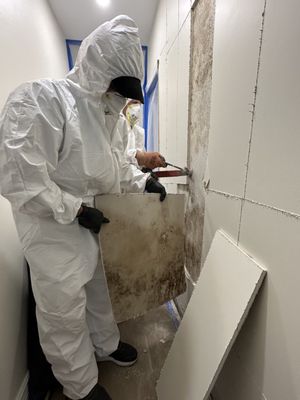
- Containment: Seal affected areas to prevent mold spores from spreading during remediation.
- Removal of affected materials: Safely remove drywall, insulation, or flooring that cannot be salvaged.
- Cleaning and treatment: Apply antimicrobial solutions to treat remaining surfaces and prevent regrowth.
- Moisture mitigation: Repair leaks, improve ventilation, and address AC or plumbing issues.
- Final inspection and clearance: Verify that all mold and moisture issues have been resolved.
This process not only removes black mold but also addresses the root causes, preventing recurrence after heavy rainfall.
Long-Term Preventive Measures
After professional black mold removal, homeowners can take steps to reduce future risks:
- Regular inspections: Check roofs, balconies, windows, and AC systems for leaks or condensation.
- Maintain AC systems: Clean drip pans, ducts, and condensation lines regularly.
- Control humidity: Use dehumidifiers and maintain indoor humidity between 30–50%.
- Improve ventilation: Ensure attics, bathrooms, and kitchens have adequate airflow.
- Prompt water repair: Address leaks and standing water immediately after storms.
- Use moisture-resistant materials: Mold-resistant drywall, insulation, and flooring reduce the likelihood of regrowth.
These strategies help protect waterfront properties from the recurring issues caused by black mold and coastal weather conditions.
Why Local Expertise Matters
Sunny Isles Beach homes face environmental challenges unique to coastal properties:
- Salt-laden air and high humidity accelerate mold growth.
- Heavy rainfall and tropical storms increase water intrusion risks.
- High-rise condos and waterfront construction require specialized mold remediation techniques.
- Hidden mold in HVAC systems, attics, walls, or flooring needs professional detection and treatment.
Tip Top Water and Fire Damage Restoration provides black mold removal, moisture detection, and water damage repair services specifically for Sunny Isles Beach and nearby neighborhoods including Bal Harbour, North Miami Beach, North Miami, Aventura, Miami Shores, Surfside, and Biscayne Park. Local experience ensures remediation is thorough, precise, and effective for waterfront properties.
Calm, Trust-Based Call to Action
Black mold in Sunny Isles Beach homes is more than an aesthetic concern—it can compromise structural integrity, indoor air quality, and long-term property value. After heavy rain, early detection and professional removal are essential to prevent the spread of mold and recurring water issues. By combining expert black mold removal with moisture detection, AC and plumbing maintenance, ventilation improvements, and long-term preventive measures, homeowners can protect their waterfront properties from ongoing mold problems. Local professionals ensure that every step is tailored to the unique coastal environment, providing peace of mind and lasting protection for residents.