Long-Term Protection Tips Related to Flood Restoration in Biscayne Park
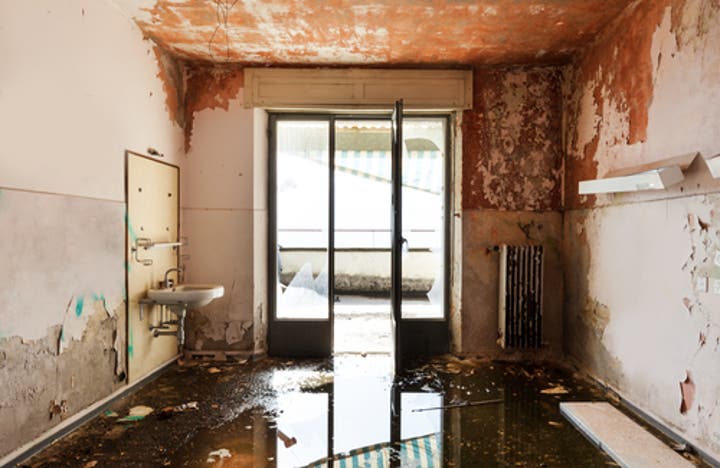
Biscayne Park, a charming and historic neighborhood in North Miami, is celebrated for its lush tree-lined streets, community atmosphere, and proximity to Biscayne Bay. While the area provides an idyllic lifestyle, it also comes with environmental challenges—particularly the risk of flooding. Heavy rainfall, tropical storms, high tides, and coastal water intrusion all contribute to the potential for water damage in residential properties. Flood restoration in Biscayne Park is not just about addressing immediate water damage; it also involves taking steps to prevent future problems and protect homes long-term.
Understanding flood restoration, common causes of water damage, and effective preventive measures is critical for homeowners, landlords, and property managers who want to maintain property value, structural integrity, and indoor air quality.
Understanding Flood Damage in Biscayne Park
Flooding occurs when water from storms, heavy rainfall, or nearby bodies of water infiltrates homes and structures. Biscayne Park, while charming, is low-lying and often experiences drainage challenges that can exacerbate flooding. Common causes of residential water intrusion include:
- Stormwater Overflow: Intense rainfall can overwhelm drainage systems and lead to water accumulation around foundations.
- High Tides and Coastal Surges: Rising water levels in nearby Biscayne Bay or canals can cause intrusion into low-lying homes.
- Plumbing Failures: Burst pipes, leaks, and faulty appliances can introduce water into floors, walls, and ceilings.
- AC System Leaks: Condensation from air conditioning units can contribute to localized flooding if not properly maintained.
Flood damage is not just about visible standing water. Moisture can seep into walls, flooring, ductwork, and structural materials, creating hidden risks that can lead to mold growth, structural decay, and compromised indoor air quality.
The Importance of Long-Term Flood Restoration
While immediate water removal is essential, flood restoration must also focus on long-term protection. Without proper follow-up, even minor flooding can result in:
- Mold Growth: Persistent moisture creates an environment where mold and mildew thrive, which can spread to hidden areas like crawlspaces, attics, and wall cavities.
- Structural Damage: Water can warp wood, swell drywall, corrode metal components, and weaken foundations over time.
- HVAC and Duct Contamination: Floodwater and high humidity can infiltrate ductwork and AC systems, spreading moisture and microbial contaminants throughout the home.
- Damage to Personal Belongings: Carpets, furniture, and electronics exposed to water require careful restoration or replacement to prevent permanent damage.
Effective flood restoration addresses both the visible and hidden effects of water, ensuring long-term home protection.
Key Steps in Professional Flood Restoration
Professional flood restoration in Biscayne Park involves a systematic approach to minimize damage, restore structural integrity, and prevent future issues:
1. Assessment and Inspection
- Technicians inspect all affected areas, including flooring, walls, ceilings, attics, crawlspaces, and ductwork.
- Moisture meters, thermal imaging, and hygrometers are used to detect hidden water and high humidity.
- The source of flooding is identified to prevent recurrence, whether it’s plumbing issues, stormwater, or AC leaks.
2. Water Extraction
- Standing water is removed quickly using pumps, wet vacuums, and specialized extraction equipment.
- Prompt water removal reduces secondary damage such as swelling, staining, or microbial growth.
3. Drying and Dehumidification
- Industrial air movers and dehumidifiers are deployed to thoroughly dry structural materials and personal belongings.
- Continuous monitoring ensures moisture levels drop to safe levels to prevent mold growth.
4. Cleaning and Sanitization
- Contaminated surfaces and personal items are cleaned and disinfected to remove bacteria, debris, and flood contaminants.
- HVAC systems and ducts are inspected and sanitized to maintain indoor air quality.
5. Structural Repairs
- Damaged materials like drywall, flooring, insulation, and wood framing are repaired or replaced.
- Sealants, coatings, or corrosion-resistant materials are applied as needed to protect structures from future moisture damage.
6. Post-Restoration Verification
- Final inspections confirm that all water has been removed, moisture levels are safe, and the home is fully restored.
- Air quality testing and moisture verification ensure long-term protection against mold and structural compromise.
Long-Term Protection Tips After Flood Restoration
Beyond immediate restoration, homeowners should implement long-term strategies to prevent recurring flood damage and maintain property value:
1. Regular Property Inspections
- Check for leaks, cracks in the foundation, roof damage, or plumbing issues regularly.
- Early detection prevents minor water problems from escalating into major flood damage.
2. Maintain AC and HVAC Systems
- Clean condensate lines, drip pans, and coils to prevent water accumulation.
- Inspect ductwork and air handlers for signs of moisture, corrosion, or microbial growth.
3. Improve Drainage and Landscaping
- Ensure proper grading around the property to direct water away from foundations.
- Maintain gutters, downspouts, and drainage systems to prevent water pooling.
- Consider installing rain gardens or permeable landscaping to manage runoff naturally.
4. Seal and Protect Vulnerable Areas
- Seal cracks in foundations, walls, and windows to prevent water intrusion.
- Apply water-resistant coatings or sealants in basements, crawlspaces, and other high-risk areas.
5. Install Preventive Systems
- Sump pumps or backflow valves can help mitigate flooding in basements or low-lying areas.
- Consider flood barriers or protective landscaping near waterfront properties.
6. Control Indoor Humidity
- Use dehumidifiers to maintain indoor humidity below 55%.
- Proper ventilation in bathrooms, kitchens, and laundry rooms reduces moisture accumulation.
7. Professional Maintenance and Monitoring
- Schedule annual inspections with restoration professionals to monitor high-risk areas.
- Professionals can detect hidden moisture, assess HVAC systems, and recommend proactive measures before water damage occurs.
Challenges Specific to Biscayne Park Homes
Several factors make long-term flood protection in Biscayne Park particularly important:
- Proximity to Biscayne Bay: Low-lying homes are more susceptible to storm surges and tidal flooding.
- Older Construction: Many homes have older materials that absorb water more readily and are prone to structural compromise.
- Coastal Humidity: High ambient humidity increases the risk of mold growth and slows drying times.
- Complex Drainage Systems: Older stormwater and plumbing infrastructure may be inadequate during heavy rainfall events.
Addressing these challenges requires local knowledge, professional equipment, and targeted preventive strategies.
Benefits of Long-Term Flood Protection
Investing in long-term flood protection strategies offers several advantages:
- Reduced Risk of Mold Growth: Consistent moisture control and timely repairs prevent microbial proliferation.
- Preserved Structural Integrity: Proper drainage, sealing, and repairs prevent ongoing damage to walls, flooring, and foundations.
- Enhanced Indoor Air Quality: Sanitized HVAC systems and moisture control reduce allergens and airborne contaminants.
- Cost Savings: Preventive measures and regular maintenance reduce the likelihood of expensive emergency repairs.
- Peace of Mind: Homeowners can confidently enjoy their property without constant worry about water damage.
For Biscayne Park residents, these benefits are critical given the neighborhood’s unique flood risks and environmental conditions.
Why Local Expertise Matters
Local restoration professionals understand:
- How coastal weather, storm surges, and high tides impact residential properties
- The common sources of water intrusion in Biscayne Park homes
- Techniques to remove water efficiently, dry structures, and prevent mold growth
- Preventive strategies tailored to coastal homes with basements, attics, and HVAC systems
Tip Top Water and Fire Damage Restoration leverages local expertise to provide thorough flood restoration and long-term protection for homes in Biscayne Park and surrounding neighborhoods.
Conclusion
Flood restoration in Biscayne Park is about more than immediate water removal—it’s about long-term protection of homes and investments. Coastal weather, heavy rainfall, storm surges, and plumbing issues create conditions where water damage can compromise structural integrity, indoor air quality, and personal belongings.
Professional flood restoration involves assessment, water extraction, drying, cleaning, sanitization, and structural repairs. Beyond restoration, long-term strategies—including drainage improvements, AC and HVAC maintenance, humidity control, preventive systems, and regular inspections—ensure that homes remain safe and resilient against future flooding.
By understanding the challenges and taking proactive measures, homeowners, landlords, and property managers can protect their Biscayne Park properties, preserve indoor air quality, and maintain the value and comfort of their coastal homes for years to come.