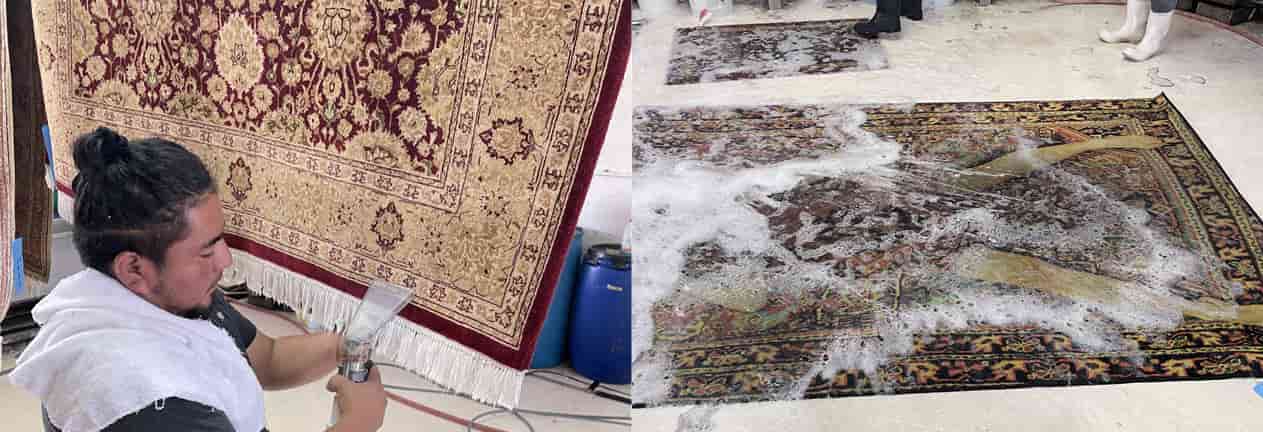
Carpet Cleaning After Water Damage in Bal Harbour During Humid Summer Months: What to Watch For
Bal Harbour, along with nearby communities including Sunny Isles Beach, North Miami Beach, North Miami, Aventura, Miami Shores, Surfside, and Biscayne Park, is known for its luxury waterfront homes, high-rise condos, and coastal lifestyle. While these properties offer breathtaking views and upscale living, the combination of South Florida’s heavy seasonal rains and high humidity can create significant challenges, particularly when it comes to water damage and carpet maintenance.
Carpet cleaning after water damage is more than a routine chore in Bal Harbour; it is a critical step to prevent structural damage, microbial growth, and long-term deterioration. The humid summer months amplify these risks, making timely, professional intervention essential. Understanding what to watch for, how water impacts carpets, and the best practices for cleaning and restoration can save homeowners time, money, and property value.
Understanding Carpet Damage From Water
Water affects carpets in multiple ways, depending on the source, amount, and duration of exposure:
- Standing water from leaks or floods: Moisture can seep deep into carpet fibers, padding, and subfloors, creating hidden wet zones.
- High humidity: Even without standing water, humid air can allow carpets to retain moisture longer, promoting mold growth.
- Stormwater intrusion: Saltwater or rainwater entering homes during storms can leave residues that degrade fibers and encourage microbial growth.
- Plumbing leaks: Slow leaks from pipes, washing machines, or sinks can saturate carpets and underlay.
Carpets in waterfront or coastal homes are particularly susceptible because they often sit on concrete slabs, which retain moisture, or over hardwood or laminate, which can warp when water exposure is prolonged.
Why Carpet Cleaning Becomes Critical
Carpet cleaning after water damage is essential for several reasons:
- Preventing Mold Growth
Mold thrives in moist environments, and carpet fibers with damp padding can become a breeding ground. In humid summer months, mold can develop within 24–48 hours after exposure to water. - Preserving Structural Integrity
Water can seep from carpets into subfloors, causing warping, swelling, or rot. Timely carpet cleaning ensures that both the visible fibers and the underlying surfaces dry effectively. - Maintaining Indoor Air Quality
Damp carpets can release mold spores and bacteria into the air, affecting respiratory health and indoor air quality. Proper cleaning and drying prevent these airborne contaminants from spreading. - Preventing Odors
Standing water and retained moisture in carpet fibers and padding can produce musty odors that linger long after the initial water exposure. - Extending Carpet Lifespan
Professional cleaning after water damage removes residues, prevents microbial growth, and restores fibers, preserving the appearance and durability of carpets.
Common Signs Homeowners Should Watch For
After water damage, homeowners should monitor carpets for early indicators of problems:
- Visible moisture or dampness: Areas that remain wet even after initial cleanup.
- Peeling or bubbling padding: Signs that water has seeped into underlay or subfloors.
- Musty or moldy odors: A persistent smell may indicate microbial growth.
- Discoloration or staining: Dark patches or watermarks can signal damage.
- Warped or buckling flooring: Carpets over hardwood or laminate may shift or bulge due to trapped moisture.
Even subtle signs should prompt professional evaluation, as hidden moisture can lead to costly repairs if left unaddressed.
Hidden Risks in Humid Coastal Environments
Carpet water damage in Bal Harbour can be compounded by the region’s coastal and humid conditions:
- Subfloor moisture: Concrete slabs or plywood beneath carpets may retain water longer, allowing mold and rot to develop.
- Wall and baseboard intrusion: Water can travel laterally into walls or behind baseboards, creating concealed damp zones.
- HVAC and duct condensation: Moisture from air conditioning units or ducts can further saturate carpets.
- High ambient humidity: Even after water extraction, humid air slows drying and increases microbial growth risk.
Professional carpet cleaning after water damage ensures that both visible and hidden moisture is addressed, reducing the risk of long-term problems.
Why DIY Carpet Cleaning Often Fails
Many homeowners attempt to dry or clean carpets themselves after water damage. However, DIY methods often fail for several reasons:
- Incomplete drying: Towels, fans, or low-capacity dehumidifiers may not reach padding or subfloor moisture.
- Mold risk: Residual dampness allows mold and bacteria to grow within hours.
- Fiber damage: Improper cleaning techniques or chemical use can deteriorate carpet fibers or leave residues.
- Hidden structural issues: Water may have reached flooring beneath the carpet, requiring professional assessment and drying.
Professional water damage carpet cleaning uses industrial-grade extraction, drying, and treatment to address both visible and hidden damage effectively.
Professional Carpet Cleaning Process After Water Damage
In Bal Harbour homes, carpet cleaning after water damage typically involves:
- Assessment and inspection: Identify water sources, affected areas, and moisture penetration into padding and subfloors.
- Water extraction: Use commercial-grade pumps and extractors to remove standing or absorbed water.
- Deep cleaning: Apply safe, professional cleaning solutions to remove contaminants, residues, and potential microbial growth.
- Drying and dehumidification: Employ high-capacity air movers and dehumidifiers, along with moisture monitoring, to ensure complete drying.
- Mold prevention treatment: Treat carpets and underlying materials with antimicrobial solutions to prevent regrowth.
- Final inspection: Confirm that carpets, padding, and subflooring are dry and safe, ensuring that no hidden moisture remains.
This comprehensive approach not only restores carpets but also protects the home from long-term damage caused by mold, bacteria, and moisture intrusion.
Long-Term Preventive Strategies
After professional carpet cleaning, homeowners can implement several strategies to reduce future risk:
- Immediate cleanup after spills or leaks: Remove water promptly to prevent prolonged moisture exposure.
- Routine maintenance: Vacuum and deep-clean carpets regularly to maintain fiber integrity and hygiene.
- Control indoor humidity: Use dehumidifiers, air conditioning, or ventilation to maintain humidity levels between 30–50%.
- Inspect AC and HVAC systems: Ensure condensation lines and ducts are functioning properly to prevent leaks.
- Check for roof, window, and plumbing leaks: Timely repairs reduce water intrusion that affects carpets.
- Use moisture-resistant underlay: Consider water-resistant padding or subfloor treatments in coastal or high-humidity areas.
These preventive measures are particularly important in humid summer months when water retention and mold growth are more likely.
Why Local Expertise Matters
Bal Harbour homes, especially waterfront properties, face environmental challenges unique to coastal living:
- High humidity slows drying and promotes microbial growth.
- Salt-laden air accelerates carpet and material deterioration.
- Hidden moisture in subfloors, padding, and ductwork requires professional detection.
- Waterfront construction and high-rise condos present unique restoration challenges.
Tip Top Water and Fire Damage Restoration provides carpet cleaning, water damage repair, moisture detection, and mold prevention services specifically for Bal Harbour and nearby neighborhoods including Sunny Isles Beach, North Miami Beach, North Miami, Aventura, Miami Shores, Surfside, and Biscayne Park. Local experience ensures thorough, precise, and effective solutions tailored to humid coastal environments.
Calm, Trust-Based Call to Action
Carpet water damage in Bal Harbour homes during humid summer months can escalate quickly, affecting indoor air quality, structural integrity, and long-term property value. Early professional intervention is critical to prevent mold, odors, and hidden damage. By combining expert water extraction, deep cleaning, drying, mold prevention, and ongoing preventive measures such as humidity control and AC maintenance, homeowners and property managers can safeguard their carpets and overall property. Local professionals provide tailored, reliable solutions that protect waterfront properties from the unique challenges of South Florida’s humid climate.