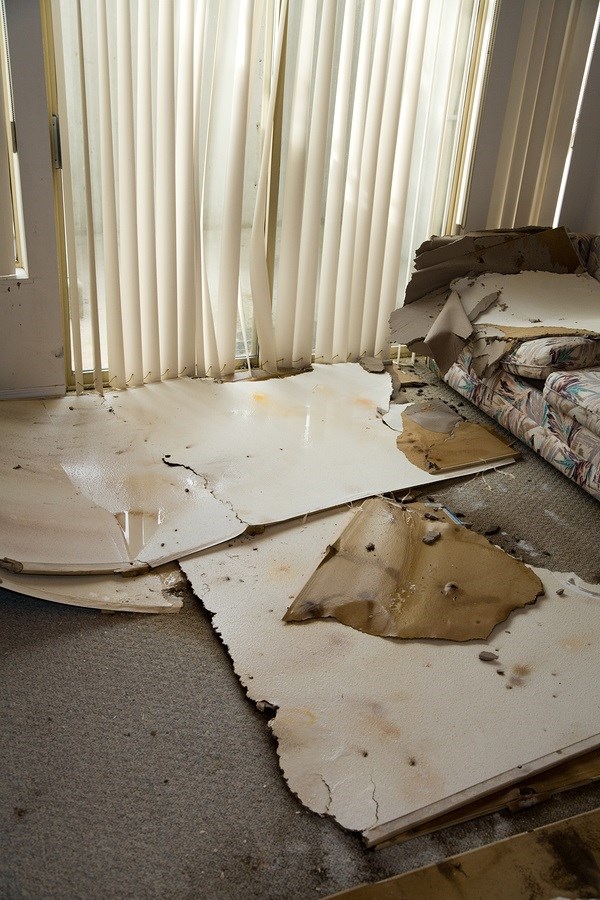
Why Carpet Cleaning After Water Damage Becomes Necessary in Surfside after Hurricanes
Living in Surfside offers coastal views, ocean breezes, and a relaxed lifestyle—but hurricane season brings challenges that many property owners know all too well. Heavy rains, storm surge, and flooding often leave homes dealing with soaked flooring, damp walls, and lingering moisture. One of the most overlooked problems after a storm is water-damaged carpet.
Carpet cleaning after water damage is not just about appearance. It plays an important role in preventing mold growth, odors, and long-term structural issues. For homeowners, landlords, and property managers in Surfside, understanding why this step matters helps protect both the property and indoor air quality.
What Happens to Carpets During Hurricane Water Damage
Carpet and padding are highly absorbent materials. During hurricanes, water can enter homes through:
- Wind-driven rain
- Flooding from storm surge
- Roof leaks
- Overflowing drains
- Broken windows or doors
Once water reaches carpet fibers and the padding underneath, it spreads quickly and can remain trapped even after the surface looks dry. This trapped moisture creates an ideal environment for mold growth and bacteria.
In coastal communities like Surfside and Bal Harbour, saltwater intrusion can make the situation worse because salt residue attracts and holds moisture even after drying begins.
Why This Happens So Often in Surfside
Surfside and nearby areas such as North Miami Beach, Sunny Isles Beach, and Aventura experience conditions that make water damage particularly common after hurricanes.
Several local factors contribute:
- Low elevation in coastal zones
- High humidity slowing evaporation
- Frequent storm systems during hurricane season
- Older buildings with aging roofing systems
- Condensation from constantly running air conditioners
After storms, even small amounts of remaining moisture can linger for days, especially in enclosed areas with limited ventilation. This is one of the main reasons carpets often require professional cleaning rather than simple drying.
Common Signs Homeowners Notice
Many property owners are unsure whether carpet cleaning is truly necessary after water exposure. However, certain warning signs usually indicate that cleaning and drying are essential.
These signs include:
- Damp or musty odors
- Carpet that feels cool or slightly wet underfoot
- Discoloration or dark patches
- Increased indoor humidity
- Allergy-like symptoms indoors
Sometimes the padding beneath the carpet remains wet even when the surface feels dry, which is why professional moisture detection is often recommended.
Hidden or Overlooked Sources of Moisture
Even after visible water is removed, moisture may remain in places homeowners don’t immediately think to check.
Common hidden sources include:
- Moisture trapped under carpet padding
- Water absorbed into baseboards
- Damp subfloor materials
- Condensation forming in closed rooms
- Humidity entering through air ducts
In Surfside homes, water intrusion can also travel through wall cavities and settle along floor edges, where carpet meets drywall. These hidden moisture pockets often lead to mold growth if not addressed quickly.
Why DIY Carpet Cleaning Usually Fails
It’s common for homeowners to rent carpet cleaners or attempt to dry carpets using fans and household equipment. While these steps may remove some moisture, they rarely address deeper issues.
DIY cleaning often fails because:
- Household machines cannot extract moisture from padding effectively
- Subfloor materials remain damp
- Bacteria and contaminants are not fully removed
- Drying may be uneven, allowing mold to grow
In hurricane situations, floodwater may also carry contaminants, making proper sanitation an important part of the cleaning process.
Professional Mold Inspection & Testing Explained
After significant water damage, mold inspection and testing may be recommended, especially if drying was delayed or odors persist.
Professional testing typically includes:
- Moisture readings in floors and walls
- Air sampling to evaluate spore levels
- Surface sampling if visible growth is present
- Thermal imaging to detect hidden damp areas
These steps help determine whether mold has begun to develop beneath carpet or inside nearby building materials.
Technicians working in coastal areas like Surfside and Miami Shores frequently find early mold growth beneath carpet padding that is not visible from the surface.
Proper Carpet Cleaning and Remediation Process
Professional carpet cleaning after water damage involves more than simple washing. The goal is to remove moisture, contaminants, and odor sources while restoring indoor conditions.
The process usually includes:
- High-powered water extraction
- Removal or drying of padding when necessary
- Antimicrobial treatment to reduce microbial growth
- Controlled drying using air movers and dehumidifiers
- Monitoring moisture levels until materials are dry
In some cases, carpets that are heavily contaminated or damaged may need replacement, but many carpets can be successfully restored if treated promptly.
Companies such as Tip Top Water and Fire Damage Restoration often encounter situations where early intervention saves flooring that would otherwise have been discarded.
Flood Restoration & Water Damage Repair
Carpet cleaning is often only one part of the overall restoration process after hurricanes.
Flood restoration may include:
- Structural drying
- Repair of drywall or baseboards
- Cleaning and sanitizing affected surfaces
- Moisture monitoring over several days
In Surfside and nearby Biscayne Park or North Miami, rapid drying is essential because humidity slows evaporation, allowing mold growth to begin sooner than many property owners expect.
Air Ducts, AC Systems & Moisture After Storms
After hurricanes, air-conditioning systems can contribute to indoor moisture problems if they are not inspected.
Potential issues include:
- Wet or contaminated ductwork
- Condensation buildup
- Debris affecting airflow
- Elevated humidity circulating through the system
If ducts remain damp, moisture can spread through the home, affecting carpets and furnishings even after initial drying.
Routine inspection and cleaning help prevent secondary moisture damage.
How to Prevent Carpet Damage in Future Storms
While hurricanes cannot be prevented, property owners can take steps to reduce damage risks.
Helpful prevention measures include:
- Inspect roofs and windows before storm season
- Seal gaps around doors and frames
- Use dehumidifiers after storms
- Dry any wet areas immediately
- Schedule moisture inspections after flooding events
In rental or seasonal properties, regular post-storm inspections are especially important because moisture problems may go unnoticed for days or weeks.
Why Local Experience Matters
Restoration work in coastal South Florida requires an understanding of local conditions. Humidity levels, building materials, and storm patterns all affect how water behaves inside structures.
Professionals experienced in Surfside, Sunny Isles Beach, and Aventura understand:
- How quickly mold can develop in humid climates
- Which areas of homes retain moisture longest
- How salt air affects drying times
- How to detect hidden moisture in coastal buildings
This local knowledge helps ensure that carpet cleaning and drying are thorough and effective.
Tip Top Water and Fire Damage Restoration has addressed many hurricane-related water damage cases across North Miami and nearby coastal communities, where rapid response often prevents long-term structural issues.
A Practical Next Step for Property Owners
After hurricanes or flooding, it’s wise to have carpets and flooring evaluated as soon as possible. Even if damage appears minor, hidden moisture can cause problems later.
Prompt carpet cleaning, drying, and inspection help maintain indoor air quality, protect flooring, and prevent mold growth. Acting early often reduces repair costs and shortens restoration time.
For property owners in Surfside, staying proactive after storms is one of the best ways to keep homes safe, comfortable, and structurally sound.