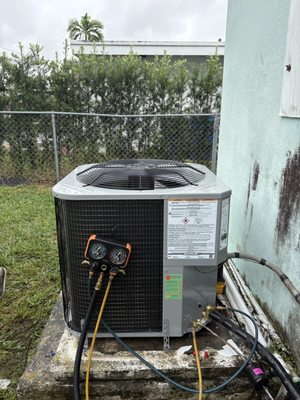
A Property Owner’s Guide to AC Moisture Repair in North Miami
North Miami, along with nearby communities including North Miami Beach, Sunny Isles Beach, Bal Harbour, Aventura, Miami Shores, Surfside, and Biscayne Park, is a vibrant coastal city known for its warm climate, high humidity, and beautiful waterfront properties. While air conditioning is essential for comfort in this region, it can also become a source of moisture-related problems if not properly maintained. AC moisture issues can lead to water damage, mold growth, reduced indoor air quality, and structural deterioration.
For homeowners, landlords, and property managers, understanding AC moisture repair is critical for protecting property value and maintaining a healthy living environment. This guide explains the causes of AC-related moisture problems, signs to watch for, repair strategies, and long-term preventive measures specifically tailored to North Miami’s coastal climate.
Understanding AC Moisture Issues
Air conditioning systems remove heat and humidity from indoor spaces, which naturally produces condensation. Normally, this condensation is managed through drain lines and drip pans. However, when these systems fail, moisture can accumulate inside the unit, within ductwork, or around the surrounding home surfaces.
In North Miami, AC moisture problems are common due to several environmental and structural factors:
- High humidity levels: Coastal homes often experience humidity above 70%, increasing condensation within AC systems.
- Salt-laden air: Corrosion from salt can damage AC components, causing leaks and water overflow.
- Aging units: Older AC systems may have clogged lines, rusted pans, or compromised seals.
- Improper installation: Units that are not level or have poorly designed drainage can trap moisture.
- Limited ventilation: Ducts or poorly ventilated areas may collect excess condensation, creating hidden damp zones.
Unchecked AC moisture can lead to significant problems, including water damage to walls, ceilings, flooring, and even structural components.
Common Causes of AC Moisture Problems in North Miami
Several factors specific to North Miami make AC moisture repair necessary:
1. Clogged Condensate Drain Lines
Over time, drain lines can become blocked by debris, algae, or sediment. When this happens, condensation cannot drain properly, causing water to back up into the unit or surrounding areas.
2. Rusted or Damaged Drip Pans
Drip pans catch condensation from the AC evaporator coil. If the pan is corroded or cracked, water can overflow and damage nearby walls, flooring, or ceilings.
3. Improperly Sized or Installed Units
AC systems that are too large or too small for the space may not dehumidify effectively, leaving excess moisture in the home. Units installed on uneven surfaces can also cause water to collect incorrectly, increasing the risk of leaks.
4. High Humidity and Coastal Conditions
North Miami’s coastal climate keeps indoor humidity levels high. During the summer months, AC units run continuously to cool spaces, producing more condensation than in drier climates. If drainage or ventilation is compromised, moisture issues are almost inevitable.
5. Hidden Leaks in Ductwork
Leaky or poorly insulated ducts can accumulate condensation inside walls or ceilings. Moisture trapped within ducts often goes unnoticed until it leads to mold or structural damage.
Signs That AC Moisture Repair Is Needed
Homeowners and property managers should be vigilant for signs of AC-related moisture problems, especially in North Miami’s humid environment:
- Water stains or discoloration: Yellow or brown stains on ceilings, walls, or floors near the AC unit or vents.
- Sagging drywall or ceilings: Prolonged moisture can weaken building materials.
- Musty odors: Persistent damp smells can indicate microbial growth caused by AC moisture.
- Condensation around vents: Excess water around duct openings signals drainage or airflow issues.
- Increased allergy symptoms: Sneezing, coughing, or congestion indoors may result from mold spores spread through the AC system.
- Pooling water near the unit: Visible water accumulation indicates drainage problems.
Early detection allows for professional repair before damage spreads, saving time, money, and the need for extensive restoration.
Why DIY AC Moisture Repair Often Fails
Many homeowners attempt to fix AC moisture problems themselves, but DIY approaches are often insufficient:
- Hidden moisture remains: Simply wiping or drying visible water does not address moisture trapped in ducts, walls, or ceilings.
- Incomplete repairs: Cleaning a drain line may not fix corroded pans, leaks, or poorly sized units.
- Mold growth risk: Disturbing wet areas without proper containment can release mold spores into the home.
- Structural damage continues: Moisture in subfloors or wall cavities may persist, causing long-term damage.
Professional AC moisture repair ensures that all sources of water are addressed and that the system operates efficiently to prevent future problems.
Professional AC Moisture Repair Process
In North Miami, professional AC moisture repair typically involves:
- Inspection and assessment: Identify blocked drain lines, leaks, corroded components, and ductwork issues.
- Cleaning and clearing: Remove clogs in condensate lines, clean drip pans, and ensure proper drainage.
- Repair or replacement: Fix damaged pans, coils, or components; repair or insulate ductwork as needed.
- System calibration: Ensure the AC unit is properly sized, leveled, and dehumidifies effectively.
- Mold prevention treatment: Apply antimicrobial solutions to areas affected by moisture.
- Monitoring: Test humidity levels and condensation to verify that the system is functioning correctly.
This comprehensive process protects homes from water damage, mold growth, and degraded indoor air quality.
Long-Term Preventive Strategies
After professional AC moisture repair, homeowners can reduce future risks with several preventive measures:
- Regular AC maintenance: Schedule inspections and cleaning for condensate lines, drip pans, and coils.
- Humidity control: Use dehumidifiers or ventilation improvements to maintain indoor humidity between 30–50%.
- Ductwork inspection: Ensure ducts are insulated and free of leaks to prevent hidden moisture.
- Check seals and insulation: Verify that AC connections, vents, and lines are properly sealed.
- Monitor for unusual odors or stains: Early detection allows quick intervention before problems escalate.
- Prompt repair of leaks: Address any water intrusion in walls, roofs, or plumbing to reduce strain on the AC system.
These steps are particularly important in North Miami, where coastal humidity and summer heat place additional stress on cooling systems.
Why Local Expertise Matters
North Miami homes face unique challenges related to AC moisture:
- Coastal humidity increases condensation inside units and ductwork.
- Salt-laden air accelerates corrosion of AC components.
- Hidden moisture in walls, ceilings, and ducts can lead to mold and structural damage.
- Waterfront properties, older homes, and high-rise condos require specialized knowledge for proper repair.
Tip Top Water and Fire Damage Restoration provides AC moisture repair, water damage mitigation, mold prevention, and maintenance services specifically for North Miami and nearby neighborhoods including North Miami Beach, Sunny Isles Beach, Bal Harbour, Aventura, Miami Shores, Surfside, and Biscayne Park. Local expertise ensures that all AC systems are repaired effectively and that moisture problems are resolved long-term.
Calm, Trust-Based Call to Action
AC moisture problems in North Miami homes can lead to water damage, mold growth, reduced indoor air quality, and long-term structural issues. Early professional inspection and repair are essential to prevent minor issues from escalating into major repairs. By combining expert AC moisture repair, duct and drain maintenance, humidity control, and preventive strategies, homeowners and property managers can protect their properties from the challenges of South Florida’s coastal climate. Local professionals provide reliable, tailored solutions that safeguard waterfront and high-rise properties, ensuring comfort, safety, and long-term protection.