
Moisture Detection in Coastal Neighborhoods Near Biscayne Bay During Humid Summer Months: What to Watch For
Living in coastal neighborhoods near Biscayne Bay comes with undeniable benefits: ocean views, access to waterfront recreation, and the vibrant lifestyle of North Miami, Sunny Isles Beach, and surrounding communities. Yet these areas also bring unique property maintenance challenges, particularly during the humid summer months. Among the most critical of these is moisture intrusion—often invisible, yet capable of compromising indoor air quality, structural integrity, and long-term property value.
Moisture detection is a proactive strategy for identifying potential water problems before they escalate. It involves understanding the local environment, recognizing early signs of dampness, and using professional tools to locate hidden water in walls, floors, ceilings, or HVAC systems. For property owners and managers near Biscayne Bay, regular moisture monitoring is an essential part of summer property maintenance.
Why Coastal Homes Are Vulnerable to Moisture
Coastal properties in North Miami, Biscayne Park, Sunny Isles Beach, and Aventura are uniquely susceptible to moisture issues. Several environmental factors contribute:
- High Humidity: Summer in South Florida often brings relative humidity above 80%, creating constant moisture pressure on building materials.
- Storm and Rain Exposure: Heavy seasonal thunderstorms can drive water into roof systems, window seals, and balcony thresholds.
- Salt Air: Coastal air accelerates material degradation and can contribute to condensation on metal components or window frames.
- AC-Driven Condensation: Air conditioning systems operating continuously produce condensation that may leak into walls, ducts, or floors.
- Slab Foundations: Many homes near the bay are built on slabs, which can allow moisture to migrate upward through concrete into flooring and walls.
Together, these factors make moisture detection not optional but essential for maintaining healthy, resilient coastal homes.
Common Areas Where Moisture Hides
Moisture is often not immediately visible. Real-world observations in Biscayne Bay neighborhoods highlight the following areas as high-risk:
- Attics and Crawl Spaces: Poor ventilation and high temperatures encourage condensation, which can lead to hidden mold growth.
- Wall Cavities: Water intrusion from roof leaks, window failures, or plumbing leaks often collects behind drywall or paneling.
- Basements or Lower Levels: Though less common near the bay due to slab foundations, ground-level moisture intrusion can occur during heavy storms or flooding.
- HVAC Systems: Drip pans, condensate lines, and ductwork can harbor moisture that spreads contaminants throughout the home.
- Flooring: Tile grout, hardwood seams, and carpet padding absorb water from leaks or spills, leading to subfloor moisture.
Understanding these hidden zones is crucial, as visible signs like staining or odor often appear only after significant moisture accumulation.
Early Signs of Moisture Problems
Detecting moisture early is the most effective way to prevent costly damage. Homeowners should watch for:
- Musty or damp odors
- Warping or buckling flooring
- Bubbling, peeling, or discolored paint
- Condensation forming on walls, windows, or ceilings
- Soft or spongy baseboards
- Elevated indoor humidity
- Dark spots around AC vents
Even minor or intermittent signs can indicate hidden moisture that may worsen during the humid summer months.
Why DIY Approaches Often Fall Short
Many property owners attempt to address moisture concerns themselves using methods such as:
- Home moisture test kits
- Visual inspections only
- Fans and basic dehumidifiers
While these steps may provide some comfort, they often fail to detect hidden water or accurately assess the extent of intrusion. DIY tests do not measure moisture in structural components, wall cavities, or duct systems, and they rarely provide the data needed to plan effective remediation.
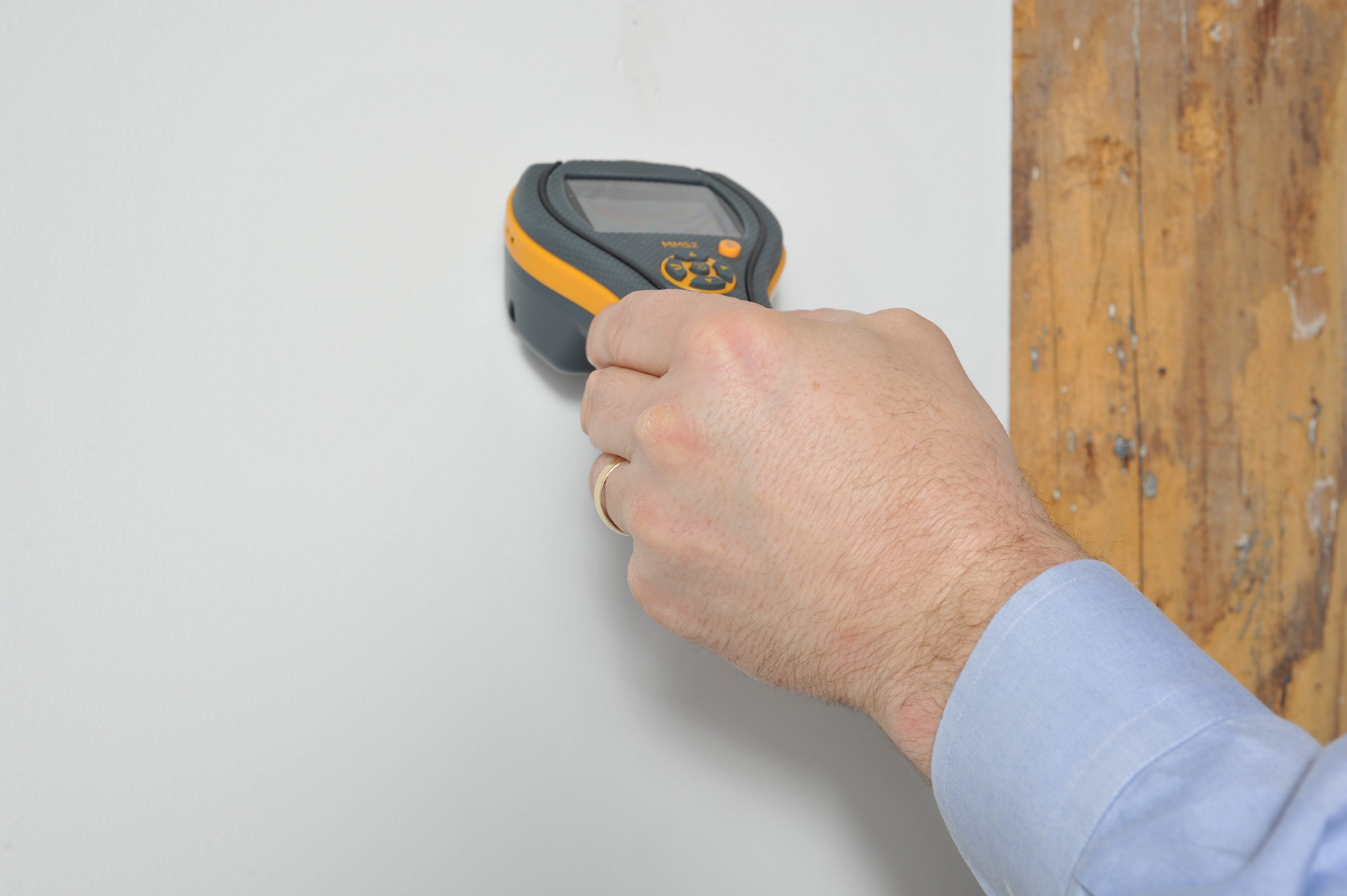
Professional moisture detection uses specialized tools, such as moisture meters, thermal imaging cameras, and hygrometers, to map both visible and hidden dampness. This approach ensures a complete understanding of the problem before remediation begins.
Professional Moisture Detection Techniques
In Biscayne Bay coastal homes, effective moisture detection typically includes:
- Visual Inspection: Initial assessment of all interior and exterior areas for signs of water intrusion.
- Moisture Meters: Pin or pinless devices measure moisture content in walls, floors, ceilings, and subfloors.
- Thermal Imaging: Infrared cameras detect temperature differences that suggest hidden dampness or leaks.
- Hygrometers: Measure indoor relative humidity to identify areas where moisture levels exceed safe thresholds (usually above 60%).
- HVAC Evaluation: Inspect air handlers, ducts, drip pans, and insulation for condensation or leaks.
Together, these methods allow a comprehensive understanding of moisture conditions, pinpointing hidden risks before visible damage appears.
Real-World Observations From Local Properties
Several patterns emerge from moisture detection in Biscayne Bay coastal neighborhoods:
- AC-Driven Moisture Accumulation: Continuous operation during hot summers leads to condensate buildup inside air handlers and ducts, particularly in older systems.
- Window and Balcony Penetration: Storm-driven rain often enters through compromised seals, leaving hidden damp zones behind walls or beneath tile floors.
- Roof Flashing and Gutter Failures: Older homes and condos with aging roofing systems experience water migration into attics and wall cavities.
- Slab-Related Moisture: Ground-level moisture in homes with slabs may wick upward, affecting hardwood floors and baseboards over time.
- Attic Ventilation Issues: Heat and humidity accumulate, creating pockets of condensation that go unnoticed until structural components are affected.
These observations demonstrate that moisture intrusion is rarely isolated. Multiple sources often interact to create persistent damp conditions.
The Link Between Moisture and Mold Growth
Moisture detection is a preventive measure against mold. In coastal South Florida, mold can begin growing within 24–48 hours if conditions are favorable. Hidden moisture, combined with organic materials such as drywall, wood, or carpet, provides an ideal environment.
Professional detection allows property owners to address both the moisture source and the potential for mold, reducing the need for extensive remediation later.
Effective Strategies for Moisture Management
Based on local experience, the following strategies are most effective for managing moisture:
- Prompt Leak Repairs: Address plumbing, roof, or window leaks immediately.
- AC Maintenance: Clean drip pans, clear condensate lines, and service air handlers regularly.
- Dehumidification: Use whole-house or portable dehumidifiers to maintain indoor humidity below 60%.
- Ventilation Improvements: Ensure attics, bathrooms, and kitchens are properly ventilated to reduce condensation.
- Waterproofing and Sealants: Reinforce exterior walls, balconies, and window seals against storm-driven water intrusion.
- Routine Moisture Monitoring: Periodic professional inspections catch developing issues before they become emergencies.
These measures are particularly effective during the humid summer months when moisture pressures are highest.
Why Local Knowledge Matters
Moisture detection near Biscayne Bay requires familiarity with coastal climate, building materials, and regional patterns of water intrusion. Local professionals understand:
- How summer thunderstorms impact roofing and window systems
- Typical AC-related condensate issues in South Florida homes
- Common leak points in slab foundations and older construction
- Seasonal variations in humidity that affect drying strategies
Tip Top Water and Fire Damage Restoration, with experience throughout North Miami, Sunny Isles Beach, Aventura, and Biscayne Park, has the local insight necessary to identify and resolve moisture issues efficiently.
Taking a Proactive Approach
Moisture detection is not just about responding to water problems—it’s about prevention and long-term property protection. A proactive approach includes:
- Regular professional inspections during the humid season
- Early identification of leaks or condensation
- Prompt remediation and drying of affected areas
- Continuous monitoring of indoor humidity levels
This strategy preserves structural integrity, prevents mold, and maintains indoor air quality, all of which are critical for homes near Biscayne Bay.
By recognizing early signs, employing professional detection tools, and addressing moisture proactively, property owners can protect their investment and maintain a comfortable, healthy indoor environment throughout the humid South Florida summer.