
Property Maintenance Insights: Black Mold Removal in Surfside
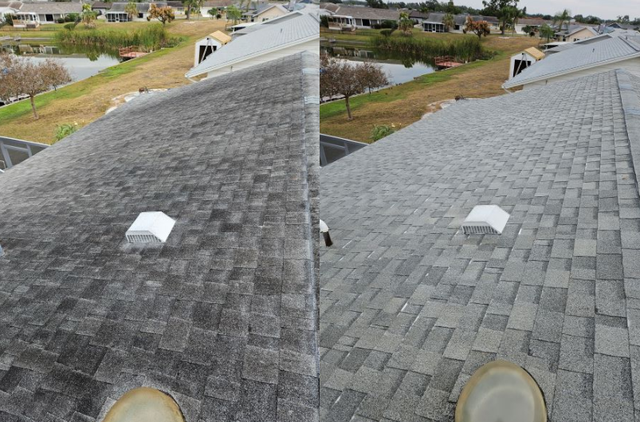
Black mold, also known as Stachybotrys chartarum, is a serious concern for homeowners and property managers in Surfside, North Miami Beach, and surrounding coastal communities. While all mold types thrive in damp environments, black mold is particularly aggressive and persistent, often developing in hidden areas where moisture accumulates. In South Florida’s humid climate, seasonal storms and AC condensation create conditions that can accelerate growth.
Understanding black mold removal requires awareness of how mold spreads, the risks associated with hidden moisture, and the methods used to safely remediate and prevent future outbreaks. Real-world observations from Surfside properties highlight both common problem areas and effective strategies for long-term mold management.
What Black Mold Is and Why It Matters
Black mold is a dark-colored fungus that grows on organic materials such as drywall, wood, and insulation. Its growth is accelerated by high humidity and water intrusion, making coastal homes in Surfside particularly susceptible. Unlike superficial surface mold, black mold often penetrates building materials, requiring professional removal to fully address the contamination.
In addition to discoloration and staining, black mold can compromise structural integrity over time if left unchecked. It also contributes to unpleasant odors and can affect indoor air quality, spreading spores throughout the home when disturbed.
Why Black Mold Is Common in Surfside Homes
Several environmental and structural factors contribute to black mold prevalence in Surfside:
- High Humidity: Summer humidity levels in South Florida often exceed 70%, creating a constant moisture load.
- Storm Water Intrusion: Heavy rains and hurricanes can drive water through roofs, windows, and slab foundations.
- AC Condensation: Continuous air conditioning produces condensate that may leak into walls, ducts, or floors if systems are not properly maintained.
- Older Construction Materials: Many homes were built before modern moisture barriers were standard, allowing water to seep into structural materials.
- Coastal Air Exposure: Salt-laden air accelerates material degradation and may contribute to condensation and leaks.
These conditions make proactive inspection, moisture management, and mold remediation essential for Surfside homeowners.
Common Signs of Black Mold Growth
Recognizing black mold early is critical. Common indicators observed in Surfside properties include:
- Dark green or black discoloration on walls, ceilings, or floors
- Musty, pungent odors
- Bubbling, peeling, or discolored paint
- Warping or softening of drywall, wood, or baseboards
- Moisture accumulation or condensation in hidden areas such as attics, crawl spaces, or behind cabinetry
- Visible mold growth around AC vents or plumbing fixtures
Even small patches of black mold indicate that underlying moisture issues exist and require professional attention.
Hidden or Overlooked Sources of Black Mold
Black mold often develops in areas that are not immediately visible, making inspections crucial. High-risk areas in Surfside homes include:
- Attics and Crawl Spaces: Poor ventilation traps heat and humidity, creating an environment conducive to black mold growth.
- Air Ducts and HVAC Systems: Leaks, clogged condensate lines, and saturated drip pans can foster microbial growth that spreads spores throughout the home.
- Bathroom and Kitchen Areas: High humidity and inadequate ventilation encourage mold growth on walls, behind cabinets, and under sinks.
- Behind Drywall or Paneling: Water intrusion from leaks or condensation can promote hidden black mold.
- Slab Foundations: Moisture can wick upward through concrete, affecting flooring and lower walls over time.
Professional inspections are essential to identify these hidden sources and prevent regrowth.
Why DIY Black Mold Removal Often Fails
Many homeowners attempt to remove black mold themselves using bleach, sprays, or household cleaners. While these methods may temporarily clean surface growth, they often fail to address:
- Hidden mold behind walls, ceilings, or floors
- Moisture sources that allow regrowth
- Airborne spores that can spread contamination
- Contaminated insulation, ductwork, or structural components
Improper removal can disperse spores, worsening contamination. Professional intervention ensures complete remediation and safety.
Professional Black Mold Inspection and Testing
A thorough inspection in Surfside typically includes:
- Visual Assessment: Identifying visible mold and potential moisture sources.
- Moisture Mapping: Using meters and thermal imaging to locate hidden damp areas.
- Air Sampling: Measuring airborne spores to assess contamination levels.
- Surface Sampling: Testing affected areas to confirm mold type and extent.
- HVAC Inspection: Evaluating ducts, coils, and drip pans for contamination.
- Humidity Evaluation: Monitoring indoor humidity to identify conditions conducive to mold growth.
Professional inspections provide a detailed understanding of mold extent, ensuring proper remediation planning.
The Black Mold Removal Process
Effective black mold remediation involves multiple steps:
- Containment: Using barriers and negative air machines to prevent spore spread.
- Removal of Contaminated Materials: Drywall, insulation, and carpet padding affected by black mold may need controlled removal.
- Cleaning and Sanitization: HEPA vacuuming and antimicrobial treatments remove spores from salvageable surfaces.
- Drying and Dehumidification: Industrial dehumidifiers and air movers eliminate moisture to prevent regrowth.
- Final Verification: Post-remediation testing ensures mold levels return to safe standards.
In Surfside, local professionals understand how coastal humidity, slab foundations, and AC condensation affect drying times and remediation techniques.
Addressing Water Damage
Black mold is often linked to water intrusion. Surfside homes face risks from:
- Roof and window leaks
- Plumbing leaks and slab moisture
- AC condensation and clogged drip lines
- Stormwater flooding
Proper remediation involves addressing both the mold and the underlying water source. Flood restoration or water damage repair may be necessary to fully restore affected areas.
Preventing Black Mold in Surfside Homes
Long-term prevention focuses on moisture management:
- Repair leaks promptly in roofs, plumbing, and window seals
- Maintain AC systems, including drip pans, coils, and condensate lines
- Use dehumidifiers to maintain indoor humidity below 60%
- Ensure proper ventilation in bathrooms, kitchens, and attics
- Conduct routine inspections, especially after storms or water events
- Seal slab foundations and monitor moisture in flooring and lower walls
These proactive measures reduce the likelihood of black mold regrowth and help protect indoor air quality.
Why Local Experience Matters
Black mold remediation in Surfside requires expertise in South Florida’s climate, humidity, and coastal building conditions. Local professionals understand:
- How continuous AC use contributes to moisture accumulation
- Common leak points in older homes and slab foundations
- Seasonal variations in humidity and their impact on mold growth
- Coastal air effects on building materials and AC systems
Companies like Tip Top Water and Fire Damage Restoration leverage this local knowledge to deliver thorough inspections, effective remediation, and lasting prevention solutions.
A Practical Approach to Black Mold Management
Managing black mold in Surfside involves a calm, methodical strategy:
- Recognize early signs such as discoloration, odors, or moisture accumulation
- Schedule professional inspections to identify hidden contamination
- Remove mold and address underlying moisture sources simultaneously
- Implement preventive measures, including ventilation, dehumidification, and routine maintenance
- Monitor properties after remediation to detect any recurrence
By combining professional remediation with proactive maintenance, homeowners and property managers can maintain safe, comfortable, and healthy indoor environments even in Surfside’s humid, coastal climate.
Proper black mold removal and prevention not only protect the structural integrity of homes but also safeguard indoor air quality and ensure long-term property value in one of South Florida’s most desirable coastal communities.