
What Really Causes the Need for Mold Remediation in Miami Shores
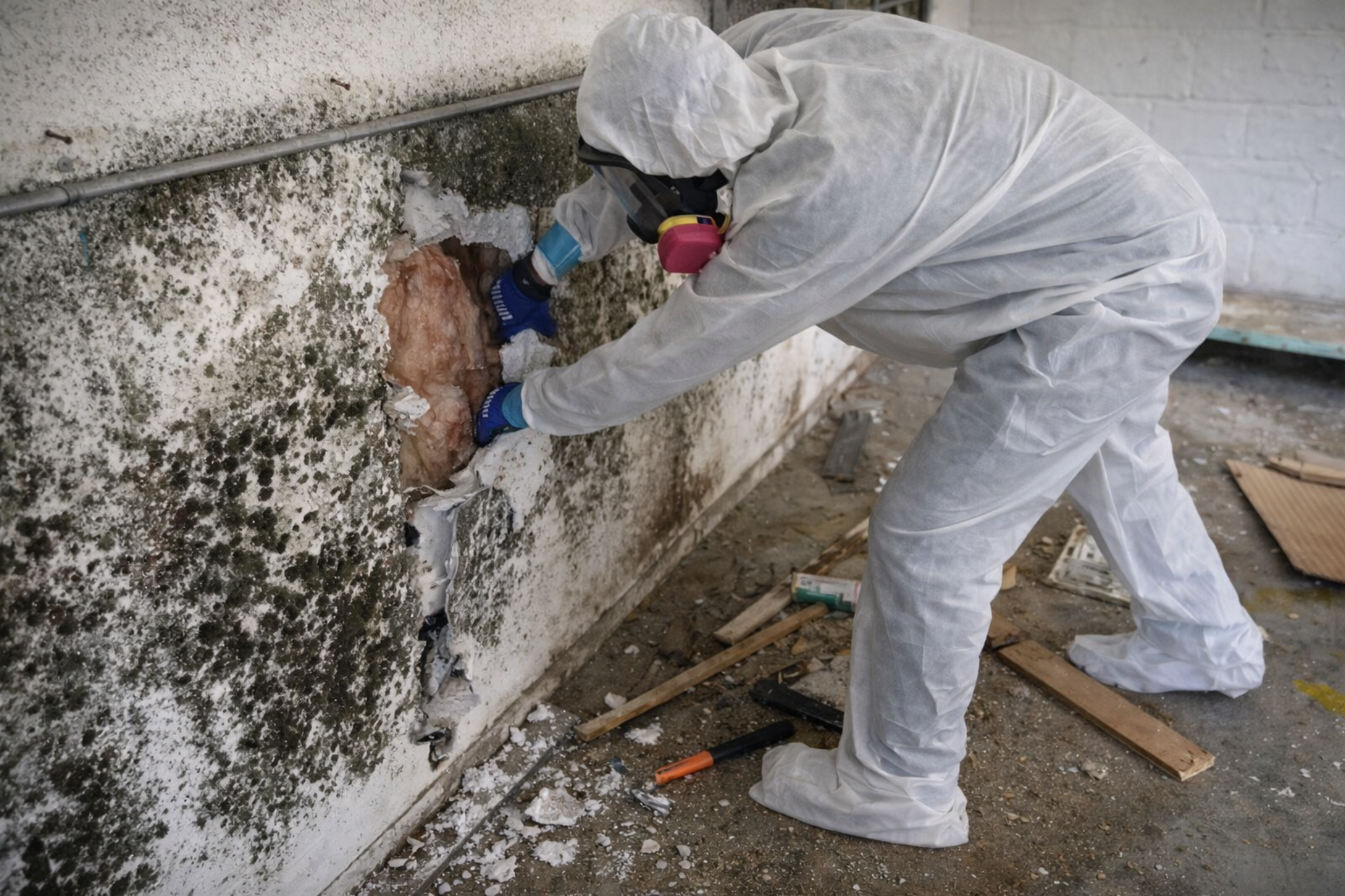
Mold is a persistent issue for homeowners and property managers in Miami Shores, North Miami, and surrounding coastal communities. While many people associate mold with visible black or green patches on walls or ceilings, the need for mold remediation often arises from less obvious causes. South Florida’s humid climate, frequent seasonal rains, and coastal environmental factors make properties particularly susceptible to hidden moisture and microbial growth.
Understanding what drives the need for mold remediation is essential for effective property maintenance. By examining real-world scenarios in Miami Shores homes, this article highlights common causes of mold growth, areas where it often develops, and preventive strategies to protect property value and indoor air quality.
Understanding Mold and Its Growth Conditions
Mold is a type of fungus that reproduces through spores, which are present almost everywhere in the environment. While outdoor mold is common and generally harmless, indoor mold growth occurs when spores encounter moisture and organic surfaces such as wood, drywall, carpet, or insulation.
Key factors that contribute to mold growth in Miami Shores include:
- High Humidity: South Florida’s average summer humidity often exceeds 70%, creating a constant moisture load inside homes.
- Water Intrusion: Leaks, flooding, and condensation provide the damp conditions that mold needs to grow.
- Poor Ventilation: Limited airflow in attics, crawl spaces, and bathrooms traps moisture and promotes microbial development.
- Building Materials: Older construction or water-sensitive materials can absorb moisture, making them ideal substrates for mold.
Even small, hidden sources of moisture can lead to significant mold infestations if left unaddressed.
Common Triggers for Mold in Miami Shores Homes
Several specific conditions in Miami Shores homes commonly lead to mold growth, requiring professional remediation:
1. AC System Condensation and Duct Issues
Air conditioning systems are essential in South Florida but can contribute to moisture problems. Continuous operation produces condensate, which, if not properly drained, can leak into walls, floors, or ductwork. Over time, this moisture creates ideal conditions for mold to develop in:
- AC drip pans and condensate lines
- Duct interiors
- Wall cavities near air handlers
Real-world inspections in Miami Shores frequently reveal hidden mold growth associated with AC systems, particularly in older homes or units with clogged drains.
2. Roof and Window Leaks
Seasonal storms and heavy rainfall can compromise roofs, skylights, and window seals. Even small leaks allow water to penetrate walls or ceilings, providing a constant moisture source that encourages mold growth. Signs may include:
- Staining on ceilings or walls
- Bubbling or peeling paint
- Musty odors near windows or rooflines
Ignoring these minor leaks often leads to more extensive mold issues that require professional remediation.
3. Plumbing Failures
Plumbing leaks are another common source of indoor moisture in Miami Shores. Slow leaks from pipes behind walls, under sinks, or beneath slab foundations can go unnoticed for weeks or months. Moisture accumulation in these areas provides a hidden environment where mold can thrive.
4. Flooding and Stormwater Intrusion
Coastal communities like Miami Shores face periodic flooding due to high tides, storm surges, and heavy rainfall. Water intrusion from flooding saturates flooring, walls, and insulation, creating the perfect conditions for mold growth. Without prompt water removal and drying, remediation becomes necessary.
5. Poor Ventilation and Indoor Humidity
Even without leaks, poorly ventilated spaces contribute to mold growth. Bathrooms, kitchens, attics, and laundry areas are particularly vulnerable. When relative humidity exceeds 60% for prolonged periods, mold can develop on:
- Ceiling and wall surfaces
- Wooden beams or flooring
- Attic insulation
Homeowners often underestimate the impact of high indoor humidity, which can persist even when there are no visible leaks.
6. Slab Foundation Moisture
Many homes in Miami Shores are built on concrete slabs. Moisture can wick through the slab from the ground or collect at the edges, affecting flooring, baseboards, and walls. Over time, this hidden dampness can lead to mold development that requires professional remediation.
Signs That Mold Remediation Is Needed
Recognizing early warning signs is critical for preventing extensive damage. Homeowners and property managers in Miami Shores should watch for:
- Persistent musty odors
- Visible discoloration or black spots on walls, ceilings, or floors
- Bubbling, peeling, or warped paint or wallpaper
- Soft or spongy drywall or wood
- Staining around plumbing, AC vents, or windows
- Recurring allergy or respiratory symptoms among occupants
Even minor or intermittent signs can indicate hidden mold that requires professional assessment.
Hidden or Overlooked Sources
Mold often develops in areas that are not easily visible. Real-world inspections reveal common hidden sources:
- Attics and crawl spaces with limited ventilation
- Air ducts contaminated with moisture and dust
- Behind baseboards, cabinets, or wall panels
- Under carpeting or laminate flooring exposed to spills or slab moisture
- HVAC components such as drip pans or coil surfaces
Detecting these areas requires professional tools such as moisture meters, thermal imaging cameras, and air or surface sampling equipment.
Why DIY Solutions Often Fail
Many homeowners attempt to manage mold using bleach, sprays, or over-the-counter cleaners. While these approaches may remove surface mold temporarily, they rarely address:
- Hidden growth behind walls or under flooring
- Moisture sources that allow regrowth
- Airborne spores that can spread contamination
- Contaminated insulation or ductwork
DIY remediation can give a false sense of security and may even worsen the problem by dispersing spores throughout the property.
Professional Mold Remediation
Effective mold remediation in Miami Shores follows a multi-step process:
- Inspection and Testing: Identifying visible and hidden mold, assessing moisture levels, and sampling affected areas to determine the mold type.
- Containment: Using barriers and negative air machines to prevent spores from spreading during remediation.
- Removal of Contaminated Materials: Drywall, insulation, carpet padding, or other porous materials may require controlled removal.
- Cleaning and Sanitization: HEPA vacuuming and antimicrobial treatments eliminate spores on salvageable surfaces.
- Drying and Dehumidification: Industrial air movers and dehumidifiers remove residual moisture to prevent regrowth.
- Verification: Post-remediation testing ensures mold levels return to safe standards.
Local companies, such as Tip Top Water and Fire Damage Restoration, have experience with Miami Shores properties, ensuring thorough and effective remediation that considers coastal humidity, AC systems, and slab foundations.
Preventive Strategies
Once mold has been removed, preventing future growth is critical. Effective strategies include:
- Repairing leaks promptly in roofs, plumbing, and windows
- Maintaining AC systems and ensuring proper condensate drainage
- Using dehumidifiers to maintain indoor humidity below 60%
- Improving ventilation in bathrooms, kitchens, and attics
- Inspecting slab foundations and flooring for moisture
- Conducting routine inspections and moisture monitoring
Proactive maintenance significantly reduces the likelihood of mold recurrence and protects both property value and indoor air quality.
Why Local Expertise Matters
Miami Shores has unique environmental conditions that influence mold growth, including high humidity, frequent storms, and coastal air. Local professionals understand:
- How seasonal rainfall affects roof, window, and foundation leaks
- AC system behaviors in South Florida homes
- Common hidden moisture patterns in slab foundations and attics
- The best remediation and prevention strategies for coastal properties
Working with a locally experienced company ensures that mold remediation addresses both immediate contamination and long-term prevention.
Taking a Proactive Approach
The need for mold remediation in Miami Shores is often driven by hidden moisture sources rather than visible surface growth alone. A proactive approach includes:
- Identifying early signs such as odors, staining, or warped surfaces
- Scheduling professional inspections to detect hidden moisture and mold
- Remediating mold while simultaneously addressing underlying water sources
- Implementing ongoing preventive measures including ventilation, humidity control, and routine inspections
- Monitoring indoor conditions to prevent recurrence
By understanding the root causes of mold growth and taking preventive action, property owners and managers can maintain healthy, safe, and comfortable homes in Miami Shores despite South Florida’s humid climate and seasonal storms.
Mold remediation is not simply about removing visible growth—it is about addressing the environmental and structural conditions that allow mold to thrive. With informed maintenance and professional support, homeowners can protect indoor air quality, structural integrity, and long-term property value in coastal communities.