
Understanding Fire Damage Restoration in North Miami During Humid Summer Months
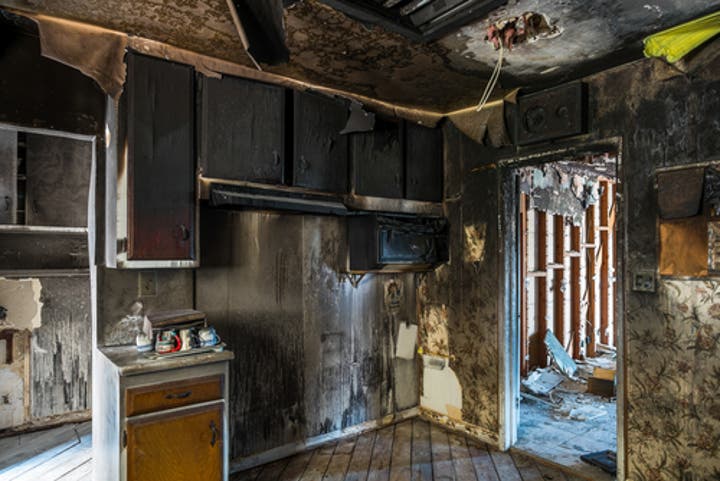
Fire damage can be devastating for homeowners and property managers in North Miami, North Miami Beach, and nearby coastal communities. While flames and smoke cause the most visible destruction, the recovery process extends far beyond surface repairs. In South Florida, humid summer months introduce additional challenges for fire damage restoration, affecting materials, indoor air quality, and the overall speed of recovery.
Understanding fire damage restoration requires recognizing the interplay between fire, smoke, water, and humidity. Real-world experiences in North Miami homes highlight common damage patterns, the importance of timely restoration, and strategies for minimizing long-term structural and environmental impacts.
What Fire Damage Restoration Involves
Fire damage restoration is a comprehensive process aimed at returning a property to safe, habitable condition. It is more than replacing charred materials; it addresses:
- Smoke and Soot Cleanup: Removing residues from walls, ceilings, furniture, and belongings.
- Structural Assessment and Repair: Inspecting and restoring wood, drywall, roofing, and flooring affected by heat or fire.
- Water Damage Mitigation: Managing water used to extinguish the fire, which can exacerbate mold and structural issues, particularly during humid months.
- Odor Removal: Treating smoke odors that can permeate HVAC systems, fabrics, and building materials.
- Content Cleaning and Restoration: Salvaging personal items, furniture, and electronics when possible.
- Preventing Secondary Damage: Controlling mold growth and corrosion caused by residual moisture.
Professional restoration ensures that damage is fully assessed and addressed, avoiding incomplete repairs that can compromise safety and property value.
Why North Miami Homes Face Unique Challenges
Several environmental and structural factors in North Miami influence fire damage restoration:
- High Humidity: Summer humidity above 70% can accelerate water absorption into building materials and furnishings, creating conditions conducive to mold growth after firefighting efforts.
- Coastal Air and Salt Exposure: Proximity to the coast can exacerbate corrosion on metals and damage electrical systems affected by fire or water.
- Continuous AC Usage: Homes often rely on air conditioning to maintain comfort, which can distribute smoke and soot through duct systems if not properly cleaned.
- Older Construction and Slab Foundations: Many properties have materials and designs that respond differently to heat, smoke, and water, requiring careful restoration planning.
- Seasonal Storms: Rain and wind during summer storms can worsen water intrusion and delay drying efforts after fire suppression.
These factors necessitate a restoration approach that addresses both immediate fire effects and the secondary impacts of humidity and water exposure.
Common Types of Fire Damage in Local Properties
Fire damage manifests in several ways, each requiring specific restoration techniques:
- Structural Damage: Heat can warp or weaken wood, melt or crack plastics, and compromise drywall and roofing materials.
- Smoke and Soot Damage: Smoke penetrates walls, ceilings, and furniture, leaving residues that can discolor surfaces and produce persistent odors.
- Water Damage: Fire suppression often introduces large volumes of water, soaking carpets, drywall, and subflooring, particularly challenging in humid conditions.
- Odor Damage: Smoke odors penetrate porous materials like fabrics, insulation, and wood, requiring professional deodorization techniques.
- Content Damage: Personal belongings, electronics, and furniture may be contaminated with smoke, soot, or water, necessitating specialized cleaning or replacement.
Each type of damage interacts with others, making a holistic approach essential. For example, water used to extinguish a fire can worsen structural and mold risks during humid summers.
Signs That Restoration Is Needed
Homeowners should look for:
- Charring or discoloration on walls, ceilings, or floors
- Smoke odor that lingers despite ventilation
- Warped or softened wood and structural components
- Water-stained surfaces or persistent dampness after firefighting
- Soot accumulation in vents, HVAC systems, or hidden areas
- Electrical issues resulting from fire or water exposure
Early recognition allows timely intervention, reducing long-term costs and preventing secondary damage.
Challenges of Humidity During Summer Restoration
High humidity in North Miami presents several challenges for fire damage restoration:
- Slower Drying Times: Moisture absorbed by drywall, flooring, and insulation takes longer to evaporate, increasing the risk of mold.
- Increased Mold Risk: Damp conditions after firefighting create ideal environments for mold growth, requiring simultaneous moisture control and remediation.
- Odor Retention: Humid conditions make it harder to remove smoke odors, as moisture retains airborne contaminants.
- Corrosion: Metals exposed to heat and water can rust faster in humid, coastal air.
Addressing these challenges requires industrial-grade dehumidifiers, air movers, and continuous monitoring to ensure materials dry thoroughly before rebuilding.
The Fire Damage Restoration Process
Professional restoration generally follows several key steps:
- Initial Assessment: Evaluating structural damage, smoke penetration, and water impact.
- Emergency Services: Boarding up windows, tarping roofs, and stabilizing structures to prevent further damage.
- Water Extraction and Drying: Removing residual water and using dehumidifiers and air movers to dry materials thoroughly.
- Smoke and Soot Cleanup: Cleaning affected surfaces with specialized equipment and techniques to remove residues.
- Odor Removal: Using ozone or hydroxyl generators, thermal fogging, or air scrubbers to eliminate smoke odors.
- Content Restoration: Cleaning, disinfecting, and restoring furniture, electronics, and personal items.
- Structural Repairs: Replacing damaged drywall, flooring, or wood and restoring the home to pre-loss condition.
- Final Verification: Ensuring materials are dry, odors are removed, and structural integrity is restored.
Each step is critical, particularly in humid conditions where moisture and mold risk are elevated.
Preventing Secondary Damage
Fire restoration must include strategies to prevent secondary damage:
- Prompt water removal to reduce mold growth
- Monitoring humidity levels during drying and restoration
- Cleaning and sealing AC ducts if smoke or soot penetrates HVAC systems
- Inspecting and repairing structural components affected by heat and moisture
Neglecting secondary damage can lead to recurring problems that compromise indoor air quality, safety, and long-term property value.
Why Local Experience Matters
North Miami presents unique restoration challenges that differ from other regions:
- Coastal humidity affects drying and odor control strategies
- Older homes and slab foundations respond differently to heat, smoke, and water
- Summer storms can complicate drying and repair efforts
- AC systems can distribute smoke and moisture throughout homes if not addressed
Restoration companies with local expertise, such as Tip Top Water and Fire Damage Restoration, understand these factors and tailor restoration plans accordingly, ensuring comprehensive recovery.
Tips for Homeowners
Homeowners can support restoration efforts by:
- Reporting fire and smoke damage promptly to reduce secondary impacts
- Documenting damage for insurance purposes
- Removing personal items from affected areas if safe to do so
- Coordinating with professionals to address both fire and water-related damage simultaneously
- Monitoring humidity levels and indoor air quality during restoration
These steps help streamline the process and protect both the home and personal belongings.
Conclusion
Fire damage restoration in North Miami during humid summer months is complex, requiring careful attention to heat, smoke, water, and humidity. Effective restoration goes beyond cleaning visible damage; it addresses structural integrity, water intrusion, mold risk, and indoor air quality.
By understanding the causes of fire-related damage, recognizing the signs that restoration is needed, and relying on professionals with local experience, homeowners and property managers in North Miami can protect their properties and restore safe, habitable environments. Comprehensive fire damage restoration ensures that homes recover fully, mitigating long-term effects from both the fire itself and the challenging South Florida climate.