
What Experienced Inspectors Look For: Flood Restoration Challenges in Aventura
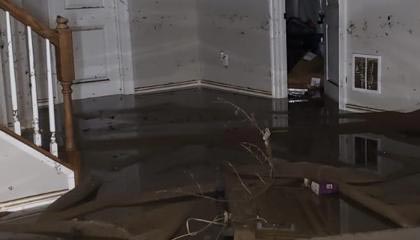
Flooding is a recurring concern for homeowners and property managers in Aventura, North Miami, and nearby coastal communities like Sunny Isles Beach, Bal Harbour, and Miami Shores. Heavy seasonal rains, hurricanes, and storm surges make flood-related water intrusion a significant risk. While some flooding is immediately visible, other instances involve hidden water that penetrates walls, floors, and crawl spaces, creating complex restoration challenges.
Experienced flood inspectors are critical in identifying these hidden issues and designing restoration strategies that minimize long-term damage. Understanding what inspectors look for and the challenges associated with flood restoration in Aventura helps homeowners make informed decisions to protect property value and ensure safe living conditions.
Understanding Flood Damage
Flood damage is more than just water entering a home. It encompasses:
- Structural Damage: Water can compromise wood framing, drywall, flooring, and foundations.
- Mold Growth: Moisture that remains after a flood creates conditions conducive to mold, which can develop quickly in South Florida’s humid environment.
- Electrical and HVAC Risk: Floodwater may reach wiring, outlets, and HVAC systems, creating safety hazards.
- Content Damage: Furniture, appliances, and personal belongings can be soaked or contaminated.
- Indoor Air Quality Concerns: Standing water and humidity can introduce odors and promote microbial growth.
In Aventura, flood damage is often exacerbated by coastal factors such as high tides, proximity to Biscayne Bay, and salt-laden air.
Common Causes of Flooding in Aventura
Flooding in Aventura properties usually arises from a combination of natural and structural factors:
1. Heavy Seasonal Rains and Storms
Florida’s summer months bring intense thunderstorms, sometimes producing rapid accumulation of water. Low-lying areas, poor drainage systems, or blocked storm drains can worsen water intrusion.
2. Hurricane and Tropical Storm Surge
Storm surges push coastal water inland, impacting slab foundations and basements. Even when direct flooding is avoided, water can seep into lower floors and crawl spaces, creating hidden moisture problems.
3. Plumbing and Drainage Failures
Leaking pipes, clogged drains, or failed sump pumps can contribute to water buildup, particularly during heavy rain events. These problems often go unnoticed until damage has already begun.
4. Slab Foundation Moisture
Many Aventura homes are built on slab foundations. Water can seep upward through concrete, affecting flooring, baseboards, and lower walls, and creating conditions for mold growth.
5. Poor Maintenance and Ventilation
Attics, crawl spaces, and enclosed areas without proper ventilation retain moisture. In humid environments, this trapped water contributes to persistent dampness and hidden flood damage.
What Inspectors Look for During Flood Assessments
Experienced flood inspectors approach each property systematically, looking for visible and hidden indicators of water damage:
1. Moisture Mapping
- Inspectors use moisture meters and thermal imaging cameras to detect areas with elevated moisture levels.
- Mapping helps determine how far water has traveled through walls, floors, and ceilings.
- Moisture detection is critical in identifying areas that are at risk of mold growth if not properly dried.
2. Structural Integrity Assessment
- Inspectors examine wood framing, flooring, drywall, and foundations for signs of warping, swelling, or deterioration.
- Compromised structural elements may need repair or replacement to ensure safety.
- In slab foundations, inspectors monitor for cracks and seepage points where water may have infiltrated.
3. HVAC and Ductwork Inspection
- Floodwater and humidity can enter HVAC systems, contaminating ducts with microbial growth.
- Inspectors check condensate lines, drip pans, coils, and duct interiors to prevent the spread of moisture and contaminants throughout the home.
4. Electrical and Safety Hazards
- Flooded areas pose electrical risks, particularly if water has contacted outlets, wiring, or appliances.
- Inspectors identify unsafe conditions and recommend professional remediation before restoration work begins.
5. Hidden Contamination Sources
- Crawl spaces, attics, behind cabinetry, and under flooring are common hidden flood zones.
- Inspectors use specialized tools to detect moisture that is not immediately visible to homeowners.
6. Signs of Mold or Microbial Growth
- Floodwater, combined with high humidity, accelerates mold development.
- Inspectors look for discoloration, musty odors, or early fungal growth to plan timely remediation.
Challenges of Flood Restoration in Coastal Aventura
Flood restoration in Aventura presents several unique challenges for inspectors and restoration professionals:
1. High Humidity
- Humid air slows the drying of water-saturated materials.
- Persistent moisture increases the risk of mold and wood rot, requiring continuous monitoring and dehumidification.
2. Salt-Laden Coastal Air
- Salt from nearby Biscayne Bay can corrode metals, HVAC components, and appliances.
- Salt deposits on surfaces require additional cleaning and may accelerate material degradation.
3. Hidden Water Damage
- Water can migrate through slab foundations, walls, and flooring, remaining undetected.
- Early detection requires specialized equipment and expertise to prevent long-term structural and microbial damage.
4. Mold Risk and Secondary Damage
- Secondary damage from mold, mildew, and microbial growth is a major concern after flooding.
- Restoration must address both water removal and mold prevention simultaneously to avoid recurring issues.
5. Time-Sensitive Restoration Needs
- Coastal weather and high humidity can accelerate damage progression.
- Delay in inspection and water removal increases restoration costs and complexity.
Step-by-Step Flood Restoration Process
Professional flood restoration generally follows a structured approach:
1. Emergency Response
- Secure the property and remove standing water.
- Stabilize structures to prevent further damage.
2. Water Extraction and Drying
- Use industrial pumps, air movers, and dehumidifiers to remove water and reduce moisture levels.
- Monitor humidity to ensure materials dry completely, preventing mold growth.
3. Cleaning and Sanitization
- Remove debris and disinfect affected surfaces to prevent microbial contamination.
- Clean HVAC systems if exposed to water or moisture.
4. Material Repair and Replacement
- Replace damaged drywall, insulation, flooring, or wood structures.
- Ensure structural integrity is restored before reinstallation of finishes.
5. Mold Prevention and Monitoring
- Apply antimicrobial treatments to prevent mold growth.
- Continue monitoring humidity and moisture levels during and after restoration.
6. Final Verification
- Inspectors conduct post-restoration assessments to confirm water and mold have been fully addressed.
- Verification ensures safe and habitable living conditions for occupants.
Preventive Measures for Homeowners
Homeowners can take several steps to reduce flood risks and simplify restoration:
- Maintain roofs, gutters, and drainage systems to prevent water intrusion.
- Inspect and maintain plumbing, sump pumps, and drainage systems regularly.
- Use dehumidifiers in enclosed areas such as crawl spaces and attics.
- Seal slab foundations and monitor flooring for signs of moisture.
- Schedule routine inspections, especially after storms or heavy rainfall.
Proactive maintenance reduces both the severity of flood damage and the cost of restoration.
Importance of Local Expertise
Aventura’s coastal location presents unique challenges for flood restoration:
- Seasonal rains and storm surges can rapidly change the extent of flooding.
- Slab foundations and older building materials respond differently to water intrusion than newer structures.
- Coastal humidity affects drying times, mold risk, and overall restoration strategies.
Local companies like Tip Top Water and Fire Damage Restoration bring expertise in these conditions, ensuring inspections are thorough and restoration is tailored to the environment.
Conclusion
Flood restoration in Aventura is a complex process that requires careful inspection, timely water removal, structural assessment, and mold prevention. Experienced inspectors focus on hidden moisture, structural integrity, HVAC contamination, and microbial risks, all of which are influenced by coastal weather conditions, high humidity, and salt exposure.
Understanding these challenges allows homeowners and property managers to respond proactively, minimize long-term damage, and ensure safe, healthy living environments. Comprehensive flood restoration, guided by local expertise, not only restores homes after water intrusion but also protects property value and reduces the risk of future problems in Aventura’s unique coastal climate.