
Property Maintenance Insights: Mold Remediation in Miami Shores
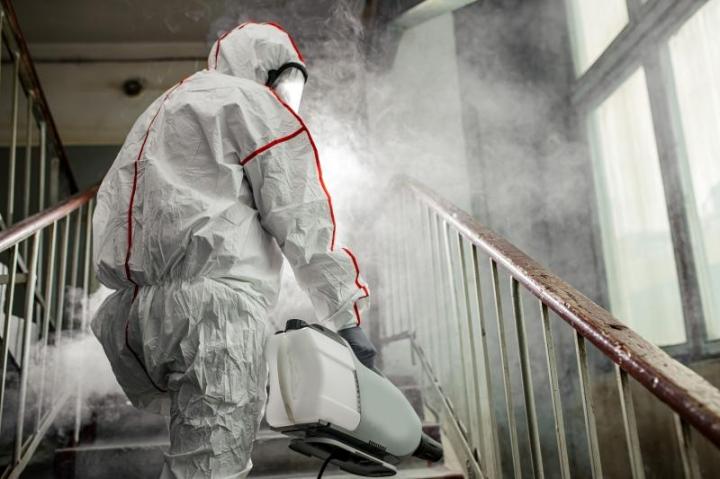
Mold growth is a persistent challenge for homeowners and property managers in Miami Shores, North Miami, and surrounding coastal communities like Aventura, Sunny Isles Beach, Bal Harbour, and Biscayne Park. Florida’s humid climate, frequent summer rains, and occasional flooding create ideal conditions for mold to thrive. While visible mold is concerning, hidden mold often causes more significant damage to homes and indoor air quality, especially when left untreated.
Proper mold remediation is not simply a cosmetic fix; it is a comprehensive process that addresses moisture sources, structural integrity, and microbial growth. Understanding the signs of mold, the causes, and the professional approach to remediation is essential for maintaining healthy homes and protecting property value in Miami Shores.
Understanding Mold and Its Causes
Mold is a type of fungus that grows in moist, warm environments. In coastal Florida homes, common causes include:
- High Humidity: Miami Shores regularly experiences humidity levels above 70%, which allows mold spores to settle and thrive on surfaces.
- Water Intrusion: Leaks from roofs, windows, plumbing, or flooding introduce moisture into walls, floors, and ceilings.
- AC Condensation: Improperly maintained air conditioning units can create damp areas around drip pans and coils.
- Poor Ventilation: Enclosed spaces such as attics, crawl spaces, and bathrooms without adequate airflow trap moisture and foster mold growth.
- Flooding or Storm Damage: Heavy rains and hurricanes can lead to standing water and seepage, accelerating mold colonization.
Understanding these factors is the first step in preventing and addressing mold in Miami Shores homes.
Common Signs of Mold in Homes
Homeowners may notice a range of indicators that mold is present:
- Musty or earthy odors
- Visible discoloration or patches on walls, ceilings, or flooring
- Peeling or bubbling paint
- Warped or swollen drywall or wood
- Increased allergy symptoms or respiratory irritation among residents
- Condensation or moisture buildup in certain areas
Even if mold is not visible, hidden mold may be growing behind walls, under flooring, or inside ductwork, making professional inspection crucial.
Why DIY Mold Removal Often Fails
Many homeowners attempt to remove mold using household cleaners or temporary fixes. However, DIY methods rarely address the root causes:
- Superficial Cleaning: Wiping surfaces may remove visible mold but leaves spores and moisture behind, allowing regrowth.
- Hidden Contamination: Mold can penetrate porous materials such as drywall, insulation, and carpeting, which require professional removal.
- Inadequate Equipment: Proper mold remediation requires containment, HEPA filtration, and industrial-grade cleaning agents that are not typically available to homeowners.
- Cross-Contamination: Improper removal can spread spores to other areas of the home, exacerbating the problem.
Professional mold remediation ensures that both visible and hidden mold are safely and effectively eliminated.
Professional Mold Inspection and Testing
Effective mold remediation begins with a thorough inspection and testing process:
- Visual Inspection: Identify visible mold and areas of water damage or moisture accumulation.
- Moisture Detection: Use moisture meters and thermal imaging cameras to detect hidden damp areas that could harbor mold.
- Air Sampling: Collect air samples to measure mold spore concentrations and determine the types present.
- Surface Testing: Swab surfaces to identify the extent and type of mold contamination.
This data guides the remediation process and ensures that all affected areas are treated appropriately.
Proper Mold Removal and Remediation Process
Mold remediation in Miami Shores follows a systematic, multi-step approach:
1. Containment
- Seal off affected areas using plastic barriers and negative air pressure to prevent spores from spreading.
- Ensure that HVAC systems are protected to avoid cross-contamination.
2. Removal of Contaminated Materials
- Porous materials heavily contaminated with mold, such as drywall, insulation, and carpets, are removed and disposed of.
- Salvageable materials are cleaned and treated with antimicrobial solutions.
3. Cleaning and Disinfection
- Non-porous surfaces are cleaned with professional-grade agents to remove mold residues.
- Specialized equipment, including HEPA vacuums, ensures that spores are captured during cleaning.
4. Drying and Moisture Control
- Industrial dehumidifiers and air movers are used to dry affected areas thoroughly.
- Moisture levels are continuously monitored to prevent regrowth.
5. Post-Remediation Verification
- Conduct follow-up inspections and air testing to confirm that mold has been successfully removed.
- Ensure that the indoor environment meets safe air quality standards.
Flood Restoration and Water Damage Repair
Mold often results from water intrusion, making water damage repair an integral part of mold remediation:
- Remove standing water using pumps or wet vacuums
- Dry floors, walls, and structural components thoroughly
- Repair leaks, roof damage, or plumbing issues that contributed to the moisture problem
- Use moisture-resistant materials where appropriate to prevent future mold growth
Prompt water removal and repair reduce both mold growth and long-term damage to homes.
Air Ducts, AC Systems, and Mold
HVAC systems can spread mold spores throughout a home if not properly maintained:
- Inspect and clean air ducts using HEPA filtration to remove dust, mold, and debris
- Check AC units, coils, and drip pans for mold or moisture buildup
- Replace filters regularly to maintain airflow and air quality
Ensuring that the entire HVAC system is clean and functional is a critical step in restoring safe indoor air.
Preventing Mold in Miami Shores Homes
Prevention is always preferable to remediation. Homeowners can take several steps to reduce mold risk:
- Maintain indoor humidity below 60% using dehumidifiers and air conditioning
- Inspect roofs, windows, and plumbing regularly to detect leaks early
- Improve ventilation in attics, bathrooms, and kitchens
- Use moisture-resistant building materials in vulnerable areas
- Schedule periodic professional inspections, especially after storms or water incidents
Proactive maintenance limits mold growth and minimizes the need for extensive remediation.
Why Local Expertise Matters
Miami Shores presents unique challenges due to coastal humidity, salt-laden air, and frequent summer rains:
- Moisture management requires knowledge of local building materials and construction methods
- Understanding airflow patterns in humid coastal homes ensures proper ventilation and drying
- Salt exposure affects metals, HVAC components, and surfaces during cleaning and remediation
Tip Top Water and Fire Damage Restoration has extensive experience with local conditions, providing tailored mold remediation solutions that effectively address these environmental factors.
Conclusion
Mold remediation in Miami Shores is a critical aspect of property maintenance. Ignoring mold can lead to structural damage, persistent odors, HVAC contamination, and reduced indoor air quality. Coastal humidity, water intrusion, and poor ventilation make homes in this area particularly susceptible.
Professional remediation involves inspection, moisture detection, containment, removal of contaminated materials, cleaning, drying, and verification. Combined with flood restoration, HVAC maintenance, and preventive measures, this comprehensive approach ensures that homes remain safe, comfortable, and free from mold-related issues.
Investing in expert mold remediation not only protects the health of residents but also preserves property value and minimizes long-term maintenance costs in Miami Shores’ unique coastal environment.