
Why Mold Remediation Becomes Necessary in Coastal Neighborhoods Near Biscayne Bay in Waterfront Properties
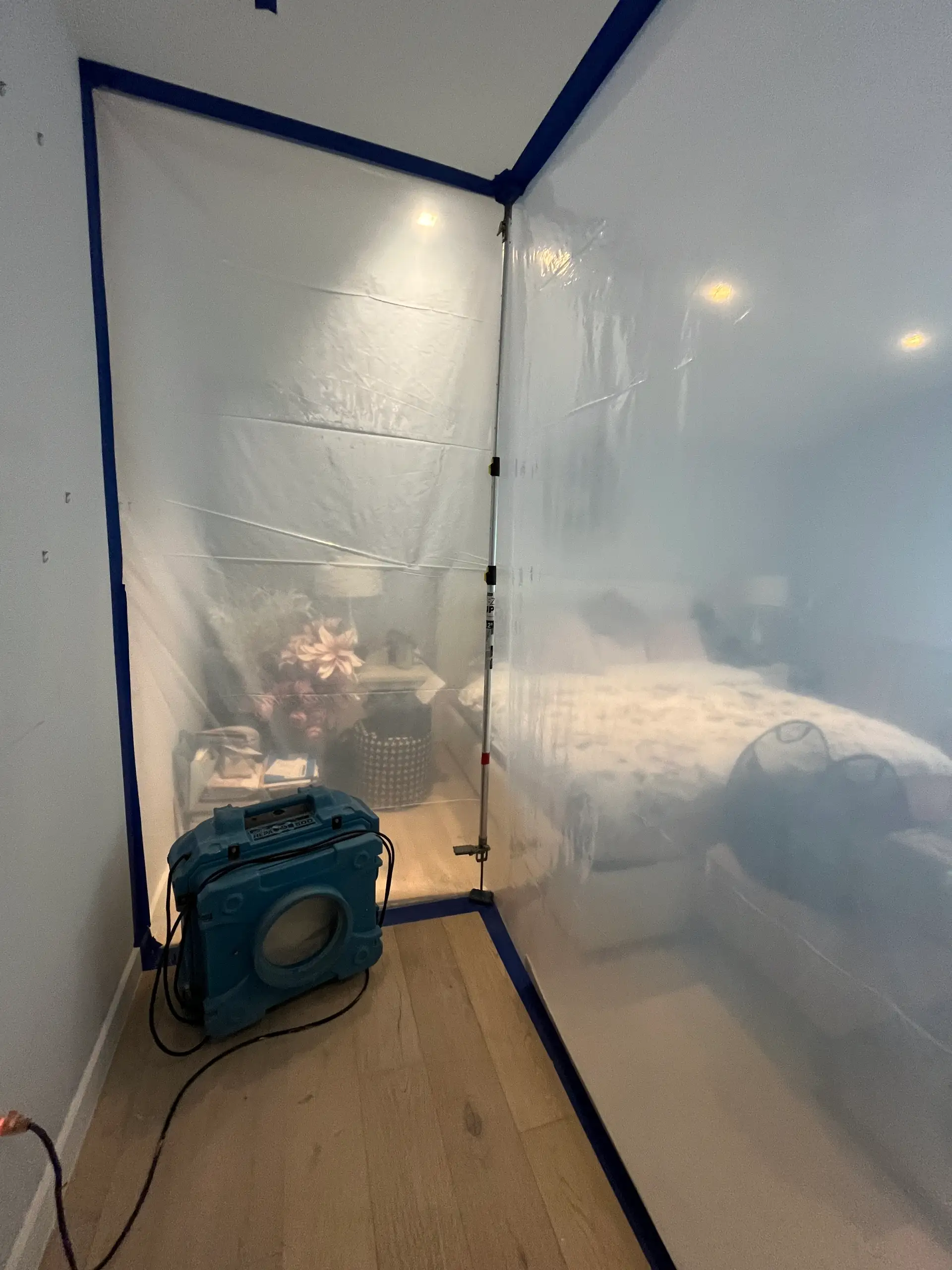
Waterfront properties near Biscayne Bay in North Miami, Miami Shores, Sunny Isles Beach, and Aventura offer stunning views and prime coastal living. However, these properties also face unique environmental challenges that make them especially vulnerable to mold growth. High humidity, salt-laden air, frequent summer storms, and proximity to tidal waters create conditions that can quickly foster moisture accumulation. When unchecked, this moisture leads to mold, which can compromise indoor air quality, damage structural elements, and reduce property value.
Mold remediation in these coastal neighborhoods is not a cosmetic consideration—it is an essential aspect of property maintenance. This guide explains why mold becomes a problem in Biscayne Bay waterfront homes, the warning signs homeowners should watch for, the challenges of DIY remediation, and the professional processes used to restore homes safely and effectively.
Understanding Mold in Coastal Homes
Mold is a type of fungus that reproduces via spores, which are virtually everywhere in the environment. In coastal homes, these spores find fertile ground for growth due to persistent moisture, warmth, and limited ventilation. Common factors contributing to mold in Biscayne Bay waterfront homes include:
- High Humidity: Summer months in coastal Florida often bring relative humidity levels above 70–80%, creating ideal conditions for mold growth on walls, ceilings, and flooring.
- Salt-Laden Air: Proximity to the bay introduces salt particles that interact with moisture to accelerate corrosion and microbial activity.
- Water Intrusion: Leaks from roofs, windows, sliding glass doors, or plumbing allow water to seep into walls, floors, and attics.
- AC Condensation: Air conditioning units produce condensation that can accumulate if drain lines are clogged or drip pans are improperly maintained.
- Flooding and Storm Surges: Heavy rainfall, hurricanes, and tidal flooding can introduce significant amounts of water, creating ideal conditions for rapid mold growth.
These factors make waterfront homes particularly prone to mold, both on visible surfaces and hidden behind walls or under flooring.
Common Warning Signs of Mold
Early detection is key to preventing extensive damage. Homeowners should be alert for these common signs of mold infestation:
- Musty, earthy odors that persist even after cleaning
- Discoloration, streaking, or staining on walls, ceilings, and floors
- Peeling paint or wallpaper, or bubbling surfaces
- Warping, soft spots, or deterioration of wood or drywall
- Increased dust or particulate matter in the air
- Health symptoms such as allergic reactions or respiratory irritation among residents
In many waterfront homes, mold is often hidden in attics, crawl spaces, behind cabinets, or inside ductwork. Professional inspection is critical to uncovering these concealed problems.
Why Mold Remediation Is Often Necessary
Mold remediation becomes essential when moisture is present long enough to allow mold colonies to establish and spread. Reasons professional remediation is necessary include:
1. Structural Protection
Mold can compromise the integrity of building materials:
- Drywall absorbs moisture and becomes weak, leading to sagging or collapse
- Wooden structural components can rot, warp, or lose load-bearing capacity
- Flooring, including hardwood or laminate, may swell, buckle, or deteriorate
Prompt remediation addresses both the mold and underlying moisture issues, preventing long-term structural damage.
2. Indoor Air Quality Preservation
Mold releases spores and microbial volatile organic compounds (MVOCs) into the air:
- Spores circulate through HVAC systems and ductwork
- Contaminated air can trigger allergies, asthma, or other respiratory issues
- Stale or musty odors persist without proper remediation
Professional mold remediation ensures that both visible and airborne contaminants are removed, improving air quality and occupant comfort.
3. Prevention of Recurrence
Simply cleaning visible mold with household products rarely eliminates the underlying problem. Without addressing moisture sources:
- Mold will regrow, often more extensively than before
- Hidden colonies behind walls, under flooring, or in ductwork can remain active
- Homeowners may face repeated remediation efforts and escalating costs
Professional remediation targets both mold and moisture, minimizing the risk of recurrence.
4. Health Considerations
While mold exposure does not automatically create severe health issues for every resident, chronic exposure can contribute to:
- Allergic reactions including sneezing, congestion, and itchy eyes
- Respiratory irritation or asthma flare-ups
- Fatigue or headaches from prolonged exposure to MVOCs
Reducing mold and moisture is essential for maintaining a safe living environment, particularly for sensitive individuals or families with children.
Why DIY Mold Removal Often Fails
Many homeowners attempt DIY mold removal, but coastal conditions make this approach risky:
- Household cleaners may remove surface mold but leave spores and moisture behind
- Hidden mold colonies behind walls or under flooring go untreated
- Improper containment spreads spores to other parts of the home
- Inadequate drying allows mold to return within days
Waterfront homes often require specialized equipment and containment procedures due to high humidity and the risk of cross-contamination.
Professional Mold Remediation Process
Expert mold remediation follows a structured, multi-step approach to ensure effective removal and prevention:
Step 1: Inspection and Assessment
- Conduct a visual inspection of the property for mold, water stains, and moisture intrusion
- Use moisture meters and thermal imaging cameras to detect hidden damp areas
- Collect air and surface samples for lab analysis when necessary
Step 2: Containment
- Isolate affected areas using plastic barriers and negative air pressure to prevent spore spread
- Protect unaffected areas and HVAC systems during remediation
Step 3: Removal of Contaminated Materials
- Remove heavily contaminated, porous materials such as drywall, insulation, and carpeting
- Salvageable materials are cleaned and treated with antimicrobial solutions
Step 4: Cleaning and Disinfection
- Clean non-porous surfaces with industrial-grade cleaners and HEPA vacuum systems
- Ensure all residues are removed, and spores are contained
Step 5: Drying and Moisture Control
- Use industrial dehumidifiers, air movers, and ventilation to thoroughly dry affected areas
- Monitor moisture levels continuously to prevent regrowth
Step 6: Post-Remediation Verification
- Conduct follow-up inspections and air testing to confirm mold removal
- Ensure the property meets safe indoor air quality standards before reoccupancy
Integrating Mold Remediation With Flood and Water Damage Management
Waterfront homes are particularly prone to water intrusion, making integrated flood restoration essential:
- Remove standing water promptly after storms or leaks
- Dry walls, floors, and structural components thoroughly
- Repair roofs, windows, or plumbing that contribute to water intrusion
- Consider moisture-resistant materials for areas prone to flooding
Addressing both mold and water damage simultaneously ensures long-term protection of waterfront homes.
Preventing Mold in Coastal Waterfront Homes
Proactive measures help reduce the risk of mold growth in Biscayne Bay properties:
- Maintain indoor humidity below 60% with dehumidifiers and AC units
- Inspect roofs, windows, and plumbing regularly for leaks
- Ensure proper ventilation in bathrooms, kitchens, attics, and crawl spaces
- Schedule periodic professional inspections, particularly after storms
- Clean and maintain HVAC systems, including ducts and drip pans, to prevent moisture accumulation
Regular monitoring and maintenance are key to avoiding expensive remediation and preserving property value.
Why Local Expertise Matters
Waterfront homes near Biscayne Bay face environmental challenges that require local expertise:
- Coastal humidity accelerates mold growth
- Salt-laden air corrodes HVAC systems and building materials
- Storms and tidal flooding increase the likelihood of hidden water intrusion
Professionals like Tip Top Water and Fire Damage Restoration have extensive experience with local coastal conditions, ensuring that mold remediation is thorough, safe, and tailored to the unique needs of waterfront properties.
Conclusion
Mold remediation is a critical aspect of property maintenance for waterfront homes near Biscayne Bay. Coastal humidity, salt-laden air, and exposure to storms create ideal conditions for mold growth, which can compromise structural integrity, indoor air quality, and overall comfort.
Professional mold remediation addresses both visible and hidden mold while targeting underlying moisture sources. Combined with flood restoration, HVAC maintenance, and proactive preventive measures, this comprehensive approach safeguards homes from long-term damage and recurring mold problems.
For homeowners in Miami Shores, North Miami, Sunny Isles Beach, and Aventura, timely mold remediation protects both property value and resident health, ensuring that coastal living remains safe, comfortable, and enjoyable.