
Moisture Detection in Sunny Isles Beach During Humid Summer Months: What to Watch For
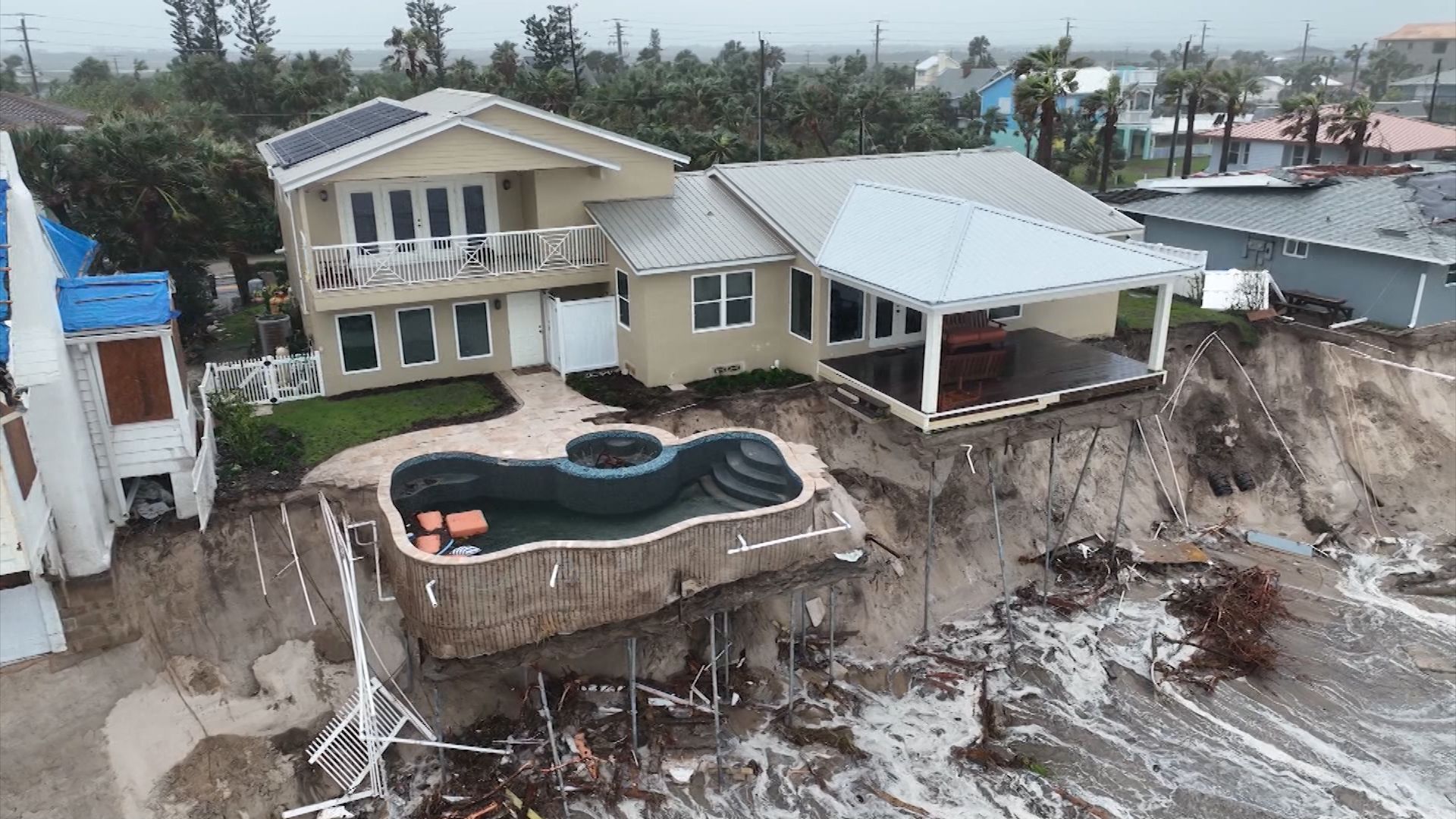
Sunny Isles Beach, like much of coastal South Florida, presents homeowners with unique challenges when it comes to managing moisture. High summer humidity, frequent tropical storms, and salt-laden air from Biscayne Bay create conditions that encourage water intrusion, condensation, and hidden dampness. Left unaddressed, moisture can lead to mold growth, structural damage, HVAC problems, and poor indoor air quality.
Understanding how to detect moisture early, what signs to watch for, and how to prevent or mitigate problems is critical for homeowners and property managers in Sunny Isles Beach, as well as nearby communities including North Miami, Aventura, Bal Harbour, Miami Shores, and North Miami Beach.
Why Moisture Detection Matters in Coastal Homes
Moisture detection is essential because water intrusion often occurs in hidden areas, behind walls, under flooring, or inside HVAC systems. Coastal homes are particularly susceptible due to:
- High Humidity: Summer months regularly see humidity levels above 70%, promoting condensation on windows, walls, and AC units.
- Storms and Flooding: Heavy rainfall, hurricanes, and tidal surges can introduce water into basements, crawl spaces, or slab foundations.
- Salt Exposure: Salt-laden air accelerates the deterioration of metals and building materials when combined with moisture.
- AC Condensation: Air conditioning systems produce water that, if mismanaged, contributes to hidden dampness.
Early moisture detection prevents problems from escalating into mold infestations, structural damage, or HVAC contamination.
Common Sources of Moisture in Sunny Isles Beach Homes
Identifying potential sources is the first step in preventing water-related damage:
1. Plumbing Leaks
- Burst or corroded pipes
- Loose fittings and joints
- Leaking fixtures in kitchens, bathrooms, and laundry areas
2. Roof and Window Leaks
- Damaged shingles, flashing, or seals
- Clogged gutters leading to overflow and wall seepage
3. AC Systems and Ductwork
- Condensation from evaporator coils
- Clogged or improperly maintained drain pans
- Moisture accumulation inside ducts
4. Slab and Foundation Intrusion
- Water seepage into slabs during heavy rains or high tides
- Hydrostatic pressure forcing moisture through flooring and walls
5. Flooding and Storm Damage
- Hurricanes or tropical storms introduce standing water and water intrusion
- Water can enter through doors, windows, or ground-level openings
6. Appliances and Water-Heated Equipment
- Dishwashers, washing machines, water heaters, and ice makers can develop leaks
- Small, unnoticed leaks can saturate surrounding flooring and cabinetry over time
Signs That Moisture May Be Present
Even minor moisture problems often show subtle signs before major damage occurs. Homeowners should watch for:
- Musty or earthy odors
- Discoloration or staining on walls, ceilings, or floors
- Warped or soft flooring
- Bubbling, peeling, or cracking paint or wallpaper
- Persistent condensation on windows or AC units
- Higher-than-usual water bills
- Reduced water pressure or slow drains
These indicators often reveal hidden moisture that may otherwise go undetected.
The Risks of Ignoring Moisture
Failing to detect and address moisture early can lead to:
1. Mold Growth
Moisture is the primary catalyst for mold. In humid coastal homes, mold can appear within 24–48 hours after water exposure, especially in hidden areas like:
- Behind walls
- Under carpets or laminate flooring
- In attics or crawl spaces
- Inside HVAC ductwork
Mold growth leads to unpleasant odors, potential health concerns, and structural degradation.
2. Structural Damage
Persistent moisture can compromise building materials:
- Wood framing may warp or rot
- Drywall and insulation may lose integrity
- Flooring can swell, buckle, or deteriorate
3. HVAC Contamination
- Mold and moisture in ducts reduce air quality and comfort
- AC systems may become less efficient and require costly repairs
4. Reduced Indoor Air Quality
- Airborne spores and microbial contaminants can exacerbate allergies and respiratory issues
- Musty odors can linger, creating an uncomfortable environment
Tools and Techniques for Moisture Detection
Professional moisture detection uses a combination of tools to identify hidden water:
1. Moisture Meters
- Pin-type meters measure moisture content inside materials
- Pinless meters scan surfaces for elevated moisture levels
2. Thermal Imaging Cameras
- Detect temperature anomalies caused by moisture
- Reveal hidden water behind walls, ceilings, and floors
3. Infrared Sensors and Hygrometers
- Measure relative humidity in enclosed spaces
- Useful for monitoring attics, crawl spaces, and enclosed rooms
4. Acoustic Leak Detection
- Amplifies sounds of water escaping from pipes
- Useful for pressurized plumbing systems
5. Video Pipe Inspection
- Cameras inserted into plumbing lines detect leaks, corrosion, and blockages
- Reduces the need for destructive wall or floor demolition
These tools allow for precise detection, enabling targeted remediation before major damage occurs.
Step-by-Step Moisture Detection Process
Professional moisture detection generally follows a systematic process:
Step 1: Initial Assessment
- Review the home’s history, including prior leaks, water damage, and AC issues
- Conduct a visual inspection for obvious signs of moisture
Step 2: Moisture Mapping
- Use moisture meters and thermal cameras to identify hidden damp areas
- Create a moisture map of the home to guide remediation or repairs
Step 3: Plumbing and HVAC Evaluation
- Inspect pipes, fixtures, appliances, and AC systems for leaks or condensation
- Check ductwork for moisture accumulation and microbial growth
Step 4: Verification and Documentation
- Confirm the source and extent of moisture
- Provide homeowners with a detailed report including findings, photos, and recommendations
Step 5: Preventive Measures
- Recommend repairs, dehumidification, or mold remediation as needed
- Schedule follow-up inspections to ensure moisture levels remain under control
Practical Maintenance Tips for Homeowners
To prevent moisture-related issues during humid summer months, homeowners in Sunny Isles Beach should consider:
- Maintaining indoor humidity below 60% using AC and dehumidifiers
- Inspecting plumbing, roofs, and windows regularly for leaks
- Ventilating attics, bathrooms, and kitchens effectively
- Monitoring AC drip pans, drain lines, and ductwork for condensation
- Promptly repairing water damage after storms or leaks
- Scheduling periodic professional inspections, especially after heavy rains
These steps help prevent mold, structural damage, and indoor air quality issues.
Why Local Expertise Matters
Sunny Isles Beach homes face unique environmental conditions that require experienced local professionals:
- High summer humidity accelerates moisture accumulation and mold growth
- Salt-laden coastal air contributes to corrosion of HVAC systems and building materials
- Storms and seasonal flooding increase the risk of hidden water intrusion
Local professionals, such as Tip Top Water and Fire Damage Restoration, understand these challenges and can tailor moisture detection, remediation, and prevention strategies to the specific needs of coastal homes.
Conclusion
Moisture detection is a critical component of home maintenance in Sunny Isles Beach, particularly during humid summer months. Coastal humidity, storm risks, AC condensation, and salt-laden air create conditions that can lead to hidden water intrusion, mold growth, structural damage, and reduced indoor air quality.
Professional moisture detection uses advanced tools such as moisture meters, thermal imaging, acoustic testing, and video pipe inspections to identify problems early. Combined with proactive maintenance—controlling humidity, inspecting plumbing and roofs, ventilating enclosed spaces, and monitoring HVAC systems—these measures protect property value, ensure safe living conditions, and reduce costly repairs.
By understanding what to watch for and integrating professional moisture detection into routine property care, homeowners in Sunny Isles Beach can maintain healthy, comfortable, and resilient coastal homes despite the challenges posed by Florida’s humid summer environment.