
Mold Inspection in Bal Harbour: A Practical Home Maintenance Guide
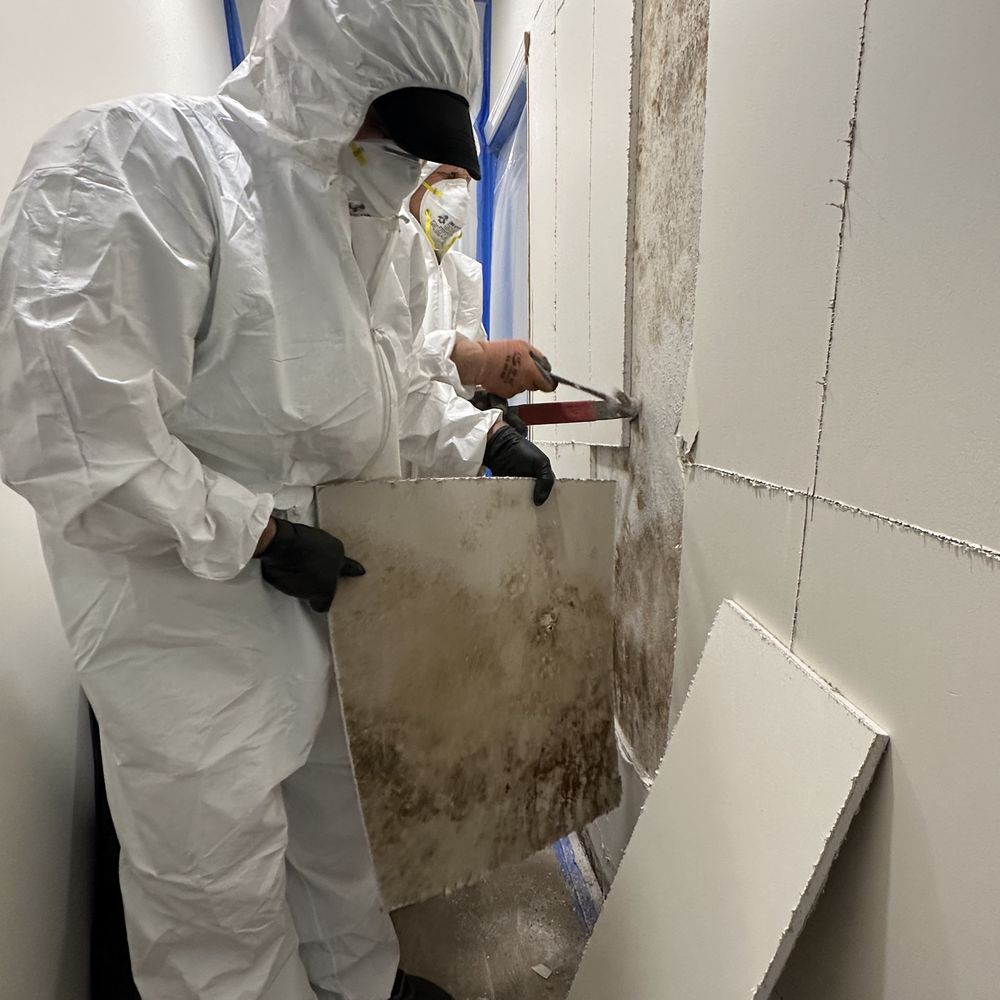
Bal Harbour, located along Florida’s northeastern coast, is known for its waterfront properties, luxury residences, and proximity to Biscayne Bay. While these homes offer spectacular views and coastal living, they also face unique environmental challenges, particularly when it comes to moisture and mold. High humidity, frequent summer storms, AC condensation, and exposure to salt-laden coastal air create ideal conditions for mold growth, often in areas that are difficult to see or access.
Mold inspection is a critical part of home maintenance in Bal Harbour. Identifying mold early, understanding where it might develop, and addressing it promptly can prevent structural damage, improve indoor air quality, and protect the health of residents. This guide provides practical advice for homeowners and property managers on conducting effective mold inspections and maintaining a healthy, safe home.
Understanding Mold and Its Risks
Mold is a type of fungus that reproduces through spores, which are virtually everywhere. In coastal homes like those in Bal Harbour, mold thrives in environments with:
- High Humidity: Summer humidity often exceeds 70–80%, providing the moisture necessary for spores to germinate.
- Water Intrusion: Leaks from roofs, windows, or plumbing allow water to penetrate walls, ceilings, and floors.
- AC Condensation: Air conditioning units generate condensation that can accumulate in drain pans, ducts, or surrounding areas.
- Flooding and Storm Damage: Hurricanes, tropical storms, and tidal surges introduce water into basements, crawl spaces, and slab foundations.
- Poor Ventilation: Enclosed areas like attics, closets, and bathrooms can trap moisture, creating ideal conditions for mold growth.
Unchecked mold can cause damage to drywall, wood, insulation, and flooring. It can also compromise indoor air quality, leading to musty odors and potential respiratory irritants circulating throughout the home.
Why Mold Inspection Is Essential
Mold inspection serves multiple critical purposes in home maintenance:
- Early Detection: Mold can grow behind walls, under flooring, and in ductwork. Early inspection identifies hidden problems before they escalate.
- Protecting Structural Integrity: Mold degrades building materials, including wood framing, drywall, and flooring. Detecting mold early prevents widespread structural damage.
- Maintaining Indoor Air Quality: Mold spores and microbial volatile organic compounds (MVOCs) can negatively impact indoor air, causing odors and potential irritation.
- Preventing Recurrence: Professional inspections identify moisture sources that fuel mold growth, allowing homeowners to address the root causes.
- Compliance and Documentation: For landlords, property managers, or those selling a home, inspection reports document the property’s condition and demonstrate proactive maintenance.
Common Signs That Mold May Be Present
Homeowners in Bal Harbour should watch for visible and subtle indicators of mold growth:
- Musty or earthy odors
- Discoloration, streaking, or staining on walls or ceilings
- Warped, soft, or buckled flooring
- Bubbling or peeling paint or wallpaper
- Condensation on windows, baseboards, or AC units
- Allergy-like symptoms among residents, including sneezing, coughing, or irritated eyes
Even when mold is not visible, these signs often indicate hidden moisture problems that require professional attention.
Professional Mold Inspection Techniques
A thorough mold inspection combines visual assessment with advanced tools to detect hidden moisture and contamination. Common techniques include:
1. Moisture Meters
- Measure the moisture content of materials such as wood, drywall, and concrete.
- Pin-type meters detect moisture within the material, while pinless meters scan surfaces for elevated levels.
2. Thermal Imaging Cameras
- Detect temperature anomalies caused by moisture accumulation.
- Reveal hidden leaks behind walls, ceilings, and floors without invasive investigation.
3. Infrared Sensors and Hygrometers
- Measure relative humidity in enclosed spaces like attics, crawl spaces, and closets.
- Help monitor areas prone to condensation and water accumulation.
4. Air and Surface Sampling
- Collect air samples to measure spore concentrations.
- Swab surfaces for laboratory analysis to identify mold species.
5. Video Pipe Inspection
- Cameras inserted into plumbing lines detect leaks, blockages, or corrosion that may lead to moisture intrusion.
Using these techniques, inspectors can accurately identify both visible and hidden mold, map the extent of contamination, and determine the sources of moisture fueling growth.
Step-by-Step Mold Inspection Process
Professional mold inspection generally follows a structured process:
Step 1: Initial Assessment
- Review the home’s history, including past leaks, water damage, and HVAC issues.
- Conduct a visual survey for stains, discoloration, or signs of water intrusion.
Step 2: Moisture Mapping
- Use moisture meters and thermal imaging to identify damp areas.
- Create a moisture map to pinpoint areas at high risk for mold growth.
Step 3: Targeted Testing
- Conduct air and surface sampling in areas of concern.
- Inspect plumbing, AC systems, and appliances for leaks or condensation.
Step 4: Verification and Documentation
- Compile findings, including photos and moisture readings.
- Provide a detailed report outlining the extent of contamination and recommendations.
Step 5: Recommendations
- Advise on remediation strategies if mold is detected.
- Recommend ongoing monitoring or preventive measures to reduce future risks.
Preventive Maintenance After Inspection
Regular maintenance reduces the risk of mold recurrence. Homeowners in Bal Harbour should consider:
- Controlling Humidity: Maintain indoor humidity below 60% using dehumidifiers and air conditioning.
- Inspecting Plumbing and Roofs: Check for leaks in pipes, roofs, windows, and sliding doors.
- Proper Ventilation: Ensure bathrooms, kitchens, attics, and closets are adequately ventilated.
- Monitoring HVAC Systems: Keep ducts clean and ensure condensation is properly drained.
- Using Moisture-Resistant Materials: Apply water-resistant drywall or flooring in areas prone to moisture.
- Periodic Professional Inspections: Conduct inspections after storms, hurricanes, or seasonal humidity spikes.
These steps minimize the likelihood of mold growth and protect both the property’s value and residents’ health.
Challenges Specific to Coastal Homes
Bal Harbour homes face environmental conditions that increase mold risks:
- Coastal humidity accelerates moisture accumulation.
- Salt-laden air contributes to corrosion of HVAC components and structural materials.
- Tropical storms and heavy rains increase the likelihood of hidden water intrusion.
- Older construction or slab foundations may have concealed areas where moisture collects.
Local expertise is essential for effective mold inspection, as professionals understand these challenges and can identify areas that are commonly overlooked.
Why Local Expertise Matters
Companies like Tip Top Water and Fire Damage Restoration have extensive experience in North Miami Beach, Sunny Isles Beach, Aventura, Miami Shores, and Bal Harbour. Their knowledge of coastal environmental factors ensures:
- Accurate detection of hidden moisture and mold
- Proper assessment of HVAC systems, AC condensation, and ductwork
- Tailored recommendations for remediation and preventive maintenance
- Protection of property value and indoor air quality in coastal homes
Conclusion
Mold inspection is a crucial aspect of home maintenance in Bal Harbour and surrounding coastal neighborhoods. High humidity, AC condensation, storm exposure, and water intrusion make these homes particularly vulnerable to hidden mold.
A professional mold inspection combines visual assessment with advanced tools like moisture meters, thermal imaging, air sampling, and video pipe inspections to identify both visible and hidden contamination. Follow-up maintenance, including humidity control, ventilation, plumbing inspections, and preventive monitoring, helps reduce the risk of mold recurrence.
For homeowners and property managers in Bal Harbour, proactive mold inspection not only protects structural integrity and indoor air quality but also ensures long-term comfort, safety, and value in Florida’s challenging coastal environment.