
Explaining the Process of Carpet Cleaning After Water Damage in Bayfront Homes in North Miami
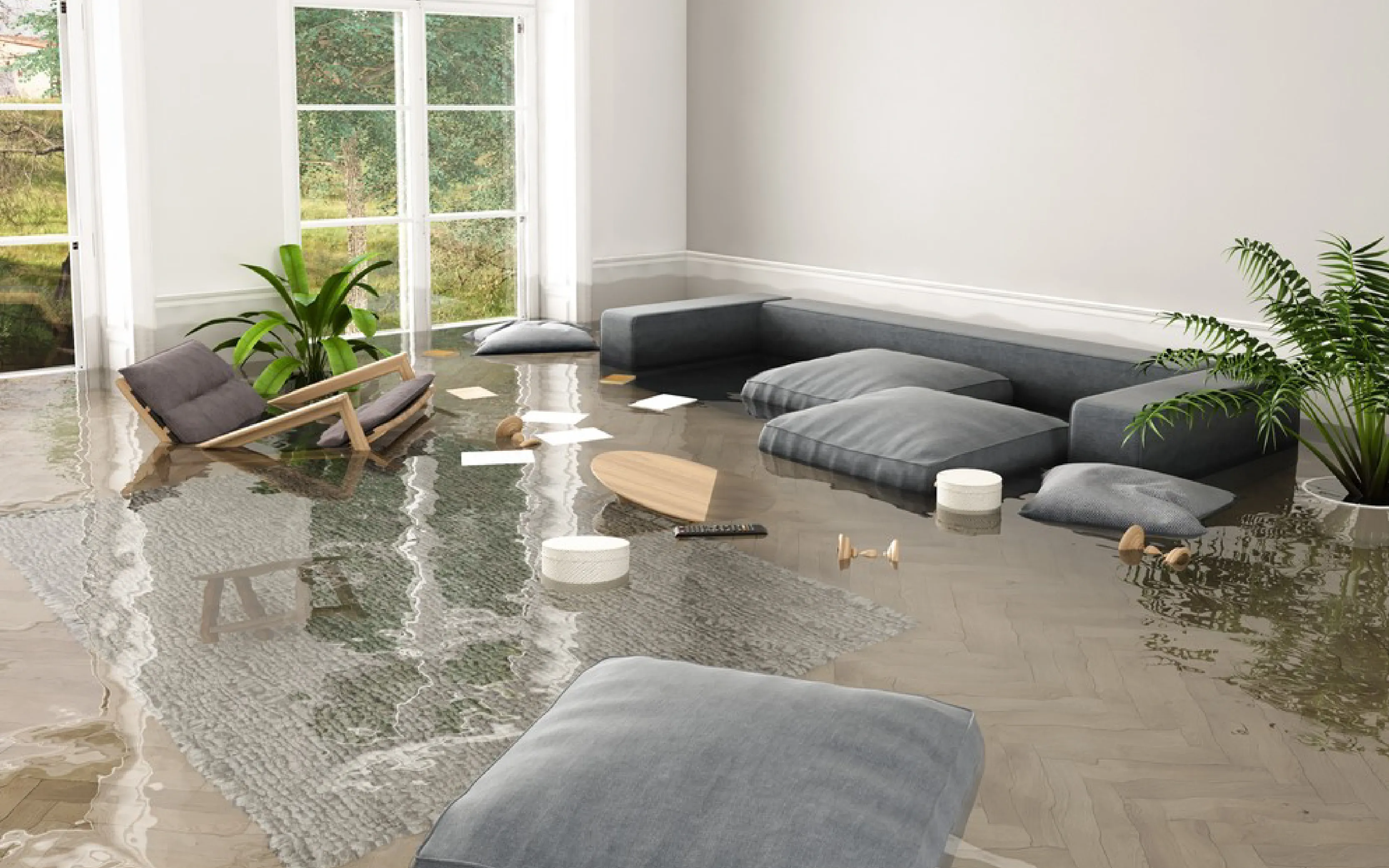
Bayfront homes in North Miami are highly desirable for their waterfront views, direct access to Biscayne Bay, and the coastal lifestyle they provide. However, living near the water comes with unique challenges, particularly when it comes to water intrusion and flood damage. Heavy rains, hurricanes, storm surges, and even AC condensation can lead to significant moisture problems in homes. One of the most vulnerable components during water events is carpeting, which readily absorbs water and provides a breeding ground for mold and bacteria if not addressed promptly.
Carpet cleaning after water damage in bayfront homes is more than a simple routine; it is a structured process that ensures the carpet is thoroughly dried, sanitized, and restored, while also preventing mold growth and protecting indoor air quality. This guide provides homeowners and property managers with a detailed understanding of the process, what to watch for, and why professional intervention is often necessary.
Understanding the Impact of Water Damage on Carpets
Carpet is a porous material that easily absorbs water. After exposure to water intrusion, several risks arise:
- Mold and Mildew Growth: Moisture trapped in carpet fibers, padding, and subflooring can lead to mold growth within 24–48 hours.
- Structural Damage: Prolonged wetness can seep into the subfloor, causing wood to warp or swell and potentially compromising flooring integrity.
- Odor: Stagnant water promotes the development of musty odors that can permeate the home.
- Health Concerns: Bacteria and allergens can accumulate in wet carpet, negatively affecting indoor air quality and potentially triggering respiratory issues.
In coastal areas like North Miami, high humidity, combined with water intrusion from storms or heavy rains, accelerates these risks, making rapid response and thorough cleaning essential.
Initial Assessment and Safety Considerations
Before beginning carpet cleaning after water damage, a proper assessment is critical:
1. Identify the Source of Water
- Clean Water (Category 1): Typically comes from broken pipes or AC condensation. Carpets may be restored with standard cleaning methods.
- Gray Water (Category 2): Includes water from washing machines, dishwashers, or minor flooding. Contains contaminants that require sanitation.
- Black Water (Category 3): Floodwater from hurricanes, storm surges, or sewage requires full removal and often carpet replacement due to health risks.
Identifying the source helps determine the cleaning method and level of remediation needed.
2. Safety Precautions
- Turn off electricity in areas where water has intruded.
- Use protective gear, including gloves and masks, if contamination is suspected.
- Remove pets and children from affected areas during cleanup.
Step-by-Step Carpet Cleaning Process After Water Damage
Professional carpet cleaning after water damage involves multiple steps designed to restore the carpet while minimizing the risk of mold and structural issues.
Step 1: Water Extraction
- Remove standing water using industrial-grade pumps or wet-dry vacuums.
- Extraction must reach the carpet backing and padding to remove as much moisture as possible.
- Quick water removal reduces drying time and prevents mold growth.
Step 2: Carpet Lifting and Inspection
- Inspect the carpet padding and subfloor for moisture absorption.
- Lift the carpet from tack strips or edges to access the underside for thorough drying.
- Assess any areas of permanent damage that may require replacement.
Step 3: Drying and Dehumidification
- Use air movers, fans, and industrial dehumidifiers to circulate air and remove residual moisture.
- Targeted drying prevents microbial growth and preserves carpet integrity.
- Monitor moisture levels in the carpet, padding, and subfloor until readings return to safe levels.
Step 4: Cleaning and Sanitization
- Apply appropriate cleaning agents based on carpet type and contamination level.
- For gray or black water exposure, antimicrobial or disinfecting solutions are used to eliminate bacteria, mold, and other pathogens.
- Use hot water extraction, shampooing, or steam cleaning techniques to remove dirt, debris, and contaminants from carpet fibers.
Step 5: Grooming and Inspection
- Groom the carpet fibers to restore texture and appearance.
- Conduct a thorough inspection to ensure no remaining wet spots, stains, or odors.
- Check tack strips, baseboards, and subfloor areas for residual moisture.
Step 6: Post-Cleaning Monitoring
- Continue to monitor humidity and moisture levels in the affected areas for several days.
- Preventive measures, including maintaining low indoor humidity and checking AC systems, help avoid mold recurrence.
Challenges Specific to Bayfront Homes
Bayfront homes face environmental factors that complicate carpet cleaning after water damage:
- High Coastal Humidity: Slows drying times and increases the likelihood of mold growth.
- Storm Surges and Flooding: Introduce contaminated water requiring advanced cleaning or carpet replacement.
- Salt-Laden Air: Accelerates corrosion of subflooring and metal components and may leave residue on carpets.
- Older Construction or Slab Foundations: Can trap moisture under carpet, requiring additional drying techniques and monitoring.
These factors make timely, professional intervention critical for successful carpet restoration.
Preventive Measures for Homeowners
After cleaning, homeowners should implement strategies to minimize future water damage and carpet problems:
- Maintain indoor humidity below 60% using dehumidifiers or air conditioning.
- Inspect and repair plumbing, roofing, and sliding doors to prevent leaks.
- Ensure proper drainage around the property to reduce water pooling.
- Ventilate enclosed areas like closets, attics, and under furniture.
- Consider moisture-resistant or waterproof carpet padding in flood-prone areas.
- Schedule periodic professional inspections, particularly after storms or hurricanes.
Proactive maintenance helps protect both carpets and the overall home environment in coastal conditions.
The Importance of Local Expertise
Carpet cleaning and water damage restoration in North Miami bayfront homes requires local knowledge:
- Awareness of regional weather patterns, including hurricane risks and seasonal rainfall.
- Understanding of coastal humidity and its impact on drying and mold growth.
- Expertise in handling salt-laden water intrusion and its effect on building materials.
- Familiarity with typical construction styles in waterfront homes, including slab foundations and high humidity ventilation issues.
Local professionals, such as Tip Top Water and Fire Damage Restoration, provide comprehensive services tailored to the unique challenges of North Miami coastal properties.
Conclusion
Carpet cleaning after water damage in bayfront homes near North Miami is a complex process that requires careful assessment, thorough cleaning, and effective drying to prevent mold, odors, and structural damage. Hurricanes, storm surges, heavy rains, and high humidity increase the risks associated with water intrusion, making timely intervention essential.
Professional restoration involves water extraction, carpet lifting, drying, sanitization, grooming, and ongoing monitoring. Combined with preventive measures such as humidity control, ventilation, and regular inspections, these steps help homeowners maintain safe, healthy, and aesthetically pleasing interiors.
By understanding the process and the unique challenges of coastal properties, North Miami homeowners can protect both their carpets and the overall integrity of their bayfront homes, ensuring comfort, safety, and long-term value.