
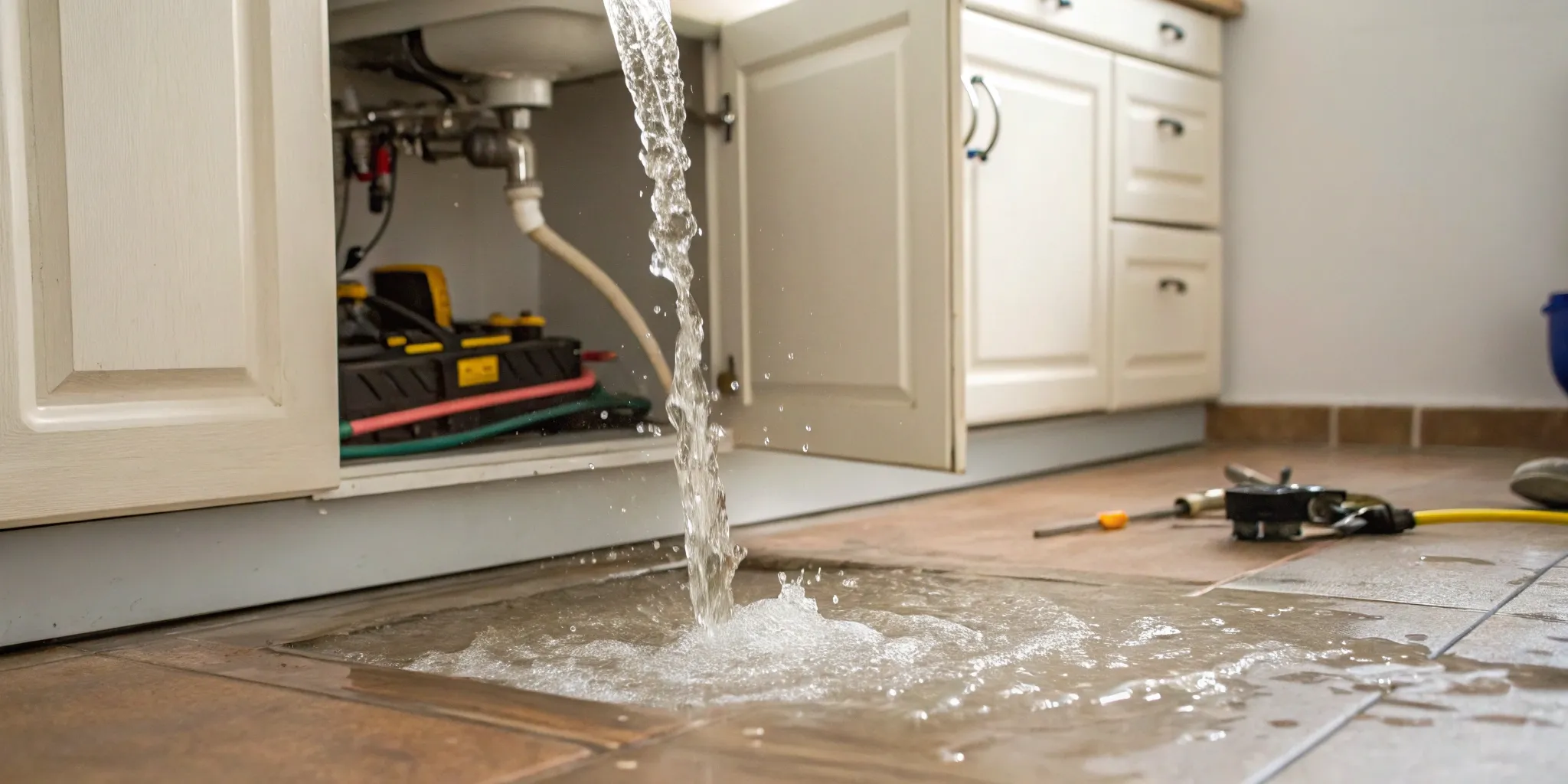
Flood Restoration in North Miami Beach After Plumbing Failures: What to Watch For
Plumbing failures are one of the most common causes of sudden indoor flooding in North Miami Beach homes and condominiums. Unlike storm flooding, which homeowners may anticipate during hurricane season, plumbing leaks often happen without warning. A broken supply line, overflowing appliance, or burst pipe can release hundreds of gallons of water in a short period, leaving homeowners shocked at how quickly damage spreads.
Because many properties in North Miami Beach include multi-story condominiums, aging plumbing infrastructure, and coastal humidity exposure, plumbing-related water damage is especially common. Acting quickly after a failure makes the difference between manageable repairs and widespread restoration.
Understanding what to watch for after a plumbing-related flood helps property owners reduce long-term damage and restore their homes safely.
Understanding Plumbing Failure Flooding
Plumbing failures vary in severity but often result in fast, uncontrolled water release. Water spreads rapidly through flooring, walls, and ceilings, especially in apartment or condo buildings where leaks affect multiple units.
Common plumbing-related flooding sources include:
• Burst water supply pipes
• Failed water heaters
• Overflowing washing machines or dishwashers
• Broken refrigerator water lines
• Toilet overflows or backups
• Sink drain failures
• Slab leaks beneath flooring
Even after visible water is removed, moisture remains trapped inside building materials. That hidden moisture often leads to mold growth and structural damage if not handled properly.
Why Plumbing Flooding Is Common in North Miami Beach
Several local conditions make plumbing failures more frequent in North Miami Beach properties.
Older condominiums and homes often contain aging plumbing systems with corroded pipes. Coastal salt air accelerates material wear, increasing pipe vulnerability. High humidity also causes condensation that can weaken fixtures and connections over time.
Additionally, many seasonal residents leave units vacant for months. A small leak that goes unnoticed can flood a property long before someone discovers it.
Multi-unit buildings also introduce risk, as plumbing failures in upper floors frequently damage several homes below.
Early Warning Signs After Water Intrusion
After plumbing failures, some damage is obvious, but many warning signs appear later. Homeowners should watch for changes that indicate moisture remains inside the structure.
Common signs include:
• Warped or buckling floors
• Stains appearing on ceilings or walls
• Musty smells developing days later
• Paint peeling or bubbling
• Soft drywall areas
• Mold spots near baseboards or vents
• Increased indoor humidity levels
Because moisture spreads behind surfaces, damage often appears far from the original leak.
Hidden Areas Water Commonly Reaches
Water from plumbing failures rarely stays contained. In many North Miami Beach homes, inspections reveal moisture in unexpected places.
Common hidden water paths include:
• Under tile or wood flooring
• Inside wall cavities
• Beneath cabinets and appliances
• Inside insulation
• Behind bathroom tile walls
• Between condo floors and ceilings
• Inside air conditioning ducts
Without professional drying equipment, these hidden wet areas remain damp long enough for mold growth to begin.
Why DIY Drying Usually Falls Short
Many homeowners attempt to dry flooded areas using fans or household dehumidifiers. While these efforts help surface drying, they rarely remove moisture trapped deep within structures.
DIY drying fails because:
• Water penetrates materials below surface level
• Household equipment lacks sufficient drying power
• Mold can grow before drying is complete
• Hidden moisture remains undetected
Flood restoration requires specialized equipment and moisture detection tools to fully dry affected areas.
How Professional Flood Restoration Works
Professional restoration begins with stopping the water source and assessing damage extent. Specialists then use industrial equipment to extract water and dry structures thoroughly.
A proper restoration process includes:
• Emergency water extraction
• Moisture detection inside walls and floors
• Industrial dehumidification
• Air movement for rapid drying
• Removal of unsalvageable materials
• Cleaning and sanitizing affected areas
• Final moisture verification
Companies like Tip Top Water and Fire Damage Restoration often respond quickly in North Miami Beach to minimize damage before mold develops.
Mold Growth Risks After Plumbing Floods
One of the biggest dangers following plumbing failures is mold growth. Mold can begin forming within 24–48 hours in damp materials.
Bathrooms, kitchens, laundry rooms, and areas with poor airflow are especially vulnerable. Once mold spreads inside walls or under flooring, remediation becomes more complex and costly.
Professional restoration includes mold prevention treatments and monitoring moisture levels to stop mold before it spreads.
AC Systems and Ducts Can Spread Moisture Damage
After indoor flooding, air conditioning systems sometimes circulate moisture through ductwork. Wet insulation around ducts or flooded AC closets can lead to mold growth inside the system.
Signs of duct contamination include:
• Musty odors when AC runs
• Dust or debris blowing from vents
• Increased allergy symptoms indoors
Cleaning and drying ducts when necessary helps prevent moisture-related air quality problems.
Preventing Plumbing Flood Damage in the Future
While not all plumbing failures can be prevented, homeowners can reduce risks with proactive maintenance.
Recommended preventive steps include:
• Regular plumbing inspections
• Replacing aging supply lines and valves
• Installing leak detection devices
• Checking appliance hoses annually
• Shutting off water during long absences
• Monitoring water heaters for corrosion
• Addressing slow leaks immediately
Small preventive actions help avoid major restoration costs later.
Why Local Restoration Experience Matters
Flood restoration in coastal communities requires understanding how humidity and building construction affect drying processes. Local professionals recognize how moisture behaves in North Miami Beach homes and condos.
Experienced restoration teams know how to handle multi-unit properties, slab construction, and coastal moisture exposure. Their familiarity with local building designs speeds up accurate damage assessment and recovery.
Tip Top Water and Fire Damage Restoration regularly works in North Miami Beach and surrounding areas, providing restoration solutions suited to local environmental conditions.
Acting Quickly Makes All the Difference
Plumbing failures happen suddenly, but recovery success depends on how quickly restoration begins. Water spreads rapidly, and damage continues long after standing water disappears.
Homeowners who respond immediately can prevent mold growth, reduce structural damage, and restore homes faster. Watching for warning signs and contacting professionals when needed ensures plumbing floods do not turn into long-term property problems.
Flood restoration handled correctly allows North Miami Beach residents to return safely to clean, dry living spaces with confidence.