
AC Moisture Repair in North Miami Beach: What Experienced Inspectors Look For
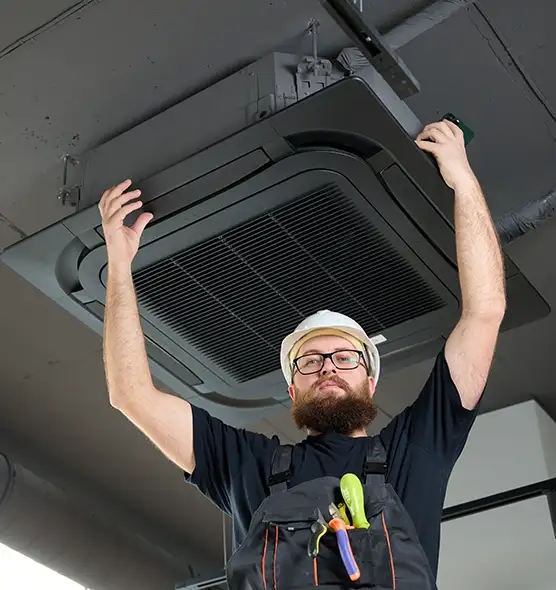
Air conditioning systems are critical in North Miami Beach, particularly in homes near the coast where heat and humidity are high year-round. While AC units provide comfort, they can also become sources of moisture problems if not properly maintained. Excess condensation, clogged drain lines, or poorly functioning units can lead to water damage, mold growth, and reduced indoor air quality. Experienced inspectors focus on identifying and addressing these issues to prevent long-term property damage and ensure safe, comfortable living environments.
This guide explores what professional inspectors look for during AC moisture inspections in North Miami Beach homes, the underlying causes of moisture issues, the repair and remediation process, and preventive measures homeowners can implement to protect their homes.
Understanding AC-Related Moisture Problems
Air conditioning systems naturally remove moisture from the air as part of the cooling process. Warm, humid air passes over the evaporator coil, causing condensation to form. Normally, this water drains safely through a condensate line to the exterior. Problems arise when moisture is not properly managed:
- Clogged Condensate Drain Lines: Debris, algae, or mold can block the drain, causing water to back up.
- Improperly Sized Units: AC systems that are too large or small may create excessive condensation or fail to dehumidify effectively.
- Leaky Coils or Pans: Evaporator coil leaks or rusted condensate pans allow water to drip onto flooring, walls, or ceilings.
- Duct Moisture Accumulation: Poorly insulated or leaky ducts can accumulate condensation, creating hidden moisture pockets.
- Humidity Overload: In North Miami Beach, outdoor humidity often exceeds 70%, overtaxing AC units and increasing the risk of moisture buildup.
If left untreated, these conditions can lead to water damage, mold growth, structural issues, and degraded indoor air quality.
Why Professional Inspection Matters
AC moisture issues are often hidden and complex. Professional inspection is essential for several reasons:
- Early Detection: Moisture problems can remain invisible until damage is extensive. Inspectors can identify hidden leaks, condensation, and drainage issues.
- Targeted Solutions: Professionals can determine whether repairs involve cleaning, component replacement, or duct sealing.
- Preventing Mold Growth: Moisture left unchecked promotes mold in walls, ceilings, carpets, and ductwork. Early intervention prevents contamination.
- Preserving Indoor Air Quality: Inspectors ensure that AC systems remove moisture efficiently and that ductwork does not circulate spores or allergens.
- Property Protection: Timely repairs prevent water damage to flooring, cabinetry, and structural elements.
Key Areas Inspectors Examine
Experienced AC inspectors in North Miami Beach examine both visible and hidden components to identify moisture issues:
1. Condensate Drain Lines and Pans
- Inspectors check for blockages caused by algae, debris, or sediment.
- Condensate pans are examined for rust, cracks, or leaks that could allow water to escape into the home.
- Water levels are monitored to ensure proper drainage and avoid overflow.
2. Evaporator Coils and Filters
- Dirty coils and clogged air filters reduce airflow, leading to excessive condensation.
- Inspectors check coil condition, cleanliness, and proper drainage.
- Proper filter maintenance prevents moisture buildup and reduces mold risk.
3. Ductwork and Insulation
- Inspectors assess ducts for condensation, leaks, or poor insulation.
- Moisture inside ducts can go unnoticed and become a breeding ground for mold.
- Areas around connections, bends, and returns are closely examined.
4. Humidity Control
- Professionals measure indoor humidity levels using hygrometers.
- Excess humidity despite AC operation may indicate a system issue or inadequate dehumidification capacity.
5. Surrounding Building Materials
- Flooring, walls, ceilings, and cabinetry near AC units are inspected for water stains, warping, or soft spots.
- Early signs of water intrusion often appear near drain lines or beneath units.
Typical Causes of AC Moisture Problems in North Miami Beach
Several factors contribute to AC moisture challenges in coastal homes:
- High Humidity and Heat: Persistent coastal humidity increases the load on AC systems.
- Poor System Design or Installation: Improperly sized or installed units may fail to remove moisture effectively.
- Aging Equipment: Older AC units may have corroded components, clogged drains, or inefficient coils.
- Lack of Maintenance: Neglecting filter changes, coil cleaning, and drain line flushing leads to recurring moisture problems.
- Storm Damage: Hurricanes or heavy rains can compromise ductwork or allow water intrusion near outdoor AC units.
Understanding these causes helps inspectors recommend targeted repairs rather than temporary fixes.
AC Moisture Repair and Remediation
Once a problem is identified, professional technicians follow a structured repair process:
Step 1: Cleaning and Clearing
- Condensate drain lines are cleared of blockages and sanitized.
- Evaporator coils are cleaned to improve airflow and prevent excess condensation.
- Ductwork may be cleaned to remove mold or moisture buildup.
Step 2: Component Repair or Replacement
- Rusted or damaged condensate pans are replaced.
- Leaking coils or damaged piping may require repair or replacement.
- Improperly insulated ducts are sealed and insulated to reduce condensation.
Step 3: System Optimization
- AC units are calibrated for optimal cooling and dehumidification.
- Filters are replaced with appropriate high-efficiency models to maintain airflow.
- Humidity levels are adjusted and monitored to ensure comfort and safety.
Step 4: Post-Repair Verification
- Inspectors recheck all components, drain lines, and ducts for proper function.
- Moisture meters and hygrometers confirm that water has been eliminated and humidity is controlled.
- Homeowners are educated on maintenance steps to prevent recurrence.
Preventive Measures for Homeowners
After AC moisture repair, homeowners can take proactive steps to minimize future problems:
- Regular Maintenance: Schedule professional AC inspections at least twice a year.
- Filter Replacement: Change air filters every 1–3 months to ensure proper airflow.
- Drain Line Flushing: Clean condensate lines periodically to prevent blockages.
- Duct Inspection: Have ducts inspected and cleaned every 2–3 years, especially in high-humidity areas.
- Monitor Humidity: Keep indoor humidity below 60% using AC and supplemental dehumidifiers if necessary.
- Prompt Leak Repair: Address water stains, soft spots, or musty odors immediately to prevent mold growth.
These preventive measures extend the life of the AC system, protect indoor air quality, and safeguard the home from water damage.
The Value of Local Expertise
North Miami Beach homes are uniquely affected by coastal conditions such as high humidity, salt-laden air, and storm exposure. Local professionals, such as Tip Top Water and Fire Damage Restoration, understand the environmental factors that influence AC moisture problems. Their expertise ensures:
- Accurate detection of hidden leaks, condensation, or duct issues
- Targeted repairs that address the root cause rather than temporary fixes
- Recommendations tailored to the specific challenges of coastal homes
By relying on local knowledge, homeowners can trust that repairs will be effective and long-lasting.
Conclusion
AC moisture issues are a common concern in North Miami Beach, particularly in bayfront homes and coastal properties where heat, humidity, and storm exposure place additional strain on systems. Experienced inspectors focus on condensate lines, coils, ducts, and surrounding materials to identify hidden moisture, prevent mold growth, and maintain indoor air quality.
The repair process includes cleaning, component replacement, system optimization, and verification to ensure the home is safe and comfortable. Preventive measures such as regular maintenance, filter replacement, duct inspection, and humidity monitoring help reduce future problems.
For North Miami Beach homeowners, understanding what experienced inspectors look for during AC moisture inspections ensures early detection, effective repair, and long-term protection for both property and residents.