
Why Mold Remediation Becomes Necessary in Sunny Isles Beach When Humidity Stays High for Weeks
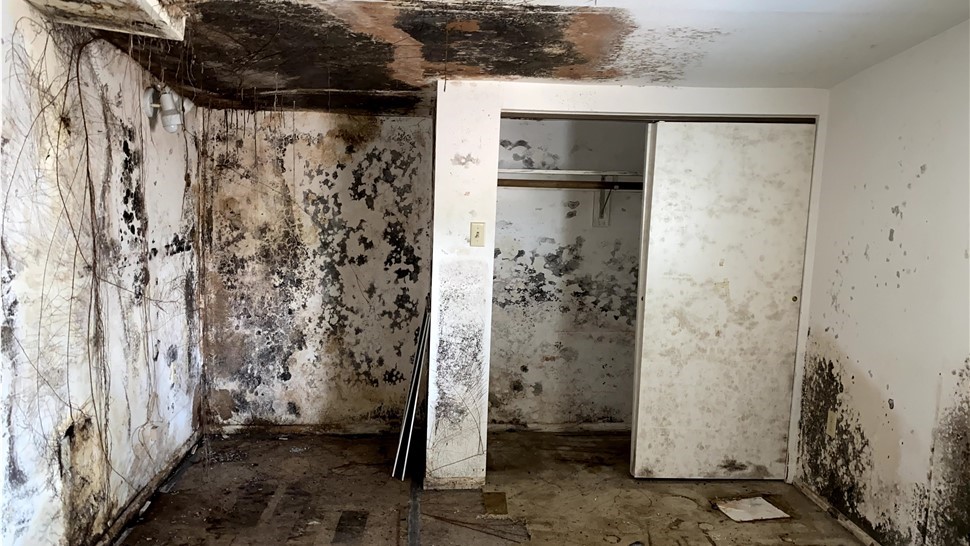
Sunny Isles Beach is renowned for its oceanfront lifestyle, luxury condominiums, and tropical climate. While the coastal environment provides incredible views and a relaxed lifestyle, it also presents unique challenges for homeowners, particularly when it comes to moisture and mold. Prolonged periods of high humidity, especially during Florida’s summer months, can create ideal conditions for mold growth. In such cases, mold remediation becomes not just a preventative measure but a necessary action to maintain healthy living spaces, structural integrity, and property value.
This article explores why mold remediation is essential in Sunny Isles Beach when humidity levels remain elevated for weeks, the risks of delaying intervention, and the professional processes used to restore homes safely and effectively.
Understanding Mold and Humidity
Mold is a type of fungus that reproduces through spores, which are microscopic particles present in virtually every environment. When spores encounter moisture and organic material, they can grow into colonies within 24 to 48 hours. In Sunny Isles Beach homes, several environmental factors accelerate this process:
- High Humidity: Coastal humidity frequently exceeds 70–80% in summer months, keeping walls, ceilings, flooring, and furniture damp even without direct water intrusion.
- Warm Temperatures: Warm conditions, combined with moisture, create an optimal environment for mold proliferation.
- Water Intrusion: Storm surges, heavy rains, and AC condensation can introduce additional moisture that sustains mold growth.
- Poor Ventilation: Enclosed spaces, such as closets, attics, or bathrooms, can trap humidity, increasing the likelihood of hidden mold.
Prolonged exposure to high humidity can saturate building materials and furnishings, allowing mold to colonize areas that are not immediately visible.
Why Prolonged Humidity Makes Mold a Serious Threat
Short-term humidity is typically manageable, but when elevated levels persist for weeks, the risk of mold growth rises significantly:
- Accelerated Mold Colonization
- Mold spores thrive in moist, warm environments. Sustained high humidity provides the moisture necessary for rapid growth on wood, drywall, carpets, and fabrics.
- Hidden Contamination
- Mold often begins in areas that are difficult to inspect, such as wall cavities, under flooring, behind baseboards, and inside HVAC ducts. By the time visible signs appear, colonies may be well established.
- Structural Damage
- Mold can deteriorate wooden beams, flooring, drywall, and insulation over time. Prolonged humidity accelerates this degradation, potentially compromising the home’s structural integrity.
- Indoor Air Quality Decline
- Mold releases spores and microbial volatile organic compounds (MVOCs) that affect air quality. Extended exposure to high humidity amplifies the spread of spores, leading to musty odors and potential respiratory discomfort.
- Difficult Removal
- The longer mold is allowed to grow, the more challenging and costly remediation becomes. Early intervention reduces damage and ensures safer, more thorough remediation.
Common Indicators of Mold Growth in High-Humidity Homes
Homeowners in Sunny Isles Beach should be alert for both visible and subtle signs of mold:
- Musty or earthy odors, particularly in humid or enclosed areas
- Stains, discoloration, or streaks on walls, ceilings, or flooring
- Bubbling, peeling, or warped paint and wallpaper
- Soft spots or warping in wood or laminate flooring
- Condensation on windows, walls, or baseboards
- Persistent allergy-like symptoms, such as coughing, sneezing, or eye irritation
Even if visible mold is minimal, elevated humidity can support hidden colonies, making professional inspection crucial.
Why DIY Mold Removal Often Fails
While homeowners may be tempted to clean visible mold themselves, DIY approaches rarely address the full extent of the problem:
- Mold can grow behind walls, under flooring, or in HVAC systems, which are inaccessible without professional tools.
- Incomplete removal risks spreading spores throughout the home.
- Improper cleaning products or techniques may fail to kill mold and prevent regrowth.
- High-humidity environments require specialized drying and moisture control to ensure remediation is effective.
Professional mold remediation addresses both the mold colonies and the underlying moisture problem, ensuring long-term results.
Professional Mold Remediation Process
Experienced mold remediation teams in Sunny Isles Beach follow a systematic approach tailored to high-humidity environments:
Step 1: Inspection and Assessment
- Conduct a thorough visual inspection of the property, including attics, crawl spaces, bathrooms, kitchens, and HVAC systems.
- Use moisture meters and thermal imaging to identify hidden damp areas that may support mold growth.
- Collect air and surface samples for lab analysis if necessary to determine contamination levels and species.
Step 2: Containment
- Isolate affected areas using plastic barriers and negative air pressure to prevent spores from spreading to unaffected areas.
- Ensure proper ventilation and filtration during the remediation process.
Step 3: Removal of Contaminated Materials
- Remove and properly dispose of mold-infested materials such as drywall, insulation, carpets, and furniture that cannot be salvaged.
- Salvageable items are cleaned with industrial-grade antimicrobial solutions.
Step 4: Cleaning and Disinfection
- Non-porous surfaces are cleaned and disinfected using professional-grade agents.
- HEPA vacuum systems capture spores during cleaning to prevent airborne contamination.
Step 5: Drying and Moisture Control
- Industrial dehumidifiers and air movers thoroughly dry the affected areas.
- Continuous moisture monitoring ensures that surfaces reach safe, dry levels to prevent regrowth.
Step 6: Post-Remediation Verification
- Conduct follow-up inspections and testing to confirm that mold has been effectively removed.
- Verify indoor air quality and ensure moisture levels are controlled before concluding remediation.
Preventive Measures for High-Humidity Homes
Even after successful mold remediation, ongoing maintenance is essential in Sunny Isles Beach homes to prevent recurrence:
- Maintain indoor humidity below 60% using air conditioning or dehumidifiers.
- Ensure proper ventilation in attics, bathrooms, kitchens, and closets.
- Regularly inspect and clean HVAC systems, including ducts and drip pans.
- Promptly address water leaks, roof damage, and window or door seepage.
- Use moisture-resistant building materials in areas prone to dampness.
- Schedule routine professional inspections, especially during the humid summer months.
The Role of Local Expertise
Sunny Isles Beach presents unique challenges due to its coastal environment, including high humidity, salt-laden air, storm surges, and older or high-rise construction. Local professionals, such as Tip Top Water and Fire Damage Restoration, provide the expertise needed to:
- Identify hidden moisture and mold in complex coastal homes
- Recommend remediation strategies tailored to high-humidity conditions
- Implement preventive measures to reduce future mold growth
- Restore homes efficiently while maintaining safety and indoor air quality
Relying on local knowledge ensures that mold remediation is thorough, effective, and long-lasting.
Conclusion
Prolonged high humidity in Sunny Isles Beach homes creates ideal conditions for mold growth, often in hidden areas such as wall cavities, flooring, attics, and HVAC systems. Mold remediation becomes necessary when moisture persists for weeks, as early intervention prevents structural damage, preserves indoor air quality, and reduces the cost and complexity of cleanup.
Professional remediation involves inspection, containment, removal of contaminated materials, cleaning, drying, and post-remediation verification. Combined with preventive measures like humidity control, proper ventilation, and routine maintenance, these steps protect homes from future mold problems.
For homeowners in Sunny Isles Beach, understanding why mold remediation is critical during extended periods of high humidity ensures safer living environments, structural integrity, and long-term property value.