
Preventing Future Problems: Black Mold Removal in Sunny Isles Beach
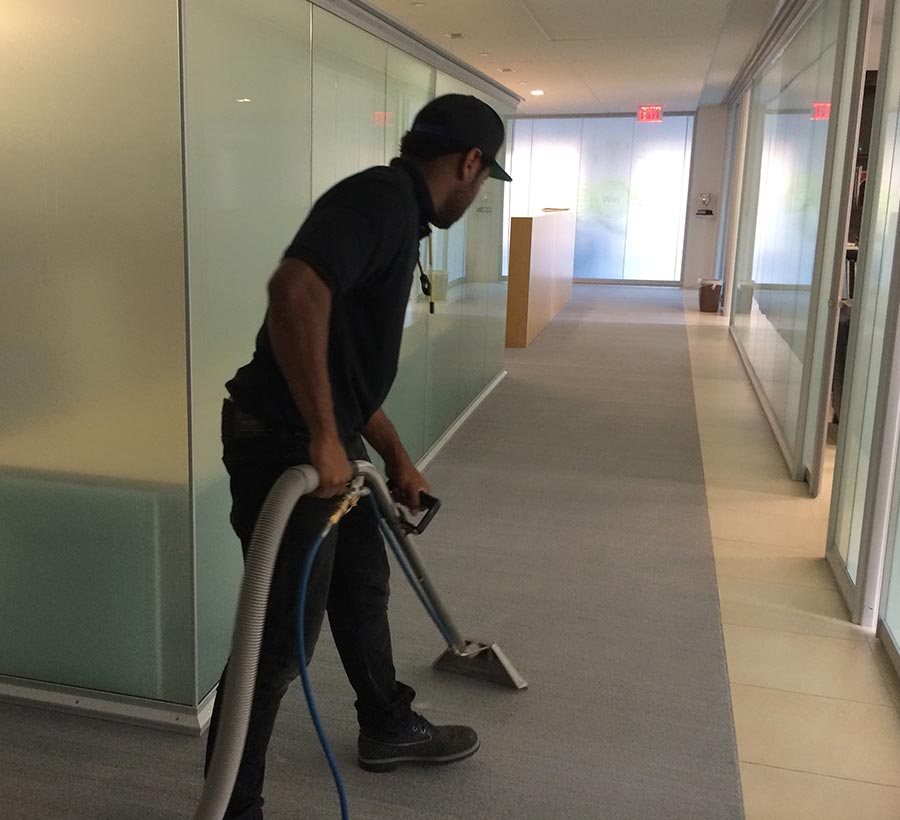
Sunny Isles Beach is known for its oceanfront properties, luxury residences, and tropical climate. While the coastal environment offers unmatched lifestyle benefits, it also creates conditions conducive to black mold growth. High humidity, frequent summer rains, storm surges, and AC condensation combine to make coastal homes particularly vulnerable. Black mold, a common and potentially damaging type of mold, can develop quickly and, if left untreated, may cause structural deterioration, property damage, and persistent indoor air quality issues.
Understanding the importance of black mold removal, along with preventive measures, is crucial for homeowners in Sunny Isles Beach. This article explores why black mold forms, how it spreads, the removal process, and strategies to prevent future problems.
What Black Mold Is
Black mold, often referred to scientifically as Stachybotrys chartarum, thrives in warm, damp environments. It typically grows on organic materials such as drywall, wood, insulation, and carpeting. Unlike surface mold that may appear as small patches, black mold can colonize behind walls, under flooring, or inside HVAC systems, making it difficult to detect early.
Key characteristics of black mold include:
- Dark greenish-black coloration
- Musty or earthy odor
- Growth in consistently damp or humid areas
- Preference for areas with poor ventilation or water intrusion
While all mold requires moisture to grow, black mold is particularly resilient and can spread quickly in high-humidity environments like Sunny Isles Beach, especially during the prolonged wet summer season.
Why Black Mold Becomes a Problem in Coastal Homes
Several environmental and structural factors make Sunny Isles Beach homes prone to black mold:
1. High Humidity
Coastal humidity often exceeds 70–80%, creating persistent moisture in walls, ceilings, and floors. Continuous exposure to high humidity encourages mold spores to germinate and colonize.
2. Water Intrusion
Storm surges, hurricanes, heavy rains, and leaks in windows or roofs can introduce water into the home. Even minor leaks that go unnoticed can saturate building materials over time, supporting mold growth.
3. AC Condensation
Air conditioning systems produce condensation, which, if not properly drained, can create moisture pockets around units, ductwork, or surrounding walls and floors.
4. Poor Ventilation
Attics, closets, bathrooms, and laundry areas often have limited airflow, allowing trapped moisture to persist. Without adequate ventilation, mold can grow undetected in these hidden areas.
5. Older or Moisture-Sensitive Materials
Many coastal homes include wood framing, drywall, and carpets that are particularly susceptible to moisture absorption and mold colonization.
Common Signs Homeowners Notice
Early detection of black mold is vital to prevent damage. Homeowners should watch for the following:
- Musty or earthy odors in rooms, closets, or attics
- Visible black or dark green patches on walls, ceilings, or flooring
- Peeling paint, wallpaper bubbling, or water stains
- Warping or softening of wood, laminate, or drywall
- Persistent allergy-like symptoms such as coughing, sneezing, or itchy eyes
Even if mold is not visible, odors or structural changes often indicate hidden colonies that require professional attention.
Why DIY Removal Often Fails
Many homeowners attempt to remove black mold themselves, but DIY methods rarely provide a lasting solution, particularly in humid coastal environments:
- Mold often grows in hidden areas such as wall cavities, under flooring, or inside ducts.
- Improper cleaning can spread spores to other areas of the home.
- Surface cleaning may not eliminate the root of the infestation, allowing mold to return.
- High humidity and water damage require specialized drying and remediation techniques to prevent regrowth.
Professional removal ensures that both the mold colonies and underlying moisture sources are addressed.
Professional Black Mold Removal Process
Experienced mold remediation specialists follow a structured process to safely and effectively remove black mold from Sunny Isles Beach homes.
Step 1: Inspection and Assessment
- Conduct a thorough visual inspection of all areas, including attics, crawl spaces, bathrooms, and HVAC systems.
- Use moisture meters, thermal imaging, and hygrometers to detect hidden damp areas.
- Collect air and surface samples for lab analysis if necessary to confirm the extent of contamination.
Step 2: Containment
- Isolate affected areas using plastic barriers and negative air pressure to prevent spores from spreading.
- Ensure proper ventilation and filtration throughout the remediation process.
Step 3: Removal of Contaminated Materials
- Remove and properly dispose of infested materials, including drywall, insulation, and carpeting that cannot be salvaged.
- Clean salvageable items with professional-grade antimicrobial solutions to eliminate spores.
Step 4: Cleaning and Disinfection
- Non-porous surfaces are scrubbed and disinfected with specialized cleaning agents.
- HEPA vacuum systems capture airborne spores during the cleaning process, preventing further contamination.
Step 5: Drying and Moisture Control
- Industrial dehumidifiers and air movers dry the affected areas thoroughly.
- Continuous moisture monitoring ensures surfaces remain dry and free from conditions conducive to regrowth.
Step 6: Post-Remediation Verification
- Follow-up inspections confirm that mold has been effectively removed.
- Moisture levels and indoor air quality are checked to verify that conditions are safe.
- Homeowners are educated on maintenance practices to prevent future mold issues.
Preventing Future Black Mold Problems
Even after successful remediation, preventing recurrence requires ongoing vigilance, particularly in a high-humidity coastal environment:
- Maintain Proper Humidity: Keep indoor humidity below 60% using AC units or dehumidifiers.
- Improve Ventilation: Ensure attics, bathrooms, closets, and laundry areas have adequate airflow.
- Regular AC Maintenance: Inspect and clean air conditioning units, ducts, and condensate lines to prevent water buildup.
- Inspect for Water Intrusion: Check roofs, windows, doors, and plumbing regularly for leaks.
- Use Moisture-Resistant Materials: In areas prone to dampness, consider materials that resist water absorption.
- Routine Professional Inspections: Schedule periodic mold inspections, particularly after storms or extended periods of high humidity.
These preventive measures not only protect the home from mold but also preserve indoor air quality and structural integrity.
The Importance of Local Expertise
Sunny Isles Beach presents environmental conditions that differ from inland areas. Local mold remediation professionals, such as Tip Top Water and Fire Damage Restoration, understand the specific challenges faced by coastal homes, including:
- High ambient humidity and salt-laden air
- Risk of hurricane-related water intrusion
- Moisture accumulation in high-rise or waterfront properties
- Local building practices and materials that may affect mold growth
Relying on local experts ensures that remediation is thorough, targeted, and effective, reducing the risk of recurring issues.
Conclusion
Black mold is a serious concern for Sunny Isles Beach homeowners, particularly during prolonged periods of high humidity. The combination of coastal moisture, AC condensation, water intrusion, and poor ventilation creates ideal conditions for mold growth. Professional black mold removal addresses both the colonies and the underlying moisture sources, ensuring effective remediation.
Preventive measures—including humidity control, ventilation improvement, AC and duct maintenance, and routine inspections—help reduce the likelihood of future mold problems. For homeowners in Sunny Isles Beach, understanding the importance of professional mold remediation and implementing preventive strategies protects property, preserves indoor air quality, and maintains long-term home value.