
Property Maintenance Insights: Carpet Cleaning After Water Damage in Surfside
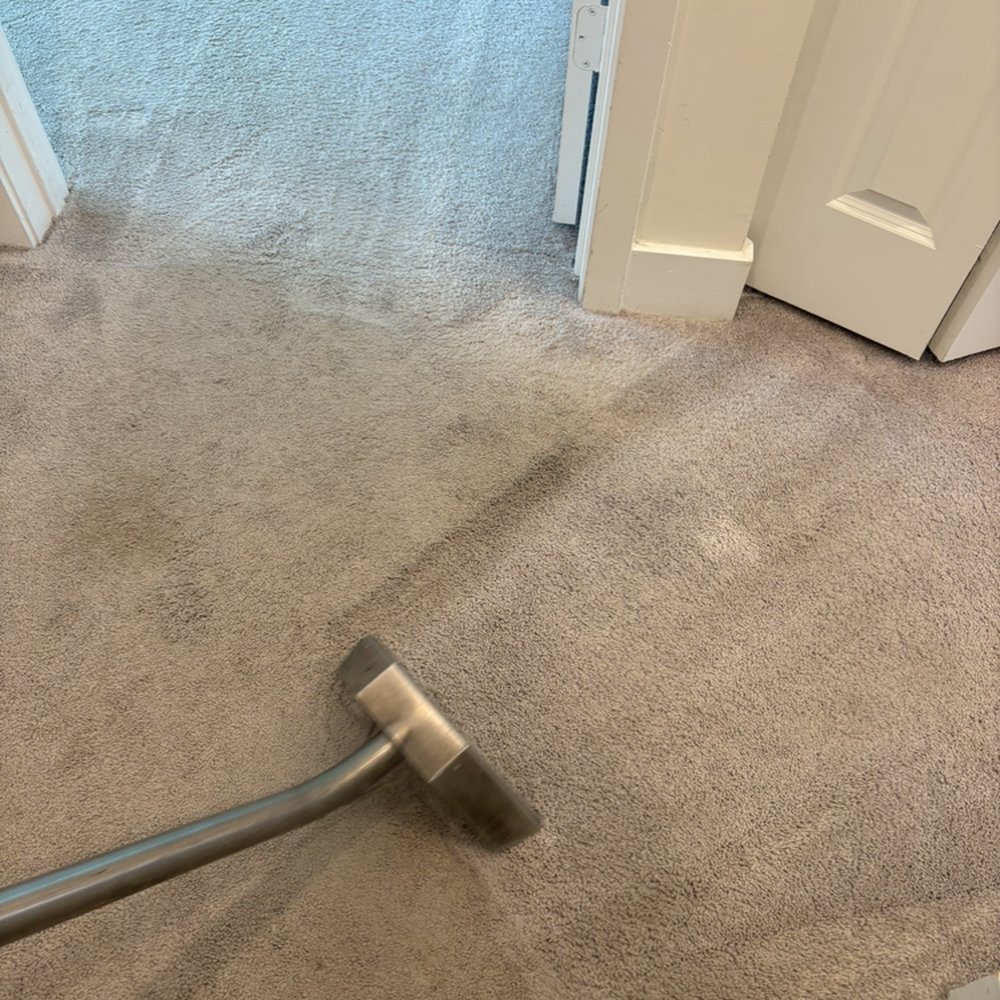
Surfside, Florida, is a vibrant coastal community where homeowners and property managers take pride in maintaining clean, safe, and comfortable living spaces. However, waterfront locations and Florida’s humid subtropical climate make properties susceptible to water damage from heavy rains, AC condensation, plumbing leaks, and even storm surges. Among the most impacted elements of a home is carpeted flooring, which can absorb water quickly and retain moisture, creating risks of structural damage, mold growth, and lingering odors.
Proper carpet cleaning after water damage is not only about appearance—it is an essential step in property maintenance, protecting the home’s structure, indoor air quality, and overall livability. This guide explores why carpet cleaning is critical after water exposure in Surfside, the challenges homeowners face, the professional cleaning process, and steps to prevent future damage.
How Carpets Are Affected by Water Damage
Carpets and their underlying padding are porous and absorbent, which makes them particularly vulnerable during water events. Water can come from multiple sources:
- Plumbing Leaks: Burst pipes or faulty fixtures can release significant volumes of water into homes.
- AC Condensation: Improperly draining air conditioning units can saturate carpeting near AC units or duct vents.
- Storm Water Intrusion: Heavy rains, hurricane-related flooding, or storm surges can penetrate lower levels or ground-floor rooms.
- Appliance Malfunctions: Washing machines, dishwashers, and water heaters can leak, causing localized carpet damage.
When carpet absorbs water, it creates several problems:
- Structural Compromise: Moisture can seep into subflooring, causing wood to warp or laminate to delaminate.
- Mold Growth: Carpets and padding retain moisture, creating a perfect environment for mold spores, which can begin colonizing within 24–48 hours.
- Odors and Staining: Prolonged water exposure leads to unpleasant odors, discoloration, and potential staining from dirt or contaminants carried by water.
- Allergen Accumulation: Standing moisture encourages bacterial growth and dust mite activity, reducing indoor air quality.
Prompt and professional carpet cleaning is therefore critical to minimize these risks and restore the home to safe, livable conditions.
Challenges of Carpet Cleaning After Water Damage in Surfside
Carpet restoration in coastal Florida presents unique challenges:
- High Humidity: Even after water removal, lingering humidity slows the drying process, increasing the risk of mold and mildew.
- Salt Exposure: Waterfront homes may experience salt intrusion, which can damage carpet fibers and accelerate wear.
- Hidden Moisture: Water can seep under baseboards, into wall cavities, and beneath padding, making it difficult for homeowners to detect all affected areas.
- Rapid Mold Growth: Florida’s warm, humid climate accelerates microbial growth, requiring swift professional intervention.
Attempting DIY carpet drying often fails to address these challenges. Surface-level drying may leave padding and subflooring wet, allowing mold and odors to develop.
Professional Carpet Cleaning After Water Damage
Experienced restoration professionals follow a structured process to ensure carpets are cleaned, sanitized, and restored properly.
Step 1: Assessment and Inspection
- Determine the source of water and categorize it as clean, gray, or black water (from contaminated sources).
- Inspect the extent of carpet saturation, padding damage, and subfloor impact.
- Identify areas at risk for mold growth or structural compromise.
Step 2: Water Extraction
- Use industrial-grade pumps and wet/dry vacuums to remove standing water efficiently.
- Ensure that both carpet surface and padding are addressed to minimize lingering moisture.
Step 3: Cleaning and Sanitization
- Apply professional cleaning agents to neutralize odors, remove dirt, and eliminate bacteria or contaminants.
- Use specialized equipment to scrub carpet fibers and lift embedded debris.
- For contaminated water (category 2 or 3), full disinfection of carpet and subfloor is performed.
Step 4: Drying
- Deploy industrial air movers, dehumidifiers, and heaters to thoroughly dry carpet, padding, and subfloor.
- Continuous moisture monitoring ensures that all areas reach safe dryness levels to prevent mold growth.
Step 5: Post-Cleaning Inspection
- Check for residual moisture, staining, or odors.
- Assess padding integrity and replace if necessary.
- Inspect subfloor for warping, rot, or other structural damage.
Step 6: Restoration and Prevention
- Repair or replace damaged baseboards or flooring transitions affected by water.
- Provide guidance on humidity management, AC maintenance, and routine carpet care to prevent future problems.
Preventing Future Water Damage in Surfside Homes
Maintaining carpets and reducing water-related risks requires proactive strategies:
- Regular AC Maintenance: Ensure condensate lines and drip pans are clean and functioning to prevent leaks.
- Plumbing Inspections: Check pipes, faucets, and appliances regularly for leaks.
- Humidity Control: Use dehumidifiers and maintain indoor humidity below 60% to prevent moisture retention.
- Proper Drainage: Ensure gutters, downspouts, and landscaping divert water away from the foundation.
- Quick Response to Spills: Address any water intrusion immediately to reduce carpet saturation.
- Professional Cleaning Schedule: Routine carpet cleaning helps maintain fiber integrity, remove embedded dirt, and monitor early signs of water damage.
By integrating these preventive measures, homeowners in Surfside can reduce the risk of costly carpet and structural repairs while improving indoor air quality.
The Importance of Local Expertise
Surfside homes face specific environmental conditions, including coastal humidity, storm-related flooding, and high salt exposure. Local professionals, such as Tip Top Water and Fire Damage Restoration, understand these unique challenges and provide services tailored to the area, including:
- Rapid water extraction and drying for carpets and subfloors
- Mold prevention strategies specific to humid coastal climates
- Expertise in managing both minor leaks and major flood events
- Guidance on long-term maintenance for carpet longevity and property protection
Relying on local expertise ensures that carpet cleaning after water damage is thorough, safe, and effective, reducing the risk of recurring issues.
Conclusion
Carpet cleaning after water damage is a critical component of property maintenance for Surfside homes. Water intrusion, whether from AC leaks, plumbing issues, or storm flooding, can compromise carpets, padding, subflooring, and indoor air quality. Prompt professional intervention removes water, cleans and disinfects fibers, and prevents mold growth, preserving both the home’s structure and the health of its occupants.
Preventive measures—such as regular AC and plumbing maintenance, humidity control, and routine carpet care—help protect against future water-related issues. Homeowners who act quickly and rely on local expertise can maintain clean, safe, and resilient carpeted spaces in Surfside’s humid coastal environment.