
Understanding AC Moisture Repair in Sunny Isles Beach from AC Condensation Problems
Sunny Isles Beach residents depend heavily on air conditioning systems to stay comfortable in South Florida’s heat and humidity. AC units run almost constantly throughout the year, especially during summer. While they cool homes effectively, they also generate large amounts of condensation. When that condensation is not properly drained or controlled, moisture problems quickly develop inside homes and condominiums.
AC condensation issues are one of the most common causes of hidden moisture damage in coastal properties. Understanding how these problems start, what signs to watch for, and how repairs work can help homeowners avoid mold growth and expensive repairs.
How AC Condensation Forms Inside Homes
Air conditioners cool indoor air by removing heat and humidity. As warm air passes over cold evaporator coils inside the AC system, moisture in the air condenses into water droplets. This water normally drains away through a condensation line and exits the home safely.
However, when something disrupts that drainage process, condensation begins accumulating inside walls, ceilings, or mechanical closets. Over time, trapped moisture spreads to nearby materials like drywall, insulation, flooring, and cabinetry.
Because condensation leaks are often slow, homeowners may not notice damage until mold or visible staining appears.
Why Condensation Problems Are Common in Sunny Isles Beach
Homes and condos in Sunny Isles Beach face constant humidity exposure due to their coastal location. Several local conditions increase condensation risks.
Common contributing factors include:
• High year-round humidity levels
• AC systems running continuously
• Salt air accelerating equipment wear
• Older buildings with aging drainage systems
• Poor ventilation in mechanical closets
• Improper AC installation or maintenance
• High-rise condos with complex plumbing and drainage layouts
In many seasonal properties, units may sit vacant with minimal system monitoring. A clogged drain line can leak for weeks before anyone discovers the problem.
Early Warning Signs of AC Moisture Problems
Condensation issues usually develop gradually. Recognizing early signs can prevent larger repairs.
Homeowners in Sunny Isles Beach often notice:
• Musty odors near vents or closets
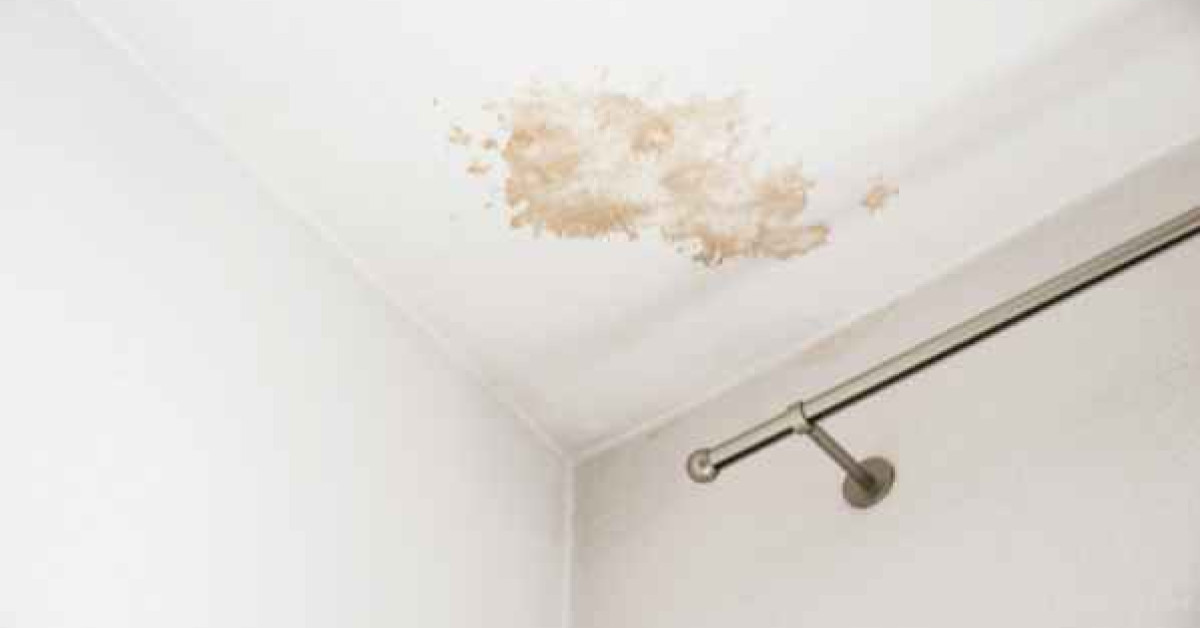
• Water stains on ceilings or walls
• Damp carpet or flooring near AC units
• Peeling paint or bubbling drywall
• Mold spots around vents or baseboards
• Increased indoor humidity levels
• AC systems shutting off unexpectedly
Because moisture often travels inside walls or ceilings, visible damage may appear far from the actual leak source.
Hidden Areas Affected by AC Moisture
AC condensation leaks rarely stay confined to one spot. Inspections often reveal moisture damage in unexpected locations.
Common hidden areas include:
• Inside wall cavities
• Ceiling insulation and drywall
• Under flooring near air handlers
• Inside closets housing AC units
• Around ductwork connections
• Inside cabinets near mechanical systems
Moisture trapped in these spaces often remains long enough for mold growth to begin.
Why DIY Fixes Rarely Solve the Problem
Many homeowners attempt to fix condensation problems by cleaning visible mold or placing towels under leaking units. While this may temporarily reduce symptoms, it rarely addresses the root cause.
DIY efforts typically fail because:
• Drain lines remain clogged or misaligned
• Hidden moisture stays trapped inside materials
• Mold spreads behind surfaces
• Household equipment cannot dry deep moisture
• Odors and damage return later
Without correcting drainage and fully drying affected areas, problems almost always reappear.
Professional Moisture Detection and Repair Process
Professional AC moisture repair starts by identifying where condensation is escaping and how far moisture has spread.
A typical inspection and repair process includes:
• Inspecting drain lines and pans for blockages or damage
• Checking system installation and airflow issues
• Measuring moisture inside walls and floors
• Using thermal imaging to locate hidden damp areas
• Repairing or replacing faulty drainage components
• Cleaning and flushing clogged condensation lines
Once the source is repaired, technicians begin drying affected materials to prevent mold growth and structural damage.
Tip Top Water and Fire Damage Restoration often performs these inspections in Sunny Isles Beach homes, helping homeowners resolve hidden moisture issues before major damage develops.
Mold Risks from AC Condensation Leaks
One of the biggest dangers of condensation leaks is mold growth. Mold thrives in damp, dark environments like walls and ceilings around AC systems.
Common mold growth areas include:
• Around air handler closets
• Inside ceiling cavities
• Behind drywall near vents
• Inside duct insulation
• Under flooring near AC equipment
Once mold spreads, remediation becomes more extensive and expensive. Addressing condensation leaks early significantly reduces this risk.
AC Ductwork and Airflow Problems
Moisture problems are not limited to air handlers alone. Poorly insulated ducts or leaks in duct systems can also create condensation.
When ducts run through hot attic spaces, temperature differences cause moisture to form on duct surfaces. This moisture can drip onto ceilings or spread through insulation.
Dirty or blocked ducts also restrict airflow, forcing AC systems to run longer and produce more condensation.
Regular duct inspection and cleaning help reduce condensation risks while improving cooling efficiency.
Preventing Future AC Moisture Problems
Homeowners can reduce condensation risks through regular maintenance and monitoring.
Helpful prevention measures include:
• Scheduling annual AC inspections
• Cleaning condensation drain lines regularly
• Replacing clogged filters
• Checking drain pans for standing water
• Maintaining proper airflow around units
• Monitoring indoor humidity levels
• Using dehumidifiers when needed
• Addressing small leaks immediately
Routine maintenance is far less expensive than repairing moisture damage after it spreads.
Why Local Experience Matters for Repairs
Coastal environments present unique challenges for HVAC systems. Professionals familiar with Sunny Isles Beach understand how humidity, salt air, and high-rise construction affect condensation and drainage systems.
Local experience allows technicians to quickly identify common failure points and implement repairs suited to coastal building conditions.
Tip Top Water and Fire Damage Restoration regularly assists homeowners throughout Sunny Isles Beach and surrounding communities, offering repair solutions designed for South Florida’s demanding climate.
Acting Quickly Protects Property and Air Quality
AC condensation leaks often begin quietly but can cause significant damage over time. Moisture trapped in walls and ceilings leads to mold growth, structural weakening, and declining indoor air quality.
Homeowners who respond quickly when warning signs appear can prevent extensive repairs and protect their homes. Professional moisture detection and repair ensure hidden problems are resolved before they grow worse.
Taking early action keeps Sunny Isles Beach homes comfortable, dry, and healthy throughout the year.