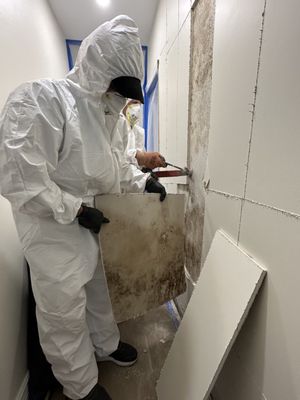
Property Maintenance Insights: Mold Remediation in Bayfront Homes in North Miami
Bayfront homes in North Miami offer a lifestyle few other locations can match — serene waterfront views, access to Biscayne Bay, and close proximity to cultural and recreational amenities. Yet, living near the water comes with unique challenges, particularly when it comes to property maintenance. Among these, mold growth is one of the most common and potentially damaging issues faced by homeowners in coastal neighborhoods such as North Miami Beach, Sunny Isles Beach, Bal Harbour, Aventura, Surfside, Miami Shores, and Biscayne Park.
Mold in bayfront homes is rarely an isolated or superficial problem. The combination of high humidity, salt air, slab foundations, and older construction can allow moisture to linger, creating ideal conditions for mold to develop. For property owners, understanding how mold forms, why it spreads, and how to effectively remediate it is essential for long-term home protection, structural integrity, and indoor air quality.
Why Bayfront Homes Are Prone to Mold
Mold requires three key conditions to thrive: moisture, organic material, and warmth. Bayfront homes in North Miami provide all three naturally. The environmental factors that contribute to mold issues include:
- High Humidity: Even on dry days, coastal humidity remains elevated, slowing drying and allowing dampness to persist.
- Salt-Laden Air: Salt particles from the bay can cling to surfaces, accelerating corrosion, and trapping moisture.
- Frequent Rainfall and Storms: Sudden tropical downpours or hurricane-driven rain can infiltrate homes through windows, doors, roofs, or balconies.
- Older Construction: Many bayfront properties predate modern moisture barriers and waterproofing standards, making walls, floors, and insulation more vulnerable.
- Slab Foundations: Water can migrate upward through concrete slabs, allowing moisture to seep into flooring and lower walls.
These factors combine to make even minor leaks or condensation events potential catalysts for mold growth.
Common Sources of Moisture Leading to Mold
In bayfront homes, moisture can come from multiple sources, often simultaneously:
1. Plumbing Leaks
Older pipes, pinhole leaks, and appliance malfunctions introduce water into walls and flooring. Even minor drips can saturate insulation and create hidden mold colonies.
2. AC Condensation
Air conditioning units produce condensation, and clogged drain lines or pan overflows can introduce water into ceilings, closets, and under flooring.
3. Stormwater Intrusion
During heavy rains or hurricane events, water can enter through poorly sealed doors, windows, or roof gaps. Balconies and terraces that lack proper drainage may channel water toward the home.
4. Groundwater and Slab Moisture
High water tables along Biscayne Bay allow moisture to migrate upward through foundations, creating damp conditions in floors and baseboards.
5. Humid Indoor Environments
Even in the absence of visible leaks, warm, humid air trapped inside poorly ventilated areas such as attics, closets, and crawl spaces can support mold growth.
Early Signs of Mold
Homeowners often miss early warning signs because mold frequently develops behind walls, under flooring, or inside cabinetry. Common indicators of mold include:
- Musty or stale odors
- Discoloration on walls, ceilings, or baseboards
- Bubbling or peeling paint
- Warped or soft flooring
- Condensation on windows, doors, or ducts
- Increased allergy symptoms or respiratory irritation
- Visible black, green, or white patches on surfaces
Early detection is critical. Addressing mold before it spreads saves money and prevents more extensive structural damage.
Why DIY Mold Removal Often Fails
Attempting to remove mold without professional guidance may seem appealing, but DIY methods rarely address the root causes:
- Surface Cleaning Only: Wiping mold from walls or surfaces does not eliminate hidden colonies in insulation, behind drywall, or under flooring.
- Incomplete Drying: Without proper dehumidification, moisture remains, allowing mold to return quickly.
- Spore Spread: Disturbing mold without containment can release spores into the air, affecting other areas of the home.
- Missed Contamination in HVAC Systems: Mold in air ducts or AC systems requires specialized cleaning to prevent circulation throughout the house.
In coastal homes with elevated humidity, DIY approaches often delay remediation rather than resolve it.
Professional Mold Inspection in Bayfront Homes
Mold remediation starts with a thorough professional inspection. Experienced technicians assess both visible and hidden areas using specialized tools:
- Moisture Meters: Measure water content in walls, floors, and ceilings.
- Thermal Imaging Cameras: Identify damp areas hidden behind walls or under flooring.
- Air Quality Testing: Detect elevated spore counts to locate hidden colonies.
- Surface Sampling: Confirms the type and severity of mold present.
This systematic evaluation ensures that remediation targets all affected areas, including those not immediately visible.
The Mold Remediation Process
Proper remediation in North Miami bayfront homes follows a structured approach:
1. Containment
Affected areas are sealed to prevent spore spread during cleanup.
2. Air Filtration
HEPA filtration captures airborne spores to improve indoor air quality.
3. Removal of Contaminated Materials
Drywall, insulation, and flooring that cannot be salvaged are safely removed.
4. Cleaning and Sanitization
Professional-grade antimicrobial treatments clean structural surfaces and minimize recurrence.
5. Drying and Dehumidification
Industrial air movers and dehumidifiers ensure complete drying of affected areas.
6. HVAC System Inspection
Air ducts and vents are evaluated for contamination, and cleaning is performed if needed.
7. Final Verification
Moisture levels and visual inspections confirm the home is dry and safe.
Following these steps ensures that remediation is complete and long-term mold prevention is effective.
Preventing Mold in Bayfront Homes
Once remediation is complete, maintaining a mold-free environment is essential:
- Control Indoor Humidity: Maintain levels below 60% using dehumidifiers and AC systems.
- Regular HVAC Maintenance: Keep air conditioning and ductwork clean and operational.
- Inspect for Leaks: Check plumbing, appliances, and roof areas regularly.
- Improve Ventilation: Ensure attics, crawl spaces, and closets have adequate airflow.
- Rapid Response to Water Incidents: Address leaks, spills, or flooding promptly.
- Use Moisture-Resistant Materials: Especially in bathrooms, kitchens, and utility areas.
- Monitor Musty Odors: Investigate early signs of moisture or mold.
Consistent maintenance and monitoring reduce the risk of recurrence and protect structural integrity.
Long-Term Benefits of Professional Mold Remediation
Investing in professional remediation offers multiple long-term benefits for bayfront homeowners:
- Preserves structural integrity of wood, drywall, and flooring
- Improves indoor air quality
- Reduces allergy and respiratory risks
- Prevents recurring mold infestations
- Protects property value in a high-demand coastal market
- Enhances peace of mind
For bayfront properties near Biscayne Bay, the combination of high humidity and salt air makes these benefits even more critical.
Why Local Expertise Matters
Mold remediation in North Miami requires knowledge of local environmental conditions:
- How humidity interacts with coastal construction
- Typical moisture pathways in slab foundations and older homes
- Effects of salt air on building materials and HVAC systems
- Patterns of water intrusion following storms
Tip Top Water and Fire Damage Restoration has extensive experience with bayfront homes in North Miami, Sunny Isles Beach, Aventura, Bal Harbour, Miami Shores, and Biscayne Park. Local expertise ensures that remediation addresses both immediate mold concerns and the environmental factors that could cause recurrence.
A Practical Approach for Homeowners
Bayfront homeowners should adopt a proactive mindset:
- Monitor for subtle signs of moisture or mold.
- Schedule professional inspections periodically.
- Address leaks, condensation, and humidity issues promptly.
- Follow through with full remediation if mold is detected.
- Implement long-term preventive measures, including regular HVAC maintenance and dehumidification.
By taking these steps, homeowners protect their property, safeguard indoor air quality, and reduce the likelihood of costly repairs in the future.