
Indoor Air Quality Improvement in Bal Harbour: A Practical Home Maintenance Guide
Bal Harbour is known for its coastal beauty, luxury residences, and comfortable oceanfront living. However, living near the coast also means dealing with humidity, salt air, and moisture exposure that can affect indoor air quality inside homes and condominiums. Many homeowners focus on visible cleanliness while overlooking the quality of the air they breathe every day.
Indoor air quality plays a major role in comfort, health, and property preservation. Poor air quality often results from hidden moisture issues, mold growth, dirty air ducts, and inadequate ventilation. Understanding how to maintain healthy indoor air conditions helps Bal Harbour homeowners protect both their property and well-being.
Understanding Indoor Air Quality in Coastal Homes
Indoor air quality refers to the cleanliness and safety of the air inside homes and buildings. When moisture, dust, mold spores, or pollutants accumulate indoors, air quality declines.
In coastal communities like Bal Harbour, humidity and salt air introduce unique challenges. Air conditioning systems work continuously to control moisture, but if ventilation and maintenance are not handled properly, indoor air becomes stale and contaminated.
Common indoor air pollutants include:
• Mold spores
• Dust and allergens
• Moisture-related bacteria
• Pet dander
• Airborne debris from duct systems
• Chemical residues from cleaning products
Maintaining air quality requires controlling moisture and ensuring air circulates properly.
Why Air Quality Issues Are Common in Bal Harbour
Bal Harbour’s location directly along the Atlantic coast exposes homes to constant humidity. Even modern condos experience indoor air challenges when ventilation systems or maintenance practices are insufficient.
Several factors contribute to poor air quality locally:
• High humidity entering through doors and windows
• AC condensation issues inside units
• Moisture intrusion from storms or leaks
• Condos sharing ventilation systems
• Aging HVAC equipment
• Limited ventilation in sealed high-rise buildings
Because many Bal Harbour properties are seasonal residences, units sometimes remain closed for months, allowing humidity and odors to build indoors.
Warning Signs of Poor Indoor Air Quality
Air quality problems often develop gradually, and homeowners may not recognize them right away.
Common warning signs include:
• Persistent musty smells
• Increased dust accumulation
• Allergy-like symptoms indoors
• Mold spots near vents or windows
• Excess humidity or condensation on windows
• AC systems running constantly without comfort improvement
If air feels stale or odors return quickly after cleaning, hidden moisture or ventilation problems may exist.
Hidden Sources of Indoor Air Contamination
Air quality problems often begin in hidden areas. Professional inspections in Bal Harbour frequently uncover moisture or contamination in unexpected locations.
Common hidden sources include:
• Mold growth behind drywall
• Damp insulation in ceilings
• AC condensation leaks
• Dirty air ducts spreading dust
• Water damage under flooring
• Poor attic or crawl space ventilation
Because these problems are out of sight, they continue affecting indoor air long before homeowners discover them.
Why DIY Air Quality Solutions Often Fall Short
Homeowners sometimes try quick fixes like air fresheners or portable purifiers. While these may temporarily improve conditions, they rarely address root causes.
DIY solutions often fail because:
• Moisture sources remain unresolved
• Mold remains hidden behind surfaces
• Duct contamination continues spreading particles
• Humidity levels remain high
• Ventilation problems persist
Without correcting moisture and airflow issues, air quality problems return quickly.
Professional Air Quality Assessment and Improvement
Professional inspections focus on identifying contamination sources and correcting airflow and moisture problems.
A typical air quality improvement process may include:
• Moisture detection inside walls and floors
• Mold inspection and testing
• Air duct inspection and cleaning
• AC system performance evaluation
• Humidity measurements
• Ventilation improvement recommendations
Tip Top Water and Fire Damage Restoration often assists Bal Harbour homeowners by identifying hidden moisture sources affecting indoor air quality and recommending practical solutions.
Mold and Moisture’s Impact on Indoor Air
Moisture problems frequently lead to mold growth, one of the most common indoor air quality concerns in coastal homes.
Mold releases spores that circulate through the air, especially when HVAC systems distribute air throughout living spaces. Mold commonly grows in:
• Bathrooms and kitchens
• AC closets and vents
• Wall cavities after leaks
• Areas with poor ventilation
Removing mold safely and addressing moisture sources prevents contamination from returning.
Importance of HVAC and Air Duct Maintenance
Air conditioning systems play a major role in indoor air quality. Dirty ducts or malfunctioning HVAC systems circulate dust, debris, and moisture through homes.
Duct cleaning and HVAC maintenance improve:
• Air circulation
• Cooling efficiency
• Humidity control
• Dust reduction
• Odor removal
Ensuring ducts are clean and systems function properly reduces contamination and improves comfort.
Practical Maintenance Steps for Better Air Quality
Bal Harbour homeowners can take proactive steps to maintain healthy indoor air.
Recommended maintenance practices include:
• Servicing AC systems annually
• Replacing air filters regularly
• Cleaning air ducts when needed
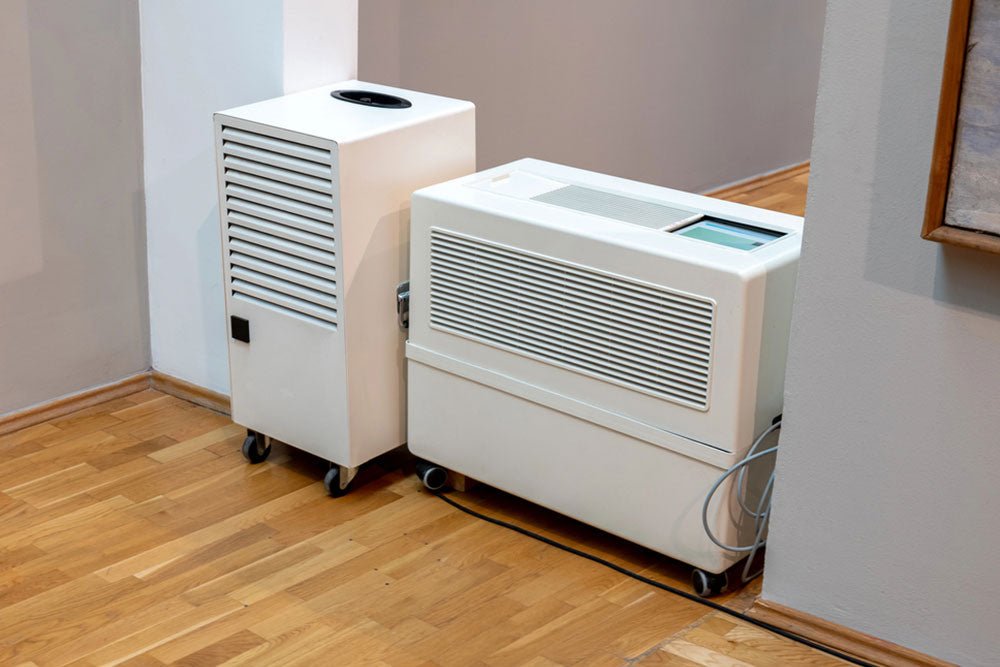
• Using dehumidifiers in humid months
• Checking homes for leaks after storms
• Ventilating bathrooms and kitchens properly
• Inspecting windows and balconies for water intrusion
Routine maintenance prevents moisture buildup and improves air quality year-round.
Preventing Humidity Build-Up Indoors
Controlling humidity is critical in coastal communities. Excess indoor humidity encourages mold growth and creates discomfort.
Homeowners can reduce humidity by:
• Running exhaust fans when cooking or showering
• Keeping doors and windows sealed during humid weather
• Using programmable thermostats
• Installing humidity monitors
• Maintaining proper airflow around AC units
Keeping indoor humidity below recommended levels protects both property and comfort.
Why Local Experience Matters for Air Quality Solutions
Coastal communities present unique air quality challenges. Professionals familiar with Bal Harbour properties understand how humidity, building design, and coastal exposure affect indoor environments.
Local specialists recognize moisture patterns in high-rise condos, luxury homes, and waterfront properties. Their experience helps ensure solutions address real causes rather than surface symptoms.
Tip Top Water and Fire Damage Restoration works throughout Bal Harbour and nearby coastal neighborhoods, helping homeowners maintain safe indoor air conditions suited to South Florida’s environment.
Creating Healthier Indoor Living Spaces
Indoor air quality affects daily comfort more than many homeowners realize. Clean air supports restful sleep, comfortable living, and long-term property preservation.
Addressing moisture, ventilation, and HVAC maintenance helps prevent odors, mold growth, and indoor discomfort. Homeowners who take proactive steps maintain healthier environments while protecting their homes’ value.
With consistent maintenance and early response to moisture issues, Bal Harbour residents can enjoy fresh, comfortable indoor air despite coastal climate challenges.