
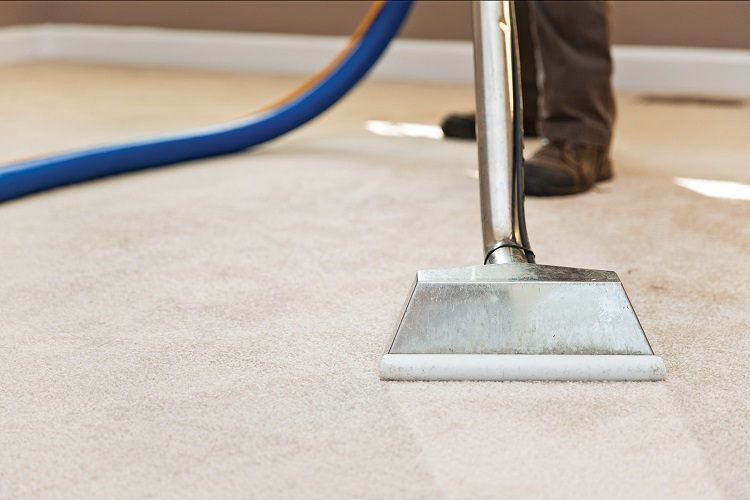
Carpet Cleaning After Water Damage in Bayfront Homes in North Miami: A Realistic Guide for Property Owners
Living in a bayfront home in North Miami offers incredible waterfront views and coastal comfort, but it also exposes properties to unique moisture and water intrusion challenges. Heavy rain, high tides, storm surges, plumbing failures, and constant humidity create conditions where indoor flooding or water seepage can happen unexpectedly. When water enters a home, carpets are usually among the first materials affected.
Carpet water damage is more serious than it appears on the surface. Without proper cleaning and drying, homeowners can face long-term problems including odors, mold growth, and structural damage. Understanding how carpet restoration works after water damage helps North Miami property owners protect their homes and avoid costly flooring replacement.
How Water Damage Happens in Bayfront Homes
Bayfront homes face water exposure from several directions. While storms and flooding are common concerns, many water damage events happen from smaller, unnoticed intrusions.
Water can enter homes through:
• Heavy rain driven through doors or windows
• Flooding from rising water levels or poor drainage
• Roof leaks during storms
• Balcony or terrace water intrusion
• Plumbing failures or appliance leaks
• Neighboring property leaks in attached buildings
Once water reaches flooring, carpets quickly absorb moisture, and water spreads beneath the surface into padding and subfloors. Even a small leak can soak large carpeted areas.
Why Bayfront Properties Face Greater Carpet Risks
Homes near Biscayne Bay face constant humidity and salt-air exposure. These factors make it harder for moisture to evaporate once carpets become wet.
Several coastal conditions increase carpet damage risks:
• High humidity slowing drying time
• Repeated seasonal storms
• Flooding risks from heavy rainfall
• Moisture entering through aging waterproofing
• AC systems running constantly and creating condensation
• Homes left unattended during travel seasons
Because bayfront properties often sit closer to water levels, minor flooding or seepage events can affect multiple rooms before being discovered.
Early Signs Carpets Have Been Affected
Water damage is not always obvious immediately after an intrusion. Often, problems appear days later as moisture trapped beneath carpets begins affecting materials.
Homeowners should watch for:
• Carpet feeling damp or soft underfoot
• Musty or sour smells indoors
• Carpet discoloration or staining
• Mold appearing near walls or furniture
• Carpet rippling or lifting
• Allergy symptoms worsening indoors
If carpets remain wet longer than 24–48 hours, deeper damage is likely occurring beneath the surface.
Hidden Moisture Beneath Carpets
The most serious issue after water intrusion is moisture trapped below carpets. Carpet padding absorbs large amounts of water and dries much slower than the visible surface.
Water frequently spreads into:
• Carpet padding
• Subfloor materials or concrete slabs
• Baseboards and drywall edges
• Furniture legs and cabinetry
• Adjacent rooms through flooring seams
Even when carpets seem dry, padding and structural materials may remain wet, creating ideal conditions for mold growth.
Why DIY Carpet Drying Often Doesn’t Work
Many homeowners try to handle wet carpets themselves using fans, towels, or rental machines. While these efforts help remove surface moisture, they rarely solve hidden problems.
DIY drying usually fails because:
• Padding remains wet underneath
• Moisture spreads beyond visible areas
• Household equipment lacks drying power
• Mold growth begins before full drying occurs
• Odors return after incomplete cleaning
Homeowners often discover weeks later that carpets still smell or mold appears, requiring full replacement that could have been avoided.
How Professional Carpet Cleaning and Drying Works
Professional water damage restoration focuses on removing moisture from carpets and underlying materials, not just cleaning surfaces.
A proper restoration process typically includes:
• High-powered water extraction removing standing water
• Lifting carpet sections to dry padding and flooring
• Removing soaked padding when necessary
• Using industrial air movers to accelerate drying
• Running commercial dehumidifiers to reduce humidity
• Sanitizing carpets to eliminate bacteria
• Deodorizing affected areas
• Monitoring moisture levels until structures are dry
Tip Top Water and Fire Damage Restoration often performs these procedures in North Miami homes, helping property owners restore carpets rather than replacing them whenever possible.
Mold Growth Risks After Wet Carpet Events
Wet carpets are one of the most common sources of mold growth in homes. Mold thrives in warm, damp environments, and coastal humidity accelerates its spread.
Mold growth can extend into:
• Wall cavities behind baseboards
• Furniture resting on wet carpet
• Closets and storage spaces
• Adjacent rooms
• HVAC systems if moisture spreads through ducts
Once mold spreads, remediation becomes more complicated and costly. Quick carpet drying dramatically reduces this risk.
Role of AC Systems During Restoration
Air conditioning systems help control humidity, but they can also complicate drying if not functioning properly.
AC condensation leaks or dirty ducts can circulate humid air throughout the home, slowing drying after flooding. Proper AC operation supports restoration by reducing indoor humidity and improving air circulation.
Inspecting AC systems after water damage helps prevent future moisture problems.
Preventing Future Carpet Water Damage
While coastal weather cannot be controlled, homeowners can reduce water damage risks through preventive maintenance and fast response.
Helpful prevention steps include:
• Inspecting windows and doors for leaks
• Maintaining roof and balcony drainage
• Checking plumbing systems regularly
• Installing leak detection sensors
• Using dehumidifiers during humid periods
• Addressing small leaks immediately
• Keeping exterior drains clear
Quick action after minor leaks prevents moisture from spreading beneath carpets.
Why Local Experience Matters in Restoration
Restoring carpets in bayfront properties requires understanding how humidity and coastal construction influence moisture spread and drying time. Homes in North Miami experience different challenges compared to inland properties.
Local restoration professionals understand how water travels in waterfront homes and how quickly mold develops in humid environments. Their experience helps ensure moisture problems are addressed correctly.
Tip Top Water and Fire Damage Restoration regularly works across North Miami and nearby waterfront communities, providing restoration solutions suited to coastal climate conditions.
Acting Quickly Protects Flooring and Property Value
Carpet water damage often seems minor at first, but hidden moisture can quickly lead to odors, mold growth, and costly replacements. Property owners who respond quickly after storms or plumbing leaks often save flooring and prevent larger structural problems.
Professional moisture detection and carpet cleaning ensure hidden wet areas are addressed before long-term damage occurs. Acting quickly helps keep North Miami bayfront homes clean, comfortable, and protected despite coastal moisture challenges.