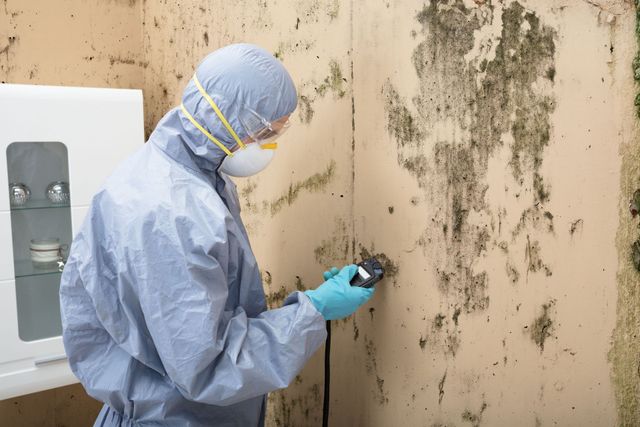
Mold Testing in Bal Harbour: Lessons Learned from Real Local Homes
Bal Harbour, Florida, is synonymous with coastal luxury — oceanfront residences, elegant condos, and a lifestyle that emphasizes comfort and aesthetic appeal. However, homeowners in this exclusive area face challenges that go beyond lifestyle maintenance. One of the most persistent and insidious issues in Bal Harbour homes is mold. Even in well-maintained properties, mold can develop silently, especially in coastal environments where humidity, salt air, and occasional flooding create ideal conditions for microbial growth.
Mold testing in Bal Harbour is not just a precaution; it’s an essential step in preserving property value, maintaining healthy indoor air quality, and preventing costly structural damage. Drawing on lessons learned from real local homes, understanding the why, when, and how of mold testing provides homeowners with the insight needed to safeguard their properties.
Why Mold Is a Concern in Bal Harbour Homes
Mold requires moisture, organic material, and warmth to thrive. Bal Harbour homes are particularly susceptible due to several environmental and structural factors:
- High Humidity: The coastal climate maintains elevated moisture levels year-round, keeping building materials damp and conducive to microbial growth.
- Salt Air Exposure: Airborne salt particles from the Atlantic can settle on surfaces, trapping moisture and accelerating material degradation.
- Frequent Rain and Storm Events: Heavy rainfall and occasional tropical storms increase the risk of water intrusion.
- Older and Luxury Construction: Many older homes or condos were built before modern moisture barriers became standard, while some luxury finishes like hardwood, tile grout, and drywall can retain moisture if not properly sealed.
- Slab Foundations and Attics: Water intrusion into slab foundations or poorly ventilated attics provides hidden environments where mold can grow unnoticed.
Even minor water incidents — from AC condensation to roof leaks — can trigger mold growth if left undetected.
Common Sources of Mold in Bal Harbour Homes
Based on real local cases, the most frequent sources of mold include:
1. HVAC Systems and Air Ducts
Air conditioning systems in coastal homes produce condensation, and when condensate lines or drip pans malfunction, moisture can accumulate. Mold spores may then circulate through ductwork, spreading contamination throughout the home.
2. Plumbing Leaks
Aging copper or PVC pipes, faulty water heaters, and appliance leaks are common contributors. Even small leaks can saturate walls, subfloors, or insulation over time.
3. Stormwater Intrusion
During heavy rainfall or hurricane events, water may penetrate roofs, windows, doors, and balconies if weatherproofing is inadequate.
4. Condensation in Hidden Spaces
Poor ventilation in attics, crawl spaces, closets, or behind cabinetry can trap humid air, creating ideal conditions for mold growth.
5. Slab and Foundation Moisture
Many Bal Harbour homes are built on slab foundations. Rising groundwater or slab saturation can introduce moisture into flooring, baseboards, and lower walls.
Early Signs Homeowners Often Miss
Mold can develop out of sight, and homeowners frequently only notice problems after they escalate. Subtle warning signs observed in local Bal Harbour homes include:
- Musty or earthy odors in closets, basements, or living areas
- Bubbling, peeling, or discolored paint on walls and ceilings
- Warping or buckling of hardwood floors or tiles
- Condensation forming on windows or HVAC ducts
- Visible black, green, or white mold colonies on less-used surfaces
- Allergy symptoms or respiratory irritation among residents
Recognizing these signs early is critical. Prompt mold testing can identify hidden colonies before they spread, minimizing both health risks and structural damage.
Lessons Learned from Real Bal Harbour Homes
Lesson 1: Mold Often Hides Behind Surfaces
In many cases, homeowners only detected mold after visible damage appeared. Inspections revealed that hidden mold frequently develops behind drywall, under flooring, or within HVAC systems. Testing is necessary to uncover these areas.
Lesson 2: Moisture Control Is Key
Homes with persistent humidity issues often experienced recurrent mold problems. Even after remediation, without dehumidification and proper ventilation, mold returned. Monitoring moisture levels is as important as remediation itself.
Lesson 3: HVAC Systems Are Common Vectors
Many local cases involved mold contamination spreading through air ducts. Regular inspection, cleaning, and moisture control in HVAC systems prevent airborne spore circulation and reduce reinfestation risk.
Lesson 4: DIY Approaches Often Fail
Homeowners attempting to clean visible mold without professional testing frequently missed hidden colonies, leading to repeated problems. Professional mold testing ensures accurate detection and remediation planning.
The Mold Testing Process
Professional mold testing in Bal Harbour homes involves a systematic approach to accurately assess contamination:
1. Initial Assessment
Technicians interview homeowners to identify observed signs, previous leaks, or areas prone to dampness. This provides context and directs the testing process.
2. Visual Inspection
Visible surfaces, HVAC units, attics, crawl spaces, and known moisture-prone areas are inspected for mold, water damage, or discoloration.
3. Moisture Detection
Moisture meters and thermal imaging cameras identify hidden damp areas behind walls, under flooring, or above ceilings.
4. Air Sampling
Air samples are collected to measure airborne spore concentrations, providing data on hidden mold colonies that may not be visible to the naked eye.
5. Surface Sampling
Swabs or tape lifts from walls, floors, or duct interiors determine the type and severity of mold present.
6. Laboratory Analysis
Collected samples are analyzed in certified labs to confirm species, concentration, and potential health implications.
7. Reporting and Recommendations
Homeowners receive a comprehensive report detailing affected areas, moisture levels, and recommendations for remediation or preventive measures.
Benefits of Professional Mold Testing
Professional testing provides several key advantages for homeowners:
- Accurate detection of hidden mold
- Identification of moisture sources driving growth
- Assessment of severity and contamination spread
- Evidence-based guidance for remediation
- Prevention of future mold recurrence
- Improved indoor air quality and health safety
Without testing, remediation may only address visible symptoms, leaving hidden colonies intact and causing recurring problems.
Preventive Measures After Mold Testing
Lessons from real Bal Harbour homes highlight effective strategies for long-term mold prevention:
- Maintain indoor humidity below 50–60% using dehumidifiers or AC systems.
- Schedule regular HVAC inspections and cleaning.
- Address plumbing leaks and AC condensation issues promptly.
- Seal roofs, windows, and doors to prevent stormwater intrusion.
- Use moisture-resistant materials in bathrooms, kitchens, and basements.
- Monitor attics, crawl spaces, and less-ventilated areas for dampness.
- Respond quickly to even minor water events to prevent mold establishment.
These measures help protect property value, maintain healthy indoor air quality, and reduce the likelihood of costly future remediation.
Why Local Expertise Matters
Bal Harbour’s coastal environment introduces specific mold challenges:
- Elevated humidity accelerates microbial growth.
- Salt air affects building materials and HVAC performance.
- Older or luxury construction can hide moisture pathways.
- Stormwater patterns increase the risk of water intrusion.
Local professionals, such as Tip Top Water and Fire Damage Restoration, understand these nuances. Their experience in Bal Harbour, North Miami Beach, Sunny Isles Beach, Aventura, Miami Shores, and Surfside ensures that mold testing and remediation are accurate, comprehensive, and tailored to local conditions.
Long-Term Benefits of Mold Testing
Mold testing provides homeowners with both peace of mind and tangible benefits:
- Confirms the presence or absence of hidden mold
- Guides effective remediation strategies
- Protects indoor air quality and resident health
- Preserves structural integrity and finishes
- Reduces risk of recurring contamination
- Maintains property value in a competitive coastal market
In Bal Harbour, where high humidity and coastal conditions are constants, proactive mold testing is a critical component of responsible homeownership.
A Practical Approach for Homeowners
Homeowners should view mold testing as part of an ongoing maintenance plan. By identifying hidden moisture and mold early, they can prevent structural damage, avoid costly repairs, and ensure safe, comfortable living conditions.
If you notice musty odors, staining, or humidity issues in your Bal Harbour home, scheduling professional mold testing is the first step toward long-term protection. Early detection combined with targeted remediation ensures your home remains healthy, structurally sound, and free from hidden mold threats.