
A Property Owner’s Guide to Moisture Detection in Aventura
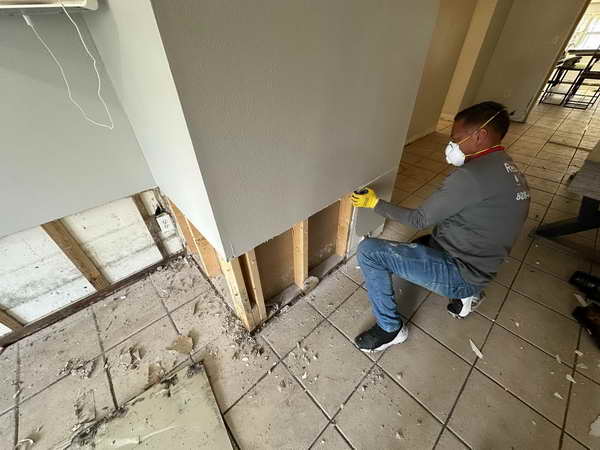
Aventura, Florida, is a sought-after coastal city, renowned for its waterfront properties, luxury residences, and tropical environment. While living near the water and in a humid climate has undeniable appeal, it also presents significant challenges for homeowners, particularly regarding moisture management. Coastal humidity, heavy rainfall, tropical storms, and air conditioning condensation can lead to hidden moisture, which often precedes mold growth, structural damage, and compromised indoor air quality.
For property owners, understanding moisture detection is essential for preserving the integrity and value of a home. This guide provides a comprehensive overview of moisture detection in Aventura, including how moisture accumulates, signs to watch for, professional detection methods, and strategies for preventing long-term damage.
Why Moisture Detection Matters
Moisture detection is more than just identifying visible water leaks—it involves finding hidden dampness within walls, floors, ceilings, and HVAC systems that may not be immediately apparent. Undetected moisture can cause:
- Mold Growth: Mold can develop within 24–48 hours in areas with persistent moisture.
- Structural Damage: Wood, drywall, and insulation weaken when exposed to prolonged dampness.
- Degraded Indoor Air Quality: Moisture supports microbial growth that can release spores and allergens into the air.
- Odors: Persistent dampness can lead to musty smells, affecting comfort and property appeal.
In a humid, coastal city like Aventura, moisture detection is a proactive step to avoid costly repairs and maintain a healthy home environment.
Common Sources of Moisture in Aventura Homes
Several factors contribute to moisture accumulation in local properties:
1. Coastal Humidity
Aventura’s proximity to the Atlantic Ocean results in high humidity levels year-round. Even when it is not raining, moisture can accumulate in walls, ceilings, and flooring, creating conditions conducive to mold growth.
2. Stormwater and Flooding
Heavy rains, tropical storms, and occasional hurricanes can introduce water into homes through roofs, windows, doors, and low-lying areas. Floodwater often infiltrates subflooring and wall cavities, creating hidden moisture that may not be immediately visible.
3. Plumbing Leaks
Faulty pipes, leaking faucets, and appliance malfunctions are common sources of localized moisture. Even minor leaks behind walls or under sinks can saturate surrounding materials over time.
4. Air Conditioning Systems
AC units in humid climates are essential for comfort, but improperly maintained systems can lead to condensation leaks. Clogged drain lines, overflowing drip pans, and inefficient duct systems can release moisture into attics, walls, or floors.
5. Roof and Window Vulnerabilities
Older or poorly maintained roofs, flashing, and window seals may allow water to seep indoors during storms or high winds, contributing to unseen dampness.
Signs That Moisture May Be Present
Homeowners can identify potential moisture issues through a variety of indicators:
- Musty or damp odors, particularly in basements, attics, or closets
- Visible water stains or discoloration on walls, ceilings, or floors
- Warping, bubbling, or peeling paint and wallpaper
- Soft or spongy flooring underfoot
- Condensation on windows, walls, or air ducts
- Increased allergy-like symptoms among occupants
Even without obvious signs, moisture can accumulate behind walls, under floors, or in ventilation systems, making professional detection essential.
Professional Moisture Detection Methods
Experts in Aventura use advanced tools and techniques to locate hidden moisture:
Step 1: Visual Inspection
Inspectors examine the property for visible signs of water intrusion, including water stains, warped flooring, and discoloration. They also evaluate high-risk areas such as bathrooms, kitchens, laundry rooms, attics, and basements.
Step 2: Moisture Meters
Moisture meters measure the water content in building materials like wood, drywall, and concrete. These devices help pinpoint areas of elevated moisture that may not be visible to the naked eye.
Step 3: Thermal Imaging Cameras
Thermal imaging detects temperature differences within walls and ceilings, which can indicate the presence of moisture. This non-invasive method allows inspectors to locate hidden damp spots without damaging the property.
Step 4: Humidity Measurement
Monitoring relative humidity in various rooms helps identify spaces at risk for moisture accumulation. Maintaining indoor humidity below 60% reduces the likelihood of mold growth.
Step 5: Air and Surface Sampling
For homes with suspected mold growth, inspectors may take air samples and surface swabs. Laboratory analysis determines the presence and type of microbial contamination, guiding targeted remediation efforts.
Real-World Observations from Aventura Homes
Professional moisture detection in Aventura has revealed recurring patterns in coastal properties:
- Attics and Roof Leaks: Even minor roof damage can introduce moisture to attic insulation and ceiling structures, which may go unnoticed until mold develops.
- AC System Leaks: Condensation leaks from air conditioning units are common, often saturating walls, ceilings, or ductwork over time.
- Subfloor Moisture: Flooding and stormwater often leave water trapped beneath flooring, particularly in ground-level rooms and waterfront properties.
- Wall Cavities: Plumbing leaks or condensation inside wall cavities frequently go undetected, creating hidden dampness that supports microbial growth.
These observations highlight the importance of thorough inspection and detection to prevent long-term property damage.
Preventing Moisture-Related Problems
Detecting moisture is only the first step; preventing future issues requires ongoing care:
- Maintain Humidity Levels: Use air conditioning, dehumidifiers, and proper ventilation to keep indoor humidity below 60%.
- Regular AC Maintenance: Clean drip pans, filters, and ducts to prevent leaks and moisture accumulation.
- Prompt Plumbing Repairs: Address leaks or faulty appliances immediately to reduce water exposure.
- Roof and Window Upkeep: Inspect roofs, flashing, and window seals annually and after storms.
- Install Moisture Sensors: Place sensors in basements, crawl spaces, and near water sources to detect early signs of water intrusion.
- Professional Inspections: Schedule periodic moisture detection inspections, particularly after heavy rains or seasonal storms.
The Value of Local Expertise
Aventura’s coastal environment presents unique challenges that require specialized knowledge. Local professionals, such as Tip Top Water and Fire Damage Restoration, bring valuable expertise:
- Understanding how high humidity, coastal air, and stormwater impact moisture accumulation
- Identifying hidden moisture behind walls, under floors, and within HVAC systems
- Providing targeted recommendations for remediation and prevention
- Guiding homeowners on maintaining a dry, healthy, and structurally sound property
Local expertise ensures that moisture detection is accurate, effective, and tailored to the specific needs of Aventura homes.
Conclusion
Moisture detection is a critical component of property maintenance in Aventura. Coastal humidity, seasonal storms, plumbing issues, AC leaks, and aging construction materials make homes vulnerable to hidden water intrusion. Professional detection methods—including visual inspections, moisture meters, thermal imaging, humidity monitoring, and microbial sampling—help identify and address potential problems before they escalate.
By implementing preventive strategies such as maintaining humidity levels, repairing leaks promptly, servicing AC systems, and scheduling regular inspections, property owners can safeguard indoor air quality, prevent mold growth, and preserve the structural integrity of their homes. Proactive moisture detection is not only a preventive measure—it is an essential investment in the long-term health, safety, and value of Aventura properties.