
Why Mold Testing Becomes Necessary in Sunny Isles Beach in Rental Properties
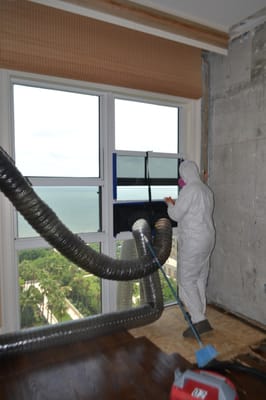
Sunny Isles Beach, Florida, is a highly desirable coastal community known for its luxury condominiums, rental apartments, and waterfront properties. While the city offers residents and renters beautiful ocean views and year-round sunshine, the humid coastal climate presents a unique set of challenges for property owners—particularly when it comes to mold. For landlords and property managers, mold testing in rental properties is not only a matter of property preservation but also an essential aspect of ensuring tenant safety, maintaining property value, and complying with local maintenance standards.
This guide explores why mold testing becomes necessary in Sunny Isles Beach rental properties, the risks of neglecting it, signs of mold presence, the inspection process, and strategies to prevent long-term damage.
Understanding Mold and Its Implications
Mold is a type of fungus that grows in environments where moisture is present. It feeds on organic materials such as drywall, wood, insulation, and carpeting. While some mold species are relatively harmless, others—including black mold (Stachybotrys chartarum)—can lead to property damage and reduce indoor air quality.
For rental properties in Sunny Isles Beach, unchecked mold can have several implications:
- Structural Damage: Persistent moisture can weaken walls, ceilings, and flooring.
- Tenant Complaints: Musty odors, visible mold, and water damage create dissatisfaction and can lead to lease disputes.
- Legal and Financial Risks: Landlords may face claims if tenants experience health issues or property damage due to mold exposure.
- Decreased Property Value: Mold issues, if unresolved, reduce rental appeal and property resale value.
Coastal properties are particularly vulnerable due to high humidity, seasonal storms, and occasional flooding—all of which create ideal conditions for mold growth.
Why Mold Testing Is Essential in Rental Properties
Mold testing in rental properties is a proactive measure that helps landlords identify and address moisture and mold issues before they escalate. Here are the main reasons it is necessary:
1. Early Detection of Hidden Mold
Visible mold is only the tip of the iceberg. Often, mold grows behind walls, under flooring, or inside HVAC systems, remaining undetected until it causes structural damage or indoor air quality problems. Professional mold testing identifies hidden contamination that might otherwise go unnoticed.
2. Protecting Tenants’ Health
While mold exposure does not always cause illness, it can exacerbate respiratory conditions, allergies, and asthma. Rental properties frequently house diverse tenants, including children and elderly residents who may be more sensitive to mold spores. Testing ensures that the indoor environment is safe and habitable.
3. Compliance with Maintenance Standards
Property management in Sunny Isles Beach requires landlords to maintain habitable conditions. Regular mold testing demonstrates a commitment to proper upkeep, minimizing potential disputes with tenants or local authorities.
4. Preventing Costly Repairs
Mold and moisture-related damage can spread quickly if left unaddressed. Early testing allows landlords to identify problem areas and remediate them before structural repairs or replacement of flooring, drywall, and insulation becomes necessary.
5. Enhancing Property Value and Appeal
Rental properties that are well-maintained, with documented mold testing, attract responsible tenants and maintain higher occupancy rates. Prospective renters are more likely to choose a property that demonstrates a proactive approach to moisture management.
Common Causes of Mold in Sunny Isles Beach Rental Properties
Several factors make rental properties in this coastal area particularly susceptible to mold growth:
Coastal Humidity
Sunny Isles Beach experiences high humidity year-round. Moisture can penetrate walls, ceilings, and flooring, creating conditions favorable for mold even when there is no visible water intrusion.
Stormwater and Flooding
Heavy rains, hurricanes, and storm surges can lead to flooding in ground-level units or basements. Water that seeps into a property can infiltrate wall cavities, subflooring, and HVAC systems.
AC Condensation
Air conditioning is essential for comfort in the humid climate, but improper maintenance can lead to leaks or condensation accumulation. Moisture from AC systems often goes unnoticed and can promote mold growth behind walls, ceilings, or ductwork.
Plumbing Issues
Leaking pipes, faucets, or water heaters are common sources of moisture in rental properties. Even minor leaks over time can create a hidden mold problem that affects both the property and tenants.
Tenant Habits
High moisture activities, such as excessive showering without proper ventilation, indoor drying of laundry, or infrequent AC use, can contribute to mold growth in enclosed spaces.
Signs That Mold May Be Present
Even before professional testing, landlords or property managers can look for indicators of mold:
- Musty or earthy odors in rooms, closets, or air ducts
- Water stains, discoloration, or bubbling on walls and ceilings
- Warped or softened flooring
- Peeling paint or wallpaper
- Increased reports of allergy symptoms from tenants
Not all mold is visible, which underscores the importance of regular testing, especially in coastal rental units.
The Mold Testing Process
Professional mold testing in rental properties involves several steps:
Step 1: Visual Inspection
Inspectors assess the property for visible signs of water damage, leaks, and mold growth. High-risk areas such as bathrooms, kitchens, laundry rooms, and HVAC systems receive special attention.
Step 2: Moisture Detection
Moisture meters and thermal imaging cameras identify hidden damp areas within walls, ceilings, floors, and ductwork. Relative humidity measurements help pinpoint spaces prone to mold growth.
Step 3: Sampling
- Air Samples: Collect spores from the indoor air to detect hidden contamination.
- Surface Swabs: Test mold on walls, flooring, or HVAC components.
- Laboratory Analysis: Samples are analyzed to determine species, concentration, and severity.
Step 4: Reporting
Inspectors provide a detailed report outlining affected areas, moisture sources, mold species, and recommended remediation strategies. Landlords receive guidance on immediate steps to protect tenants and prevent further growth.
Preventing Mold in Rental Properties
Mold testing is most effective when combined with preventive measures:
- Maintain Humidity Levels: Keep indoor humidity below 60% using AC and dehumidifiers.
- Promptly Address Leaks: Repair plumbing, roof, and window leaks immediately.
- AC and Duct Maintenance: Regularly clean condensate lines, drip pans, and ducts to prevent moisture accumulation.
- Tenant Education: Encourage tenants to report leaks promptly and use ventilation in high-moisture areas.
- Use Moisture-Resistant Materials: Consider mold-resistant drywall, insulation, and paints in high-risk areas.
- Routine Inspections: Schedule regular professional mold testing, especially after storms, heavy rains, or hurricane season.
Real-World Observations from Sunny Isles Beach Rental Properties
Professional inspections in Sunny Isles Beach reveal recurring patterns:
- Hidden Moisture in Wall Cavities: Plumbing leaks behind walls often go unnoticed, promoting mold growth.
- AC System Issues: Condensation in ductwork or clogged drain lines frequently leads to damp ceilings or flooring.
- Flood-Prone Units: Ground-level rental units in waterfront buildings are at higher risk for water intrusion after storms, increasing the likelihood of mold.
- Tenant-Related Moisture: Activities like indoor laundry drying or prolonged shower use without ventilation contribute to damp conditions in bathrooms and kitchens.
These observations demonstrate why proactive testing and maintenance are critical for rental property owners.
The Value of Local Expertise
Sunny Isles Beach presents unique environmental challenges. Local mold inspection professionals, such as Tip Top Water and Fire Damage Restoration, offer expertise in:
- Coastal humidity and its impact on moisture accumulation
- Identifying hidden mold behind walls, under flooring, and within HVAC systems
- Tailoring remediation and prevention strategies for rental properties
- Ensuring compliance with local maintenance standards and tenant safety guidelines
Local knowledge ensures inspections are thorough, accurate, and effective, reducing the likelihood of recurring mold problems.
Conclusion
Mold testing in Sunny Isles Beach rental properties is an essential component of property management. Coastal humidity, plumbing leaks, AC condensation, stormwater intrusion, and tenant habits create environments conducive to hidden mold growth. Professional testing identifies both visible and concealed contamination, providing landlords with actionable information to maintain property integrity and tenant safety.
By combining mold testing with preventive strategies—such as maintaining humidity, prompt leak repairs, AC and duct maintenance, tenant education, and periodic inspections—rental property owners can protect indoor air quality, preserve structural integrity, and maintain property value. Proactive mold management is not only a safeguard for the property but also an investment in tenant satisfaction and long-term rental success.