
Explaining the Process of Mold Testing in Miami Shores
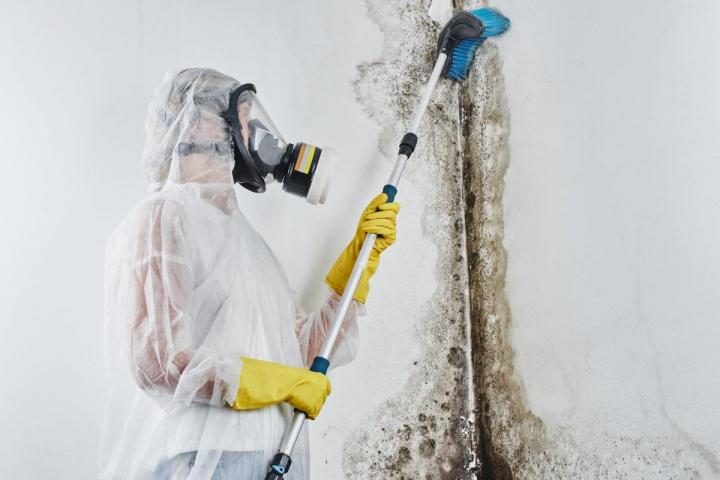
Miami Shores, Florida, is a coastal community known for its charming homes, tree-lined streets, and proximity to Biscayne Bay. While the area is desirable for its lifestyle and waterfront access, the humid tropical climate, heavy seasonal rains, and occasional storms create a high risk for moisture accumulation and mold growth. For homeowners, understanding the process of mold testing is critical to protecting property value, maintaining structural integrity, and ensuring a healthy indoor environment.
This guide provides a detailed explanation of mold testing in Miami Shores, including why it is necessary, common signs of mold, the testing process, and preventive measures for homeowners.
Understanding Mold and Its Impact
Mold is a type of fungus that grows in damp environments, feeding on organic materials such as drywall, wood, insulation, and carpeting. In Miami Shores, where humidity often exceeds 60% and storms can introduce additional moisture, mold growth can occur rapidly—sometimes within 24–48 hours after water exposure.
While not all molds are toxic, unchecked growth can cause:
- Property Damage: Mold can weaken structural components like walls, ceilings, and flooring.
- Unpleasant Odors: Musty smells permeate homes and are difficult to eliminate without remediation.
- Indoor Air Quality Issues: Mold spores released into the air can trigger allergies and respiratory discomfort.
- Increased Repair Costs: Early detection through testing can prevent expensive structural repairs and mold remediation later.
For homeowners in Miami Shores, mold testing is a proactive step to identify hidden moisture and mold growth before it becomes a larger problem.
Why Mold Testing Is Necessary
There are several reasons why professional mold testing is essential in Miami Shores homes:
1. Hidden Mold Detection
Mold often grows in concealed areas, such as behind walls, under flooring, inside attics, or within HVAC ducts. Professional testing identifies contamination that may not be visible during routine inspections.
2. Preventing Structural Damage
Moisture left untreated can compromise wood framing, subflooring, and drywall. Early testing allows homeowners to address moisture sources and prevent costly structural repairs.
3. Ensuring Healthy Indoor Air Quality
Testing helps detect airborne mold spores and surface contamination that can negatively impact indoor air quality. Maintaining a safe environment is especially important for families, children, and residents with respiratory sensitivities.
4. Legal and Insurance Considerations
For homeowners selling or renting property in Miami Shores, documented mold testing provides evidence that the home has been professionally inspected. This documentation can be important for insurance claims or real estate transactions.
5. Peace of Mind
Knowing that a home has been thoroughly inspected for mold gives homeowners confidence that potential risks are identified and addressed before they escalate.
Common Causes of Mold in Miami Shores
Several factors contribute to mold growth in local homes:
- High Humidity: Coastal humidity creates conditions where even minor moisture can lead to mold growth.
- Stormwater and Flooding: Heavy rains or hurricanes can allow water to enter homes through roofs, windows, or doors.
- Plumbing Leaks: Broken pipes, water heaters, and leaking faucets are frequent sources of hidden moisture.
- AC Condensation: Air conditioning systems remove humidity from the air, but leaks or clogged condensate lines can introduce moisture into walls and ceilings.
- Poor Ventilation: Inadequate airflow in bathrooms, kitchens, or attics can trap moisture, allowing mold to flourish.
Understanding these factors helps homeowners target areas for inspection and testing.
Signs That Mold May Be Present
Even without professional testing, homeowners may notice indicators of mold growth:
- Musty or earthy odors in rooms, closets, or crawl spaces
- Visible mold growth, often black, green, or gray
- Water stains or discoloration on walls, ceilings, or flooring
- Warped or soft wood, laminate, or flooring
- Peeling paint or wallpaper
- Condensation on windows, walls, or HVAC ducts
Because mold can remain hidden, professional testing is often the only reliable way to confirm contamination.
The Mold Testing Process in Miami Shores
Professional mold testing involves a series of steps designed to locate and quantify mold contamination.
Step 1: Initial Visual Inspection
Inspectors begin by examining the property for visible signs of water damage, leaks, and mold growth. Areas with higher moisture risk, such as bathrooms, kitchens, attics, basements, and HVAC systems, receive particular attention.
Step 2: Moisture Detection
Advanced tools are used to locate hidden moisture:
- Moisture Meters: Measure water content in walls, wood, and flooring.
- Thermal Imaging Cameras: Detect temperature differences indicative of moisture behind walls or ceilings.
- Humidity Sensors: Measure indoor humidity levels to identify areas prone to mold growth.
Step 3: Air and Surface Sampling
To confirm mold presence and identify species, inspectors collect:
- Air Samples: Assess the concentration of mold spores in the indoor air.
- Surface Samples: Test walls, flooring, or HVAC components for microbial contamination.
- Laboratory Analysis: Determines mold type, severity, and potential risk levels.
Step 4: Reporting
Inspectors provide a detailed report highlighting:
- Affected areas and the extent of mold growth
- Identified moisture sources contributing to mold
- Mold species detected and their concentrations
- Recommendations for remediation and preventive measures
The report serves as a roadmap for homeowners to address mold safely and efficiently.
Real-World Observations in Miami Shores Homes
Professional inspections in Miami Shores have revealed common patterns:
- Hidden Wall Moisture: Leaking pipes or condensation within wall cavities are frequent sources of hidden mold.
- AC-Related Growth: Moisture in ducts or drip pans often leads to mold on ceilings or near vents.
- Flood-Prone Areas: Ground-level homes and waterfront properties frequently experience water intrusion after storms, contributing to mold in subflooring and wall cavities.
- Attic Mold: Roof leaks and poor ventilation in attics allow mold to develop on insulation, rafters, and ceilings.
These observations emphasize the need for professional mold testing and early intervention.
Preventing Future Mold Problems
After mold testing, homeowners should implement strategies to prevent recurrence:
- Maintain Indoor Humidity Below 60%: Use AC systems and dehumidifiers to control moisture.
- Repair Leaks Promptly: Address plumbing, roof, and window leaks immediately.
- Regular AC and Duct Maintenance: Clean drip pans, filters, and ducts to prevent moisture buildup.
- Improve Ventilation: Ensure proper airflow in kitchens, bathrooms, and attics.
- Use Mold-Resistant Materials: Consider mold-resistant drywall, paint, and insulation in high-risk areas.
- Routine Inspections: Schedule periodic mold testing, particularly after storms or periods of high humidity.
The Value of Local Expertise
Miami Shores homes face challenges unique to coastal Florida. Local professionals, such as Tip Top Water and Fire Damage Restoration, offer:
- Knowledge of coastal humidity and stormwater impact on homes
- Expertise in identifying hidden mold in walls, floors, and HVAC systems
- Tailored remediation and prevention strategies
- Guidance for maintaining healthy indoor air quality and structural integrity
Local experience ensures that mold testing is both accurate and effective, reducing the likelihood of recurring problems.
Conclusion
Mold testing is a crucial aspect of home maintenance in Miami Shores. Coastal humidity, plumbing issues, AC leaks, stormwater intrusion, and poor ventilation create environments where mold can thrive. Professional testing identifies both visible and hidden contamination, providing homeowners with actionable information to remediate mold safely.
By combining mold testing with preventive measures—such as controlling humidity, repairing leaks promptly, maintaining HVAC systems, improving ventilation, and using mold-resistant materials—homeowners can protect indoor air quality, prevent structural damage, and preserve the long-term value of their property. In a coastal city like Miami Shores, proactive mold testing is an essential investment in the health, safety, and comfort of any home.