
Long-Term Protection Tips Related to Fire Damage Restoration in North Miami
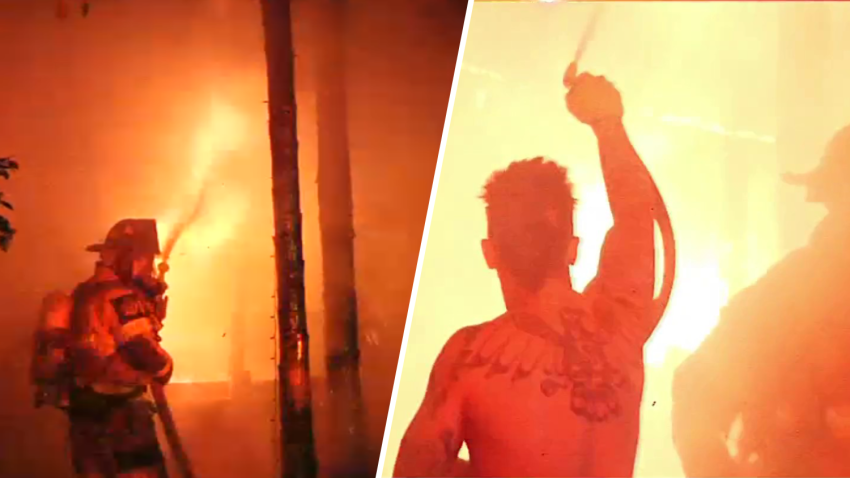
North Miami, Florida, is a vibrant coastal community celebrated for its waterfront properties, diverse neighborhoods, and warm, humid climate. While homeowners here enjoy the benefits of coastal living, the region also presents challenges that can exacerbate the effects of fire incidents. Humidity, high winds, and aging infrastructure can intensify the consequences of a home fire, making fire damage restoration not only necessary for immediate recovery but also for long-term property protection.
For homeowners, understanding the process of fire restoration and implementing long-term protection strategies is essential. This guide outlines practical tips for maintaining a safe, resilient home after fire damage in North Miami, focusing on structural integrity, indoor air quality, and preventive maintenance.
Understanding Fire Damage in Coastal Homes
Fire damage is often more than just charred walls and burnt furniture. In North Miami, coastal environmental factors can amplify fire-related risks:
- High Humidity: After firefighting efforts or sprinkler activation, moisture can accumulate in walls, ceilings, and flooring, leading to potential mold growth.
- Salt-Air Exposure: Coastal air with higher salt content can corrode metal fixtures, wiring, and HVAC components after a fire.
- Storm Susceptibility: Homes already weakened by fire may be more vulnerable to leaks or flooding during seasonal storms.
Recognizing the multifaceted impact of fire helps homeowners approach restoration with a long-term perspective.
Why Long-Term Protection Matters
Immediate restoration addresses visible damage, but long-term protection focuses on preventing future problems and ensuring that the home remains safe, habitable, and structurally sound. Key reasons include:
- Preventing Secondary Damage: Water used during firefighting can cause wood rot, mold growth, and deterioration of drywall or flooring.
- Maintaining Indoor Air Quality: Soot, smoke residues, and chemical byproducts from fires can linger, impacting breathing and comfort if not properly addressed.
- Preserving Structural Integrity: Heat and flames weaken wood framing, drywall, and subflooring, which may compromise safety if left untreated.
- Protecting Investment: Homes in North Miami are valuable coastal assets; proactive restoration safeguards property value.
- Enhancing Future Safety: Restoration provides an opportunity to upgrade safety features and reduce fire risk.
Step 1: Immediate Fire Damage Assessment
A comprehensive assessment is the foundation of effective long-term restoration:
- Structural Evaluation: Inspect the foundation, load-bearing walls, and roof for heat-related damage or compromise.
- Electrical Systems: Fires can damage wiring and circuits; evaluation ensures safety and compliance with local codes.
- HVAC and Ductwork: Soot and heat exposure can contaminate ducts, reducing indoor air quality and requiring professional cleaning.
- Surface Contamination: Smoke residues on walls, ceilings, and floors need proper cleaning to prevent odors and discoloration.
Professional restoration specialists in North Miami recommend a thorough assessment before any cleanup begins to prevent hidden issues from escalating.
Step 2: Water and Smoke Removal
Fire restoration often involves addressing water and smoke damage simultaneously:
- Water Removal: Standing water from firefighting efforts must be extracted promptly to prevent mold and rot. High-powered pumps, wet/dry vacuums, and dehumidifiers are commonly used.
- Smoke Residue Cleaning: Soot and ash settle on surfaces and within HVAC systems. Specialized cleaning agents remove residues without damaging paint, flooring, or cabinetry.
- Odor Control: Smoke penetrates porous materials; deodorizing treatments or ozone generators help restore air quality.
Proper removal of water and smoke residues is critical for long-term home health and comfort.
Step 3: Structural Drying and Stabilization
Following immediate cleanup, the home must be dried and structurally stabilized:
- Drying Walls and Flooring: Industrial air movers and dehumidifiers ensure that moisture trapped in walls, subflooring, or ceilings is eliminated.
- Reinforcing Weak Structures: Fire can weaken beams, joists, and trusses; repairs or reinforcements restore safety.
- Preventing Mold Growth: Moisture control prevents secondary mold damage, particularly in humid North Miami climates.
Structural stabilization is a key step in protecting the home from future damage and ensuring it remains safe for occupants.
Step 4: Long-Term Fire Damage Prevention
Once restoration is complete, homeowners can implement strategies to reduce the likelihood of future fire damage:
- Electrical System Maintenance: Regular inspections of wiring, outlets, and circuit breakers prevent electrical fires.
- HVAC Care: Clean ducts, replace filters, and maintain units to reduce heat buildup and potential ignition points.
- Fire-Resistant Materials: Consider fire-resistant insulation, roofing, and drywall in vulnerable areas.
- Smoke and Heat Detectors: Ensure functional detectors on every floor and replace batteries regularly.
- Safe Storage Practices: Keep flammable liquids away from living areas and ensure proper labeling.
- Routine Home Inspections: Identify early signs of potential fire hazards, such as frayed cords or faulty appliances.
- Emergency Planning: Maintain accessible fire extinguishers and develop a family evacuation plan.
These strategies not only prevent future fires but also reduce the severity of potential incidents.
Protecting Indoor Air Quality Long-Term
Fire and smoke leave behind residues that can linger and impact breathing comfort:
- HVAC Cleaning: Professional duct cleaning removes soot and contaminants trapped in ventilation systems.
- Air Filtration: High-efficiency air filters reduce residual particles and improve indoor air quality.
- Surface Maintenance: Routine cleaning of walls, ceilings, and flooring prevents buildup of smoke residues.
- Moisture Control: Maintaining low indoor humidity reduces the risk of mold growth post-fire.
Long-term air quality maintenance is essential, especially for coastal homes where humidity is consistently high.
Real-World Observations in North Miami Homes
Fire restoration specialists in North Miami observe recurring challenges that homeowners should be aware of:
- Hidden Water Damage: Sprinkler systems and firefighting hoses saturate walls and subflooring, leading to unseen mold growth.
- Salt-Air Corrosion: Coastal salt exposure accelerates corrosion of metal components, requiring additional protective measures.
- HVAC Contamination: Smoke and soot penetrate ducts, often requiring deep cleaning to restore safe airflow.
- Structural Weakness: Heat from fires can compromise wooden framing, even when damage is not immediately visible.
These experiences highlight the importance of a comprehensive approach to restoration and long-term protection.
Partnering with Local Experts
North Miami homes face environmental challenges unique to coastal Florida. Working with local professionals, such as Tip Top Water and Fire Damage Restoration, ensures:
- Expertise in handling combined water and fire damage in humid, coastal conditions
- Knowledge of local building codes and safety regulations
- Use of advanced tools for moisture detection, structural assessment, and soot removal
- Tailored recommendations for preventive maintenance and long-term protection
Local expertise ensures that restoration and preventive strategies are effective and sustainable for the specific challenges of North Miami properties.
Conclusion
Fire damage restoration in North Miami is more than an immediate cleanup—it is an investment in long-term property safety, structural integrity, and indoor air quality. Coastal humidity, storm exposure, and salt-laden air create conditions that can exacerbate fire damage and complicate recovery.
By conducting thorough assessments, removing water and smoke residues, drying and stabilizing structures, and implementing long-term protection strategies, homeowners can reduce the risk of future damage. Preventive measures such as regular electrical inspections, HVAC maintenance, fire-resistant materials, and ongoing air quality management ensure that homes remain safe and resilient.
Proactive fire damage restoration and long-term protection strategies help North Miami homeowners preserve their property value, maintain a healthy living environment, and enjoy peace of mind in a region where environmental factors demand vigilance and expertise.