What Really Causes the Need for Water Removal in North Miami Beach
North Miami Beach, Florida, is a dynamic coastal city offering waterfront living, tropical landscapes, and a vibrant residential community. While the proximity to Biscayne Bay and the Atlantic Ocean creates an idyllic environment, it also introduces unique challenges for homeowners, landlords, and property managers. One of the most significant and frequent issues in this area is water intrusion, which can quickly escalate into extensive property damage if not addressed.
Understanding what truly drives the need for water removal is critical for safeguarding property value, preserving structural integrity, and maintaining indoor air quality. Drawing on lessons from real North Miami Beach homes, this guide explores the primary causes of water intrusion, how to identify the need for professional water removal, and strategies for long-term protection.
Environmental Factors That Contribute to Water Damage
North Miami Beach’s coastal environment makes homes particularly vulnerable to moisture-related problems. Some key environmental contributors include:
- High Humidity: The region experiences elevated humidity year-round, creating conditions where building materials and finishes retain moisture, often unnoticed.
- Stormwater and Rain Events: Intense summer rains, thunderstorms, and occasional tropical storms can overwhelm drainage systems and flood residential areas.
- Rising Water Tables: Proximity to Biscayne Bay and underground aquifers increases the likelihood of groundwater seepage into slab foundations, basements, or crawl spaces.
- Salt Air Exposure: Salt-laden air from the ocean accelerates corrosion, moisture retention, and deterioration of building materials.
- Temperature Fluctuations: Seasonal heat, combined with high humidity, can lead to condensation issues, particularly in poorly ventilated areas.
Together, these factors create a persistent risk of water intrusion that can affect flooring, walls, attics, HVAC systems, and more.
Common Causes of Water Intrusion in North Miami Beach Homes
Real-world cases in North Miami Beach reveal several recurring sources of water intrusion, each contributing to the need for professional water removal.
1. Plumbing Failures
Leaking pipes, pinhole corrosion, or burst supply lines are frequent causes of water accumulation. Water heaters, washing machines, dishwashers, and ice makers can also contribute to localized flooding.
2. Roof and Flashing Leaks
Damaged shingles, deteriorated flashing, and clogged gutters allow rainwater to penetrate roofs and ceilings, often infiltrating attics and upper walls.
3. Stormwater Intrusion
Heavy rainfall, tropical storms, and hurricane-driven surges can overwhelm property grading or drainage systems, leading to standing water around foundations or direct entry through doors, windows, or garage areas.
4. AC Condensation Issues
Air conditioning systems in North Miami Beach homes produce significant condensation. Clogged drain lines, malfunctioning drip pans, or leaks in air handlers can saturate floors, walls, or ductwork.
5. Flooding and Groundwater Seepage
Low-lying properties near canals, Biscayne Bay, or other water sources may experience rising groundwater during periods of heavy rainfall or storm surges, contributing to water intrusion through slabs or crawl spaces.
6. Appliance Malfunctions
Even minor appliance leaks can escalate into larger problems if unnoticed. Water from refrigerators, dishwashers, or washing machines can seep under floors, behind cabinetry, or into wall cavities.
Recognizing the Signs That Water Removal Is Needed
Early detection of water intrusion is crucial to prevent long-term damage. Homeowners in North Miami Beach should watch for the following indicators:
- Standing water or persistent damp spots on floors or walls
- Musty or moldy odors
- Bubbling, peeling, or discolored paint
- Warped, buckled, or soft flooring
- Visible mold growth in attics, crawl spaces, or behind cabinets
- Condensation on windows, ducts, or AC units
- Unexplained spikes in water bills, suggesting hidden leaks
- Sagging ceilings or structural irregularities
Even minor leaks can become major problems over time if not addressed promptly, highlighting the importance of professional water removal services.
How Water Damage Escalates Without Timely Intervention
When water is allowed to sit or spread, several long-term issues may develop:
1. Structural Damage
Water can weaken wooden framing, drywall, subfloors, and ceilings, compromising structural integrity.
2. Mold and Microbial Growth
In North Miami Beach’s humid climate, mold can begin growing within 24–48 hours of water intrusion. Mold not only damages materials but also affects indoor air quality.
3. Electrical Hazards
Water infiltration can reach electrical outlets, wiring, and appliances, creating fire risks and potential damage to electronics.
4. HVAC and Duct Contamination
Water entering HVAC systems can lead to mold growth within ducts, spreading contaminants throughout the home.
5. Odor Penetration
Water-soaked materials, particularly carpets, fabrics, and insulation, can retain odors that become increasingly difficult to remove over time.
The Water Removal Process
Professional water removal ensures that both visible and hidden moisture are addressed. The process generally involves:
1. Assessment and Inspection
Technicians identify the source, extent, and location of water intrusion using moisture meters, thermal imaging cameras, and visual inspections. Hidden water pockets behind walls, under floors, and in attics are detected at this stage.
2. Water Extraction
Standing water is removed using industrial pumps and wet/dry vacuums. Rapid extraction reduces the risk of mold growth and structural compromise.
3. Drying and Dehumidification
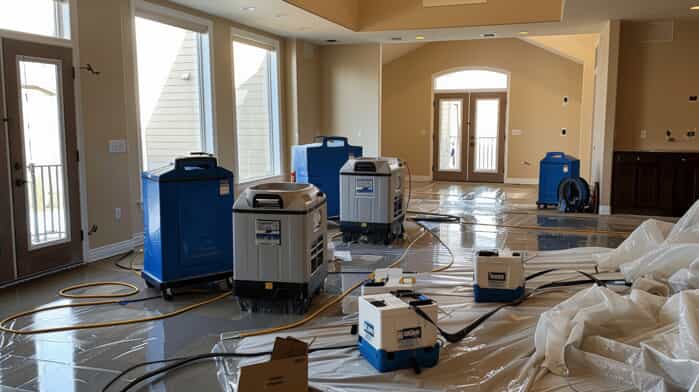
High-powered air movers and dehumidifiers target affected areas, ensuring that floors, walls, subfloors, and cavities return to safe moisture levels.
4. Material Evaluation
Drywall, flooring, insulation, and cabinetry are inspected to determine what can be salvaged and what requires removal and replacement.
5. Cleaning and Sanitization
Antimicrobial solutions are applied to prevent mold, remove contaminants, and restore indoor air quality.
6. Restoration
Damaged materials are repaired or replaced, including drywall, flooring, cabinetry, and baseboards. Structural repairs may also be necessary if framing or support elements were affected.
7. Verification and Follow-Up
Moisture levels are rechecked to confirm proper drying, and follow-up inspections may be scheduled to ensure long-term protection.
Lessons Learned from Real North Miami Beach Homes
Experience in local properties highlights important insights:
- Hidden Water Is Common: Even minor leaks can saturate wall cavities, subfloors, and ductwork.
- Quick Action Prevents Mold: Immediate water removal drastically reduces microbial growth risks.
- Humidity Accelerates Damage: North Miami Beach’s tropical climate magnifies the effects of water exposure.
- HVAC Systems Require Attention: Air ducts and AC units can harbor water and mold if neglected.
These lessons reinforce the importance of timely, professional water removal combined with preventive measures.
Long-Term Protection Strategies
To reduce the risk of recurring water problems, homeowners and property managers should adopt long-term strategies:
1. Regular Plumbing Inspections
Check pipes, appliances, and water heaters for leaks or signs of deterioration. Replace aging components proactively.
2. Roof and Gutter Maintenance
Inspect and clean shingles, flashing, and gutters. Ensure proper drainage away from the home’s foundation.
3. Control Indoor Humidity
Use air conditioning, dehumidifiers, and proper ventilation to maintain humidity below 50–60%.
4. Seal Vulnerable Entry Points
Weatherproof windows, doors, and foundation cracks to prevent rainwater and salt-laden air from entering the home.
5. Elevate Appliances in Flood-Prone Areas
Consider raising water heaters, HVAC units, and electrical panels above potential water levels.
6. Landscaping and Grading
Proper grading, swales, and drainage systems around the property help direct stormwater away from foundations.
7. Schedule Professional Inspections
Routine inspections of roofing, plumbing, HVAC systems, and basements detect potential water issues before they escalate.
Why Local Expertise Matters
North Miami Beach homes face unique challenges due to their tropical, coastal environment. Local professionals understand:
- The effects of humidity and salt air on building materials and HVAC systems
- Common water intrusion points in slab foundations, attics, and older homes
- Best practices for water extraction, drying, and long-term protection in coastal properties
- Preventive measures tailored to seasonal storms and heavy rainfall
Tip Top Water and Fire Damage Restoration, with experience serving North Miami Beach, North Miami, Sunny Isles Beach, Bal Harbour, Aventura, Miami Shores, Surfside, and Biscayne Park, provides homeowners with the knowledge and tools to effectively address water removal needs.
Benefits of Prompt Water Removal
Timely and professional water removal offers numerous advantages:
- Protects structural integrity of floors, walls, and ceilings
- Reduces the risk of mold growth and microbial contamination
- Maintains indoor air quality
- Prevents long-term property damage and costly repairs
- Preserves home value in high-demand coastal neighborhoods
- Provides peace of mind for homeowners and property managers
A Practical Approach for Homeowners
Property owners should treat water intrusion as an urgent concern. By detecting water early, engaging professional water removal services, and implementing preventive measures, they can:
- Prevent structural and material damage
- Protect indoor air quality and occupant health
- Reduce long-term repair and restoration costs
- Maintain property value and functionality in coastal neighborhoods
In North Miami Beach, combining timely intervention with proactive strategies ensures that homes remain safe, healthy, and resilient against water-related risks.