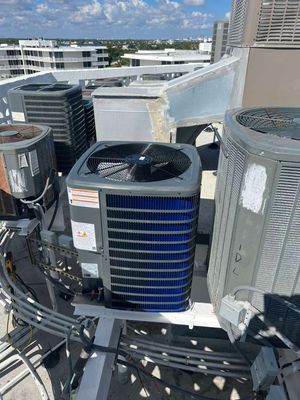
Long-Term Protection Tips Related to AC Moisture Repair in Bayfront Homes in North Miami
North Miami, Florida, is home to numerous bayfront properties that offer stunning waterfront views, tropical breezes, and an enviable lifestyle. However, living on or near the water comes with unique challenges, particularly related to high humidity and moisture management. One of the most common and insidious issues in bayfront homes is moisture buildup in air conditioning systems.
AC units are essential for comfort in North Miami’s tropical climate, but when moisture accumulates due to leaks, condensation, or poor drainage, it can lead to water damage, mold growth, structural issues, and indoor air quality problems. For homeowners, landlords, and property managers, understanding AC moisture repair and long-term protection strategies is critical for preserving property value and preventing recurring issues.
Why AC Moisture Issues Are Common in Bayfront Homes
Bayfront properties in North Miami face environmental factors that make AC moisture repair particularly important:
- High Humidity: Coastal air consistently carries moisture, and AC systems working to cool homes often generate significant condensation.
- Salt Air Exposure: Salt-laden air can corrode AC components, ducts, and drainage lines, increasing the risk of leaks.
- Stormwater and Rain Intrusion: Tropical storms or heavy rains can elevate moisture levels, sometimes overloading AC drainage systems.
- Slab Foundations and Enclosed Spaces: Many bayfront homes are built on slabs with limited crawl space, making it harder to detect hidden AC leaks.
- Older or Luxury Systems: Both aging and high-end AC units can develop moisture-related issues if not maintained properly.
Even small, unnoticed leaks can create damp areas in walls, floors, or ductwork, increasing the risk of mold growth and structural damage over time.
Common Causes of AC Moisture Problems
Experience with local properties highlights the most frequent causes of AC moisture issues in bayfront homes:
1. Clogged Condensate Lines
Condensate lines remove water generated during AC operation. Blockages caused by debris, algae, or corrosion prevent proper drainage, leading to water overflow or leaks inside the home.
2. Faulty or Overflowing Drain Pans
Drain pans catch condensation from AC units. If they crack, rust, or overflow, water can spill onto flooring, carpets, or subflooring.
3. Poor Insulation on Ductwork
Uninsulated or damaged ducts can allow condensation to form on exterior surfaces, dripping into walls, ceilings, or attics.
4. Leaking Coils or AC Components
Evaporator coils and other internal components may develop leaks due to age, corrosion, or lack of maintenance, resulting in moisture buildup.
5. High Indoor Humidity Levels
Even properly functioning AC systems can struggle when indoor humidity is consistently elevated, especially during Florida’s humid summer months.
6. Improper Installation or Design Flaws
Incorrect slope in condensate lines, inadequate drainage, or poor ventilation can exacerbate moisture issues in ductwork or AC units.
Signs That AC Moisture Repair Is Needed
Detecting moisture issues early prevents structural damage and mold growth. Homeowners should watch for:
- Water pooling near AC units or along condensate lines
- Persistent musty odors throughout the home
- Mold growth on walls, ceilings, or around vents
- Higher humidity readings indoors despite AC operation
- Staining or discoloration on walls, ceilings, or floors
- Reduced airflow or AC efficiency due to moisture-related system strain
Even minor issues, if left unresolved, can escalate quickly in North Miami’s humid, coastal environment.
The AC Moisture Repair Process
Professional AC moisture repair involves a systematic approach to ensure proper function and long-term protection:
1. Inspection and Assessment
Technicians inspect AC units, condensate lines, drain pans, ductwork, and surrounding areas for moisture accumulation, corrosion, and leaks. Thermal imaging and moisture meters identify hidden damp areas.
2. Drainage and Component Cleaning
Clogged condensate lines are cleared, and drain pans are cleaned or replaced. This ensures proper water removal and prevents overflow.
3. Coil and Component Repair
Leaking or corroded coils, fittings, or AC components are repaired or replaced. Proper sealing prevents future leaks.
4. Ductwork Inspection and Maintenance
Ducts are checked for condensation, insulation issues, and microbial growth. Cleaning and sealing are performed as needed to reduce moisture-related contamination.
5. Humidity Control Optimization
Technicians evaluate the system’s capacity and recommend dehumidifiers, ventilation adjustments, or operational modifications to maintain indoor humidity below 50–60%.
6. Verification and Testing
After repairs, the AC system is tested for proper operation, drainage, and airflow. Moisture levels are rechecked to confirm the system is functioning correctly.
Lessons Learned from Bayfront Homes
Real local cases provide important insights:
Lesson 1: Hidden Moisture Is Common
Moisture often accumulates in attics, wall cavities, or ductwork without visible signs. Professional inspection is essential to detect these hidden risks.
Lesson 2: Quick Action Prevents Mold Growth
In Florida’s humid climate, mold can develop within 24–48 hours of moisture accumulation. Immediate repair reduces microbial contamination and protects indoor air quality.
Lesson 3: Routine Maintenance Extends System Life
Regular cleaning of coils, condensate lines, and drain pans prevents recurring moisture problems and reduces long-term repair costs.
Lesson 4: Humidity Control Is Critical
Even well-maintained AC units can struggle with excessive indoor humidity. Supplemental dehumidifiers or system upgrades may be necessary in bayfront homes.
Long-Term Protection Strategies for Bayfront Homes
Beyond immediate repairs, homeowners should implement proactive measures to prevent future AC moisture problems:
1. Schedule Regular AC Maintenance
Annual or biannual inspections, coil cleaning, condensate line clearing, and duct evaluations keep the system running efficiently and reduce hidden moisture risks.
2. Monitor Indoor Humidity Levels
Use a hygrometer to track indoor humidity, and employ dehumidifiers when necessary to maintain optimal levels below 50–60%.
3. Ensure Proper Ventilation
Attics, crawl spaces, and utility rooms should be well-ventilated to reduce condensation on ductwork and AC components.
4. Seal and Insulate Ductwork
Proper insulation prevents condensation from forming on ducts, reducing moisture buildup in walls and ceilings.
5. Protect AC Components from Salt Air
Bayfront homes should use corrosion-resistant materials and coatings for exposed components to minimize degradation from salt-laden coastal air.
6. Quick Response to Minor Leaks
Address small leaks or overflow immediately. Early intervention prevents escalation into structural damage or mold growth.
7. Elevate HVAC Units Where Possible
In flood-prone areas, raising AC units above potential water levels prevents water intrusion during storms or heavy rains.
Why Local Expertise Matters
Bayfront homes in North Miami face specific environmental challenges:
- High humidity accelerates moisture accumulation and mold growth.
- Salt-laden coastal air affects AC components and ductwork.
- Stormwater and occasional flooding increase the risk of water intrusion.
- Slab foundations and luxury construction require specialized knowledge for hidden moisture detection.
Tip Top Water and Fire Damage Restoration, with experience serving North Miami, North Miami Beach, Sunny Isles Beach, Bal Harbour, Aventura, Miami Shores, Surfside, and Biscayne Park, provides the local expertise needed to repair AC moisture problems effectively and implement long-term preventive strategies.
Benefits of Timely AC Moisture Repair
Prompt repair and long-term maintenance offer several advantages:
- Prevents mold growth and microbial contamination
- Protects structural materials and finishes from water damage
- Maintains indoor air quality and occupant health
- Enhances HVAC efficiency and reduces energy costs
- Minimizes long-term repair and restoration expenses
- Preserves property value in high-demand bayfront neighborhoods
A Practical Approach for Homeowners
Bayfront property owners should treat AC moisture repair as an integral part of home maintenance. By:
- Recognizing early signs of leaks or condensation
- Scheduling professional inspection and repair promptly
- Implementing humidity control and preventive strategies
- Maintaining regular AC system inspections and duct cleaning
…homeowners can protect their property investment, maintain a comfortable living environment, and reduce the risk of recurring moisture problems.
In North Miami’s coastal environment, proactive AC moisture management ensures bayfront homes remain safe, dry, and comfortable for the long term.