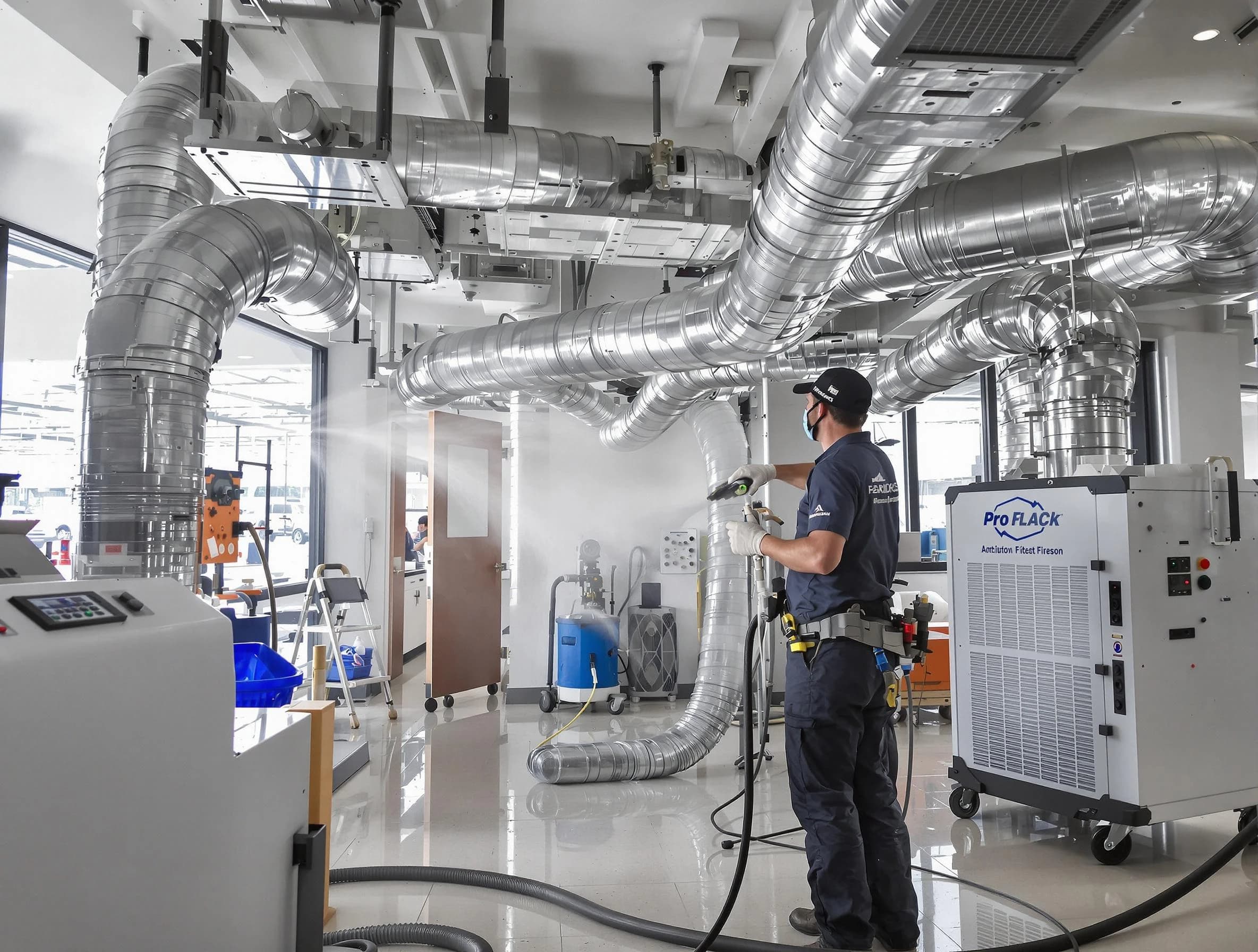
Why Indoor Air Quality Improvement Becomes Necessary in Surfside after Plumbing Failures
Surfside, Florida, is a coastal community celebrated for its luxury condos, waterfront homes, and tropical lifestyle. While living in this area offers unmatched beauty and convenience, it also presents unique challenges for property maintenance—particularly when it comes to indoor air quality (IAQ). One significant factor that can compromise IAQ in Surfside properties is plumbing failure. Leaks, burst pipes, and other water intrusion events can quickly create conditions that lead to poor air quality, mold growth, and long-term property damage.
This guide explores why IAQ improvement becomes necessary following plumbing failures, the environmental and structural factors that exacerbate the problem in Surfside, common warning signs, professional remediation approaches, and long-term preventive strategies.
Understanding the Link Between Plumbing Failures and IAQ
Plumbing failures in homes and condos can take many forms:
- Burst pipes due to age, corrosion, or pressure fluctuations
- Leaking faucets, toilets, or water heaters
- Drain clogs leading to overflow or backflow
- Broken condensate lines from HVAC systems
- Poorly installed or deteriorated plumbing in older buildings
Even small leaks can cause hidden moisture accumulation in walls, ceilings, floors, and ductwork. In coastal areas like Surfside, the warm, humid environment accelerates the development of mold and microbial growth. Once mold spores or bacteria proliferate, they become airborne, reducing indoor air quality and posing potential health risks to residents.
Environmental Factors That Exacerbate IAQ Problems in Surfside
Several local conditions make plumbing-related IAQ issues more severe:
- High Humidity: Surfside experiences year-round humidity levels that range from 60–80%, creating ideal conditions for microbial growth.
- Salt-Laden Air: Proximity to Biscayne Bay introduces salt particles that accelerate corrosion in plumbing and HVAC components, potentially causing leaks and water accumulation.
- Storms and Heavy Rainfall: Seasonal tropical storms and rain events can exacerbate plumbing failures, overwhelm drainage systems, and increase indoor moisture levels.
- Enclosed Spaces and Slab Foundations: Many Surfside homes and condos have limited crawl space, slab foundations, or enclosed walls, making water leaks harder to detect and moisture easier to accumulate.
- Older Infrastructure: Aging pipes, valves, and fixtures in older buildings are more prone to failure, often leading to slow leaks that go unnoticed until significant damage has occurred.
These environmental factors explain why IAQ deterioration can occur rapidly after plumbing failures in Surfside properties.
Common IAQ Challenges Following Plumbing Failures
Real-world observations from Surfside homes reveal several recurring indoor air quality problems after plumbing incidents:
1. Mold and Mildew Growth
Moisture from leaks can saturate drywall, insulation, and ceilings. Mold spores quickly develop in warm, humid environments, becoming airborne and circulating throughout the home via HVAC systems.
2. Elevated Humidity and Dampness
Even after visible water is removed, residual moisture in walls, floors, or ducts can maintain high indoor humidity, promoting microbial growth and poor air quality.
3. Contaminated HVAC Systems
Water infiltration into ducts, vents, or AC components allows mold and bacteria to spread through the home, compromising air quality in multiple rooms.
4. Odors
Persistent musty or sour odors often indicate microbial growth caused by residual moisture. These odors reduce comfort and may indicate ongoing air quality issues.
5. Dust and Particulate Buildup
Debris, sand, and dust introduced during plumbing failures or water intrusion can accumulate in vents and ducts, further compromising air quality.
6. Chemical Off-Gassing
Plumbing failures can cause building materials like drywall, insulation, or flooring to retain moisture, intensifying off-gassing of volatile compounds that negatively affect indoor air quality.
Early Warning Signs of IAQ Problems After Plumbing Failures
Homeowners and property managers in Surfside should watch for these indicators:
- Musty or moldy odors in rooms or near HVAC vents
- Visible mold growth on walls, ceilings, or vents
- Staining, warping, or sagging of walls and ceilings
- Excessive dust accumulation or particulate matter
- Increased allergy or respiratory symptoms among occupants
- Reduced HVAC performance or uneven airflow
- Persistent indoor humidity despite running the AC
Early detection is critical because IAQ problems can escalate quickly in humid coastal environments.
How Professionals Address IAQ After Plumbing Failures
Expert remediation follows a structured, methodical approach:
1. Comprehensive Assessment
Technicians conduct a thorough inspection to identify the source of water intrusion, assess moisture levels, and determine the extent of contamination. Tools may include:
- Moisture meters to detect hidden damp areas
- Thermal imaging cameras to identify water accumulation behind walls
- Air sampling to measure microbial spores and particulate levels
- Duct inspections to detect contamination in HVAC systems
2. Source Control
Repairing the plumbing failure is the first step. Professionals fix leaks, replace damaged components, and ensure proper drainage to prevent further water intrusion.
3. Moisture Removal and Structural Drying
Water extraction, fans, and dehumidifiers are used to dry affected areas. Walls, floors, and ductwork are monitored until moisture levels return to safe ranges.
4. Air Duct Cleaning and HVAC Remediation
HVAC systems are cleaned to remove mold spores, dust, and debris. Antimicrobial treatments may be applied to prevent regrowth.
5. Mold Remediation
Any visible mold is carefully removed following EPA guidelines. Structural materials may need cleaning, sanitization, or replacement if heavily contaminated.
6. Verification
After remediation, air quality tests and moisture assessments confirm that conditions have returned to safe levels. Follow-up inspections ensure lasting results.
Lessons Learned from Local Surfside Homes
Experience in coastal properties highlights important takeaways:
- Hidden Moisture is Common: Water can remain trapped in walls, ceilings, and ductwork long after visible leaks are addressed.
- Rapid Mold Growth: In North Miami’s humid environment, mold can develop within 24–48 hours, underscoring the need for immediate action.
- Integrated Approach is Essential: Addressing plumbing repairs, moisture removal, duct cleaning, and microbial remediation together produces the best results.
- Preventive Maintenance Reduces Risk: Routine inspections of plumbing, HVAC systems, and ductwork help prevent future IAQ issues.
Long-Term Strategies to Maintain Healthy Indoor Air Quality
Property owners can take several steps to prevent recurring IAQ problems after plumbing failures:
1. Routine Plumbing Inspections
Regular inspections of pipes, faucets, valves, and water heaters help detect slow leaks before they cause significant damage.
2. AC and Duct Maintenance
Cleaning coils, drain pans, and ducts regularly prevents microbial growth and maintains optimal airflow.
3. Humidity Control
Maintain indoor humidity between 45–55% using dehumidifiers or HVAC system adjustments to reduce the risk of mold growth.
4. Ventilation Improvements
Ensure attics, crawl spaces, and enclosed areas are well-ventilated to prevent moisture accumulation.
5. Immediate Action After Plumbing Failures
Water extraction, drying, and remediation should begin as soon as leaks are detected. Delays increase the risk of mold, microbial contamination, and poor IAQ.
6. Regular Air Quality Monitoring
Periodic air sampling, humidity measurement, and visual inspections help track IAQ and detect emerging problems early.
7. Protective Measures During Storms
Waterproofing, proper drainage, and emergency preparedness reduce the likelihood of plumbing-related water intrusion during heavy rainfall or tropical storms.
Why Local Expertise Matters
Surfside properties are subject to unique coastal conditions:
- High humidity accelerates mold and microbial growth
- Salt-laden air contributes to corrosion and hidden leaks
- Stormwater intrusion can exacerbate plumbing failures and water accumulation
- Condos and waterfront homes often have complex HVAC systems and duct layouts
Local professionals, such as Tip Top Water and Fire Damage Restoration, have the experience and knowledge to address these challenges effectively. They provide comprehensive IAQ improvement services, including leak repair, moisture removal, duct cleaning, and long-term preventive strategies for Surfside, North Miami, North Miami Beach, Sunny Isles Beach, Bal Harbour, Aventura, Miami Shores, and Biscayne Park properties.
Benefits of Timely IAQ Improvement
Prompt action after plumbing failures offers several advantages:
- Reduces mold and microbial contamination
- Restores healthy indoor air quality for occupants
- Prevents structural damage to walls, ceilings, and flooring
- Enhances HVAC system efficiency
- Minimizes long-term restoration costs
- Maintains property value and occupant comfort
Practical Recommendations for Homeowners
Homeowners and property managers in Surfside should adopt a proactive approach:
- Monitor plumbing systems for leaks, unusual sounds, or water stains
- Schedule professional inspections after any plumbing failure
- Engage experts for moisture removal, duct cleaning, and mold remediation
- Maintain humidity control and proper ventilation
- Conduct follow-up air quality testing and inspections to ensure lasting results
By combining immediate professional intervention with preventive maintenance, Surfside property owners can protect their homes, preserve indoor air quality, and reduce the risks associated with coastal humidity and plumbing failures.