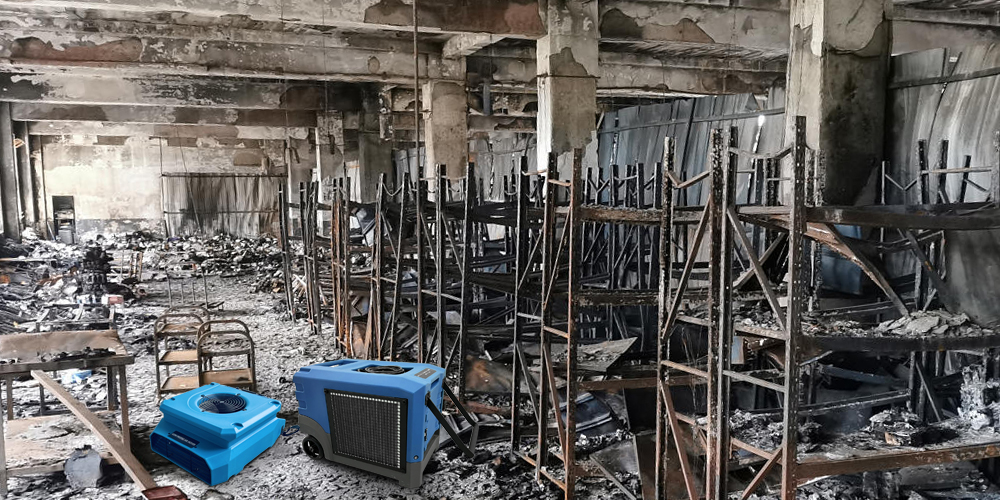
Property Maintenance Insights: Smoke Damage Cleanup in Bal Harbour
Bal Harbour, Florida, is a luxurious coastal community renowned for its upscale homes, oceanfront properties, and tropical environment. While the area offers stunning views and exceptional amenities, property owners in Bal Harbour face unique maintenance challenges, particularly when dealing with smoke damage. Fires—whether minor kitchen incidents, electrical malfunctions, or larger accidents—can leave behind persistent smoke residue, odors, and damage that require professional cleanup and restoration.
Understanding the nuances of smoke damage, recognizing warning signs, and implementing proper remediation strategies are critical for preserving property value, maintaining indoor air quality, and preventing long-term structural damage. This guide draws on real-world insights from local properties to explore the process of smoke damage cleanup, its challenges in coastal homes, and proactive measures for prevention.
How Smoke Damage Impacts Bal Harbour Properties
Smoke damage is not limited to visible soot on walls or ceilings. It can infiltrate various parts of a home, leaving behind hidden residues and odors. Key ways smoke affects Bal Harbour properties include:
- Soot Deposition: Fine particles from smoke settle on walls, ceilings, furniture, and HVAC components, causing discoloration and corrosion over time.
- Odor Penetration: Smoke odors penetrate porous materials, fabrics, carpets, and upholstery, often persisting long after the fire is extinguished.
- Indoor Air Quality Issues: Smoke contains microscopic particles and chemicals that circulate through HVAC systems, reducing indoor air quality and posing respiratory risks.
- Structural Impacts: Prolonged exposure to smoke can damage drywall, wood, metal fixtures, and electronics.
- Hidden Contamination: Smoke often travels through vents, behind walls, and into attics, affecting areas that are not immediately visible.
In Bal Harbour’s coastal environment, the combination of humidity, salt-laden air, and airflow patterns can exacerbate smoke damage, making professional cleanup essential.
Common Causes of Smoke Damage in Coastal Homes
Several factors contribute to smoke damage incidents in Bal Harbour properties:
- Kitchen Fires: Grease, ovens, and stovetops are frequent sources of smoke damage in residential homes.
- Electrical Malfunctions: Faulty wiring, overloaded circuits, and appliance failures can ignite small fires, leaving behind smoke residue.
- Candle and Fireplace Accidents: Open flames can produce smoke that spreads quickly through enclosed spaces.
- Outdoor Wildfires or Nearby Incidents: Coastal winds can carry smoke from external fires into homes, infiltrating HVAC systems and interiors.
- AC or HVAC Malfunctions: Overheating components can emit smoke, depositing particles throughout ductwork and living spaces.
Understanding the source of smoke is crucial for effective cleanup, as it influences the type of residue and the remediation techniques required.
Identifying Smoke Damage in Homes
Homeowners and property managers should be aware of early indicators of smoke damage:
- Persistent smoky or burnt odors, even after the fire has been extinguished
- Discolored walls, ceilings, and light fixtures
- Soot accumulation on surfaces, especially in corners and near vents
- Reduced HVAC efficiency or foul odors emanating from air vents
- Staining on furniture, carpets, or upholstery
- Corrosion or sticky residue on metal fixtures and electronics
Timely identification allows for faster remediation, preventing further damage and long-term contamination.
Professional Smoke Damage Cleanup: Step-by-Step
Effective smoke damage cleanup in Bal Harbour homes requires a methodical approach:
Step 1: Assessment and Inspection
Technicians begin by assessing the extent of damage:
- Visual Inspection: Identifying soot, stains, and areas affected by smoke penetration.
- Moisture and Residue Testing: Checking for chemical residues and areas where smoke may have reacted with humidity or water used to extinguish the fire.
- HVAC Evaluation: Inspecting ducts and vents for contamination to prevent airborne particle circulation.
This assessment ensures that all affected areas, visible and hidden, are addressed during remediation.
Step 2: Containment
Containment prevents smoke residues and odors from spreading to unaffected areas:
- Rooms are sealed using plastic barriers.
- Negative air pressure systems may be used to control airflow.
- Technicians wear protective gear to prevent exposure to soot and chemicals.
Step 3: Dry Cleaning and Soot Removal
Soot removal depends on the surface type and residue severity:
- Dry Cleaning: Gentle sponging or brushing for walls and ceilings to remove loose soot.
- Vacuuming with HEPA Filters: Captures fine particles from floors, upholstery, and carpets.
- Surface Treatment: Cleaning agents designed to neutralize smoke residues without damaging surfaces.
Step 4: Odor Removal and Deodorization
Eliminating smoke odor is critical for restoring comfort:
- Thermal Fogging: Neutralizes odor particles embedded in walls, fabrics, and furniture.
- Ozone Treatments: Used in unoccupied areas to chemically break down odor molecules.
- HEPA Air Filtration: Continuously filters air to remove airborne particles during remediation.
Step 5: Structural Cleaning and Repairs
After soot and odor removal:
- Walls, ceilings, and floors are sanitized and repaired as needed.
- HVAC components are cleaned or replaced if contamination is extensive.
- Any structural damage caused by heat, smoke, or water used during firefighting is addressed.
Step 6: Verification and Quality Assurance
Technicians conduct final inspections to confirm:
- All soot residues have been removed
- Indoor air quality has been restored to safe levels
- Odors have been effectively neutralized
- Moisture and chemical residues have been eliminated
Lessons from Bal Harbour Properties
Experience in local homes provides several key insights:
- Hidden Smoke Damage is Common: Smoke infiltrates ductwork, attics, and enclosed spaces, often going unnoticed until it causes odors or air quality issues.
- Prompt Action Minimizes Damage: Immediate cleanup prevents soot from staining surfaces permanently and reduces long-term corrosion.
- Integrated Approach is Essential: Combining cleaning, deodorization, and structural repairs ensures comprehensive restoration.
- Preventive Measures Reduce Risk: Routine inspections of electrical systems, HVAC units, and fire safety equipment prevent future incidents.
Long-Term Maintenance Strategies
Homeowners in Bal Harbour can adopt proactive strategies to prevent or mitigate smoke damage:
1. Regular HVAC and Duct Maintenance
Cleaning and inspecting air ducts, filters, and AC units reduces the risk of smoke and soot circulation.
2. Electrical System Checks
Routine evaluation of wiring, circuits, and appliances helps prevent fires caused by malfunctions.
3. Fire Safety Measures
Installing smoke detectors, fire extinguishers, and sprinkler systems minimizes the risk of fire and smoke damage.
4. Prompt Response to Smoke Events
Even minor incidents should be addressed quickly to prevent soot and odors from penetrating deeper into structural materials.
5. Dehumidification and Ventilation
Maintaining optimal indoor humidity and proper airflow helps reduce chemical reactions between smoke residues and building materials, limiting corrosion and discoloration.
6. Professional Air Quality Testing
Periodic inspections and air quality testing ensure that homes remain free of airborne smoke particles and odors.
Why Local Expertise Matters
Bal Harbour’s coastal environment presents unique challenges for smoke damage cleanup:
- High humidity accelerates residue penetration and corrosion
- Salt-laden air contributes to damage in metals and electronics
- Luxury homes and waterfront properties often have complex HVAC and structural layouts that require tailored remediation
Local professionals, such as Tip Top Water and Fire Damage Restoration, bring the knowledge and experience necessary to address these challenges effectively. Their services ensure comprehensive cleanup, odor removal, and structural restoration for Bal Harbour, North Miami, Sunny Isles Beach, Aventura, Miami Shores, Surfside, and Biscayne Park properties.
Benefits of Professional Smoke Damage Cleanup
Engaging experts for smoke damage remediation provides multiple advantages:
- Removes soot, odors, and residues effectively
- Restores indoor air quality and comfort for occupants
- Prevents long-term structural corrosion and discoloration
- Protects HVAC systems from contamination
- Minimizes costly repairs and property devaluation
- Ensures safe living environments for residents
Practical Recommendations for Homeowners
Bal Harbour property owners can protect their homes and maintain air quality by:
- Identifying early signs of smoke damage or odors
- Engaging professionals immediately after fire or smoke events
- Implementing preventive measures for fire safety and HVAC maintenance
- Maintaining proper ventilation and indoor humidity
- Scheduling follow-up inspections to confirm restoration effectiveness
By combining timely remediation with proactive property maintenance, homeowners can preserve the value, safety, and comfort of their Bal Harbour homes.