
Preventing Future Problems: AC Moisture Repair in Biscayne Park
Air conditioning systems are essential for comfortable living in Biscayne Park. With high humidity, warm temperatures, and long cooling seasons, most homes depend on their HVAC systems every day. While these systems are designed to remove moisture from the air, they can also become a source of hidden water problems when drainage, airflow, or condensation issues develop.
AC moisture problems often start small. A partially clogged drain line, a poorly insulated duct, or excess humidity in the air can gradually lead to water buildup. Over time, this moisture may damage ceilings, walls, insulation, or even structural materials. Understanding how professionals approach AC moisture repair helps homeowners prevent these problems before they become costly.
What AC Moisture Problems Really Are
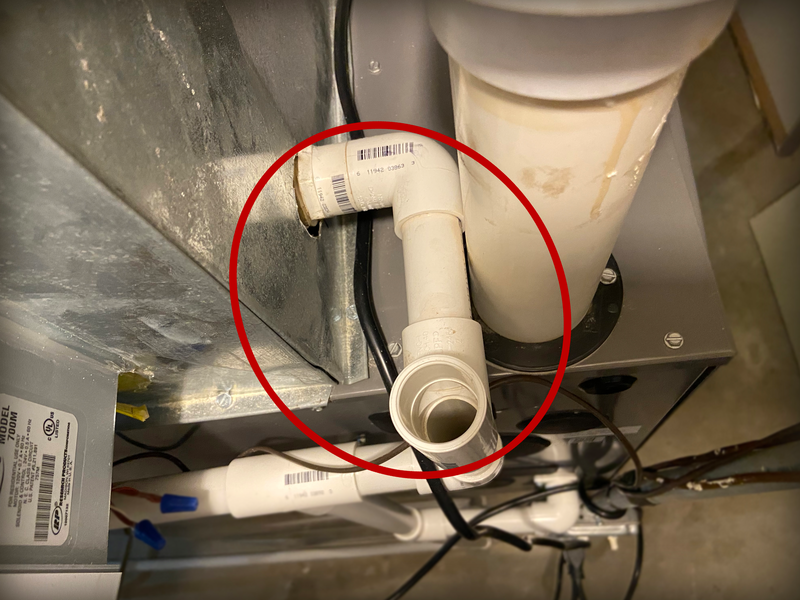
Air conditioners naturally produce condensation as part of the cooling process. Warm indoor air passes over cold evaporator coils, causing moisture to collect and drain away through a condensate line. When this drainage system works properly, homeowners rarely notice the process.
Problems arise when water cannot drain efficiently or when condensation forms in areas that are not designed to handle moisture. This may occur inside ducts, near vents, or around the air handler. In Biscayne Park homes, moisture is often found in attic ductwork or ceiling cavities where humid air meets cold surfaces.
If left unaddressed, this moisture can create conditions suitable for mold growth and material deterioration.
Why This Happens So Often in Biscayne Park
Several factors make AC moisture issues more common in Biscayne Park and nearby areas like North Miami and Miami Shores. The most significant factor is humidity. South Florida’s climate means AC systems remove large amounts of moisture daily, increasing strain on drainage components.
Coastal air also plays a role. Salt in the air can accelerate corrosion in metal components, affecting drain pans and coils over time. During heavy rain or storm seasons, indoor humidity often rises, making condensation more likely.
Another contributing factor is attic heat. Many duct systems run through attic spaces that become extremely warm. When cool air flows through ducts in these hot environments, condensation forms more easily, especially if insulation is inadequate.
Signs Homeowners Often Notice
Moisture problems related to air conditioning systems rarely begin dramatically. Instead, homeowners may notice small warning signs that gradually become more noticeable. These can include musty odors when the AC starts, water stains near vents, or slightly damp ceilings.
Other common signs include:
- Dripping sounds in ceilings or walls
- Increased indoor humidity
- Uneven cooling between rooms
- Paint peeling or bubbling near vents
These symptoms often indicate that condensation is forming in ducts or drainage systems are not functioning properly.
Hidden Sources of Moisture
One of the challenges in AC moisture repair is identifying the true source of the problem. Professionals frequently discover hidden causes such as clogged condensate lines, disconnected ducts, or damaged insulation.
Air leaks around duct joints can also allow warm, humid air to enter the system, creating condensation inside ducts. In some homes, oversized AC units cool the air quickly but do not run long enough to remove humidity effectively, leaving indoor air damp.
Because many of these issues occur in attics or concealed spaces, they often go unnoticed until visible damage appears.
Why DIY Fixes Often Fail
Homeowners sometimes attempt to solve moisture problems by cleaning visible drain pans or using portable dehumidifiers. While these steps may provide temporary relief, they rarely address the underlying cause.
Moisture can remain trapped inside drywall, insulation, or subflooring even after surfaces feel dry. Without specialized equipment, it is difficult to determine whether materials are fully dry. Incomplete drying can lead to recurring humidity issues and mold growth.
Professional repair focuses on identifying the source of moisture and correcting it, rather than simply drying the affected area.
Professional Inspection and Moisture Detection
A thorough inspection is the first step in addressing AC moisture problems. Technicians evaluate the entire HVAC system, including coils, drain lines, ducts, insulation, and surrounding building materials.
Moisture meters and thermal imaging cameras help detect damp areas that are not visible to the eye. These tools allow professionals to identify how far moisture has spread and determine the best course of action.
In Biscayne Park homes, inspections often reveal moisture inside attic ducts or around ceiling penetrations, especially after periods of heavy rain or high humidity. Companies like Tip Top Water and Fire Damage Restoration often find that early detection significantly reduces repair costs and prevents mold growth.
The Repair and Drying Process
Once the source of moisture is identified, repairs may involve clearing clogged drain lines, sealing duct connections, improving insulation, or adjusting airflow within the HVAC system. If water damage has already occurred, drying equipment may be used to remove moisture from affected materials.
Air movers increase airflow across damp surfaces, while commercial dehumidifiers remove moisture from the air. Technicians monitor humidity levels regularly to ensure materials dry completely before repairs are finalized.
This careful approach helps prevent recurring problems and ensures that moisture levels return to safe ranges.
Mold Risks Associated With AC Moisture
Warm temperatures and high humidity create ideal conditions for mold growth. When condensation remains inside ducts or insulation, mold can begin developing within a short period of time.
Mold growth may remain hidden behind walls or above ceilings, making early detection especially important. Proper moisture repair and ventilation significantly reduce this risk and help maintain healthy indoor air quality.
Preventive maintenance is often far less costly than mold remediation after growth has occurred.
Air Ducts, Ventilation, and Humidity Control
Air ducts play a crucial role in maintaining indoor comfort. When ducts are damp or poorly insulated, condensation forms more easily, and airflow may become restricted. Reduced airflow forces AC systems to work harder, increasing energy consumption and wear on equipment.
Proper ventilation, clean filters, and well-sealed ducts help maintain balanced humidity levels and improve system efficiency. Regular inspections ensure that ducts remain dry and free from buildup.
Preventing Future Moisture Problems
Preventive maintenance is the most effective way to avoid AC moisture damage. Homeowners in Biscayne Park and surrounding communities can reduce risks by scheduling annual HVAC inspections, keeping drain lines clear, and replacing air filters regularly.
Monitoring humidity levels indoors also helps identify potential problems early. Addressing water stains or musty odors promptly prevents minor issues from developing into major repairs.
Maintaining attic ventilation and sealing duct connections are additional steps that help reduce condensation in humid climates.
Why Local Experience Matters
AC moisture repair in South Florida requires an understanding of local climate patterns and building practices. Homes in Biscayne Park face unique challenges due to humidity, salt air exposure, and frequent storms.
Professionals familiar with North Miami, Surfside, and Aventura understand how these conditions affect HVAC systems and how to prevent recurring moisture problems. Local experience allows technicians to identify risks quickly and recommend practical solutions tailored to coastal environments.
Tip Top Water and Fire Damage Restoration has handled many restoration cases where early moisture repair prevented significant structural damage, demonstrating the importance of timely inspection and maintenance.
A Practical Approach to Protecting Your Home
AC moisture problems often begin quietly, but they can lead to serious damage if ignored. Regular inspections, proper drainage, and timely repairs help maintain indoor comfort and protect structural materials.
For homeowners in Biscayne Park, staying attentive to early warning signs and maintaining HVAC systems properly can prevent many common problems. With consistent preventive care, air conditioning systems continue to operate efficiently, keeping homes dry, comfortable, and protected throughout the year.