
Preventing Future Problems: Moisture Detection in Coastal Neighborhoods Near Biscayne Bay
Living in coastal neighborhoods near Biscayne Bay offers many advantages—beautiful views, ocean breezes, and a warm climate year-round. However, the same environment that makes these areas attractive also creates ideal conditions for moisture problems inside homes. High humidity, frequent rain, and salt-laden air can all contribute to hidden moisture buildup in walls, ceilings, and structural materials.
Moisture detection plays a critical role in preventing long-term property damage. By identifying damp areas early, homeowners can address small issues before they turn into mold growth, structural deterioration, or costly repairs.
What Moisture Detection Really Means
Moisture detection is the process of locating hidden water or dampness in building materials. Unlike visible leaks or flooding, moisture problems often develop quietly behind walls, under flooring, or inside ceilings.
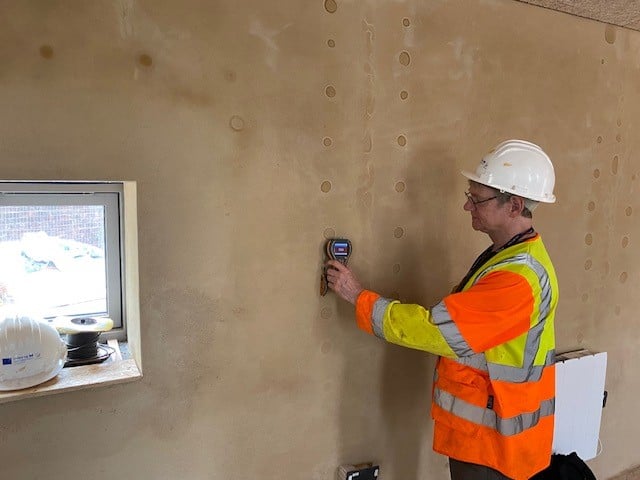
Professional moisture detection uses specialized tools such as moisture meters and thermal imaging equipment to identify areas where water has accumulated. These tools allow technicians to detect problems long before they become visible to homeowners.
In coastal areas near Biscayne Bay, moisture detection is often part of routine property maintenance because humidity alone can create hidden dampness over time.
Why Moisture Problems Are Common Near Biscayne Bay
Coastal neighborhoods such as North Miami, Biscayne Park, and Miami Shores experience environmental conditions that increase the likelihood of moisture intrusion. Humidity levels remain high throughout most of the year, and sea breezes carry moisture into buildings even when there is no rain.
Frequent storms and heavy rainfall also play a role. Wind-driven rain can force water into small gaps around windows, roofs, or exterior walls. Over time, these minor intrusions can allow moisture to accumulate in insulation or framing.
Air conditioning systems contribute as well. When cold air passes through ducts in warm attic spaces, condensation can form, sometimes leading to damp areas that remain unnoticed.
Early Signs Homeowners Often Notice
Moisture problems rarely begin with obvious flooding. Instead, homeowners often notice small warning signs that indicate something is not right.
Common early indicators include:
- Musty or damp odors
- Small ceiling stains
- Peeling or bubbling paint
- Warped baseboards
- Slightly damp drywall
Some homeowners also notice increased indoor humidity or rooms that feel heavier and less comfortable even when the air conditioning is running normally. These signs often point to hidden moisture rather than surface water.
Hidden Sources of Moisture
One of the challenges of moisture detection is identifying where water is coming from. In coastal homes, hidden moisture can result from several sources.
Slow plumbing leaks inside walls are a common cause. Even a small drip from a pipe fitting can saturate surrounding materials over time. Roof leaks may also allow moisture to enter attic insulation, eventually affecting ceilings below.
Another overlooked source is condensation. Poorly insulated ducts, cold water lines, or metal components in humid environments can produce condensation that accumulates slowly but steadily.
Because these problems develop gradually, they may not become visible until damage has already begun.
Why DIY Methods Often Miss the Problem
Homeowners sometimes attempt to locate moisture by looking for visible stains or using basic household tools. While these steps may identify obvious leaks, they rarely detect moisture hidden deep within building materials.
Moisture meters used by professionals measure the water content inside materials, while thermal imaging cameras reveal temperature differences caused by dampness. Without this equipment, hidden moisture often remains undetected.
Incomplete detection can lead to recurring problems, because repairs may address visible damage without resolving the underlying cause.
Professional Moisture Detection Process
A professional moisture detection service begins with a careful inspection of areas most likely to be affected. Technicians evaluate walls, ceilings, flooring, and HVAC components to identify potential sources of moisture.
Using specialized equipment, they measure moisture levels and map the extent of damp areas. This allows them to determine whether drying, repairs, or further investigation is needed.
In many coastal homes, moisture detection reveals problems early enough that only minor repairs are required. Companies like Tip Top Water and Fire Damage Restoration often find that early detection prevents larger restoration projects later.
How Moisture Leads to Structural Damage
When moisture remains inside building materials, it gradually weakens them. Drywall can soften, wood framing may warp, and insulation can lose its effectiveness. Over time, structural components may deteriorate if moisture is not removed.
Humidity also slows the natural drying process, allowing dampness to persist longer than expected. This is why moisture detection is especially important in coastal climates where evaporation occurs more slowly.
Addressing moisture early helps preserve structural integrity and prevents expensive repairs.
Mold Risks in Humid Coastal Homes
Mold growth is one of the most significant risks associated with hidden moisture. Mold spores are present in most environments, but they require moisture to grow. When dampness remains in walls or ceilings, mold can begin developing in a relatively short time.
Mold often grows in hidden areas such as behind drywall or under flooring, making it difficult to detect without professional inspection. Moisture detection helps identify conditions where mold is likely to develop, allowing preventive action to be taken.
Preventing mold growth is far easier and less costly than removing it after it spreads.
The Role of HVAC Systems in Moisture Problems
Air conditioning systems play a major role in managing humidity, but they can also contribute to moisture issues if not properly maintained. Clogged drain lines, condensation in ducts, or poor airflow can lead to damp areas in ceilings or walls.
During moisture detection inspections, technicians often evaluate HVAC components to ensure they are functioning correctly and not contributing to humidity problems.
Proper ventilation and regular maintenance help keep indoor humidity under control and reduce the likelihood of moisture accumulation.
Preventing Future Moisture Problems
Preventive maintenance is the most effective way to protect homes near Biscayne Bay from moisture damage. Homeowners can take several steps to reduce risk.
Regular roof inspections help identify small leaks before they worsen. Maintaining plumbing systems and addressing minor leaks promptly also prevents hidden moisture buildup. Ensuring proper attic ventilation reduces condensation in ducts and structural components.
Monitoring indoor humidity levels is another important step. When humidity rises unexpectedly, it may indicate a developing moisture problem that should be inspected.
Why Local Experience Matters
Moisture detection in coastal South Florida requires knowledge of local environmental conditions and building practices. Homes near Biscayne Bay face challenges that differ from inland properties, including higher humidity, salt air exposure, and frequent storms.
Professionals familiar with North Miami, Miami Shores, and Biscayne Park understand how moisture behaves in coastal structures and how to detect problems early. Local experience allows technicians to recognize warning signs quickly and recommend practical solutions.
Tip Top Water and Fire Damage Restoration has worked with many homeowners in these communities, where early moisture detection prevented structural damage and mold growth.
A Practical Approach to Protecting Coastal Homes
Moisture problems often develop quietly, but their effects can be significant if ignored. Early detection, proper maintenance, and timely repairs help protect homes from long-term damage.
For homeowners in coastal neighborhoods near Biscayne Bay, routine inspections and awareness of early warning signs make a significant difference. By addressing moisture before it spreads, property owners can maintain comfortable, healthy living spaces and preserve the long-term value of their homes.