
Practical Steps That Really Work: Water Removal Challenges in Bayfront Homes in North Miami
Bayfront homes in North Miami offer beautiful views and easy access to the water, but they also face unique challenges when it comes to moisture and water intrusion. Coastal air, heavy rain, storm surge risks, and high humidity create conditions where water damage can develop quickly. When water enters a home, proper removal becomes essential to prevent long-term structural damage and mold growth.
For property owners, understanding the real challenges of water removal—and the practical steps that actually work—can make a significant difference in protecting both the structure and indoor comfort of a home.
What Water Removal Really Involves
Water removal is not simply about extracting standing water. While pumps and vacuums remove visible water, the larger concern is moisture trapped in building materials. Drywall, insulation, subfloors, and framing can absorb water quickly, and this moisture may remain even when surfaces appear dry.
Effective water removal includes extraction, moisture detection, structural drying, and monitoring humidity levels until materials return to safe conditions. Without these steps, hidden moisture can continue damaging materials long after the initial incident.
Why Bayfront Homes Face Greater Water Removal Challenges
Homes located near Biscayne Bay are exposed to environmental factors that increase the risk of water intrusion. Storm-driven rain can push water through small gaps around windows or exterior walls. Wind pressure during storms may also force moisture into roof structures or attic spaces.
High humidity further complicates drying. In coastal climates, evaporation occurs more slowly, meaning wet materials remain damp longer than expected. Salt air can also affect metal components and building materials, increasing the likelihood of corrosion or deterioration after water exposure.
Many bayfront homes feature large windows and open layouts designed to maximize views, which can sometimes make them more vulnerable to wind-driven rain.
Common Signs Homeowners Notice
Water damage often begins with subtle warning signs rather than obvious flooding. Property owners may notice musty odors, small stains on ceilings, or baseboards that appear swollen. Flooring may feel slightly uneven or soft in certain areas.
Other signs include:
- Persistent indoor humidity
- Peeling paint near ceilings or windows
- Damp carpet or rugs
- Water stains near exterior walls
Recognizing these signs early allows water removal to begin before damage spreads.
Hidden Sources of Water Intrusion
One of the biggest challenges professionals encounter in bayfront homes is locating the true source of moisture. Water may enter through roof leaks, window seals, or small cracks in exterior walls. Plumbing leaks inside walls are also common and may go unnoticed for long periods.
Condensation is another overlooked source. When air conditioning systems run continuously in humid environments, condensation may form in ducts or on cold surfaces, creating damp areas that contribute to water damage.
Because water can travel along framing and structural components, the location of visible damage is not always the source of the problem.
Why DIY Water Removal Often Falls Short
Many homeowners attempt to remove water using mops, fans, or household dehumidifiers. While these methods may reduce surface moisture, they rarely eliminate water trapped inside materials. Incomplete drying often leads to lingering odors, mold growth, or weakened structural components.
Professional drying equipment is designed to remove moisture from both the air and building materials. Without proper monitoring, it is difficult to determine when drying is complete, increasing the risk of recurring problems.
Professional Moisture Detection and Inspection
A thorough inspection is the foundation of effective water removal. Technicians use moisture meters and thermal imaging equipment to locate damp areas that are not visible to the eye. These tools help determine how far water has spread and which materials require drying or replacement.
In North Miami bayfront homes, inspections often reveal moisture beneath flooring or inside wall cavities, particularly after storms. Early detection prevents minor issues from becoming major repairs.
Companies such as Tip Top Water and Fire Damage Restoration often emphasize moisture detection as a key step in preventing long-term damage.
Practical Drying Steps That Really Work
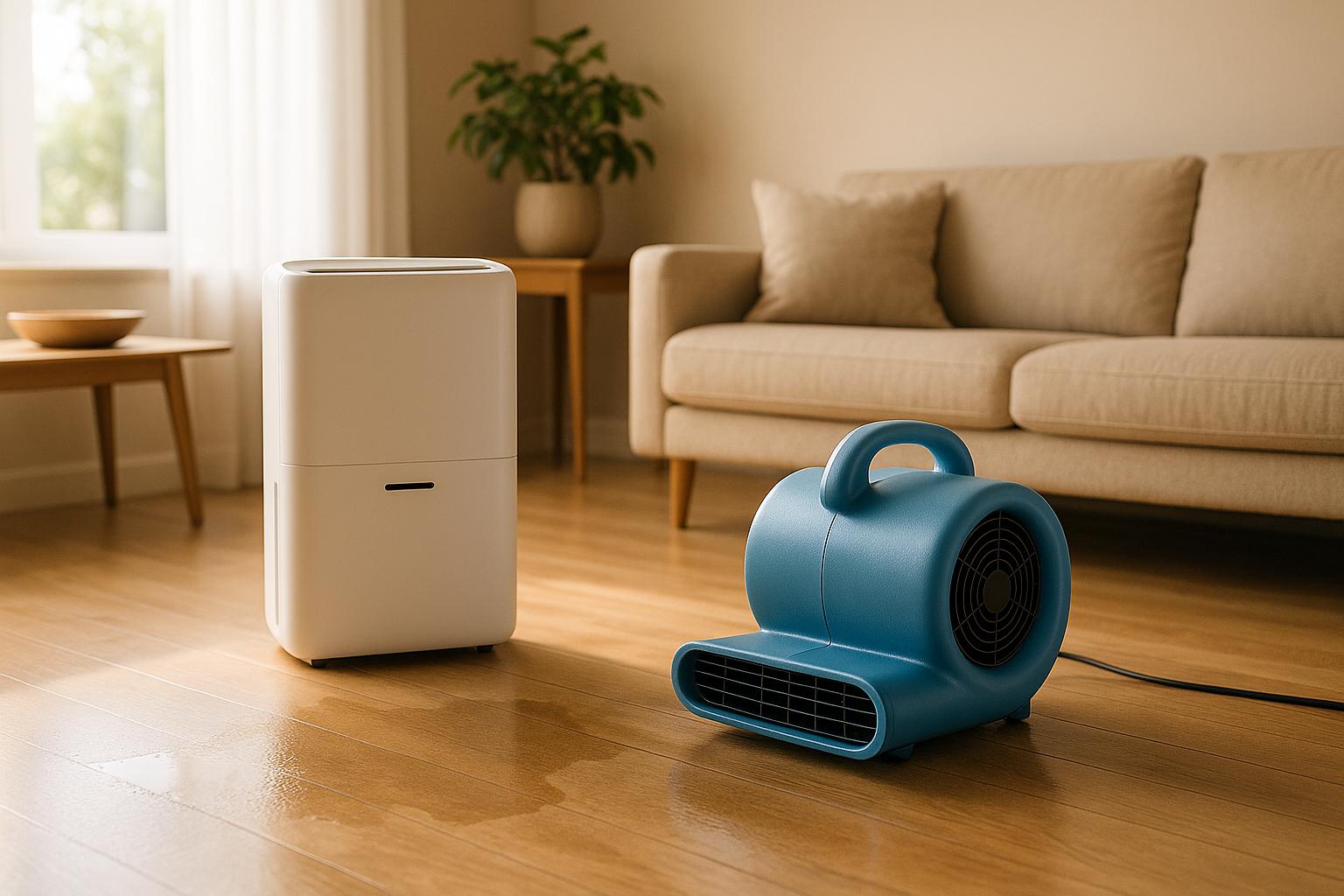
Effective water removal involves several practical steps that have proven successful in coastal environments. First, standing water is extracted using specialized equipment. Once the surface water is removed, air movers are placed to increase airflow across wet areas.
Dehumidifiers are then used to remove moisture from the air, accelerating evaporation from walls and flooring. Technicians monitor humidity and moisture readings regularly to ensure materials dry completely.
This controlled drying process prevents hidden moisture from remaining trapped in structural components.
Mold Risks After Water Damage
In warm and humid climates like North Miami, mold can begin to develop quickly when moisture remains. Mold often grows in hidden areas such as behind drywall or under flooring, making early drying essential.
Proper water removal significantly reduces the likelihood of mold growth. By removing moisture quickly and thoroughly, professionals help protect indoor air quality and prevent additional restoration work.
Preventing mold is one of the main reasons timely water removal is so important.
HVAC Systems and Moisture Control
Air conditioning systems play an important role in managing humidity, but they can also be affected by water damage. Moisture entering ductwork or air handlers can circulate humid air throughout the home, slowing the drying process.
During water removal projects, technicians often inspect HVAC systems to ensure they are functioning properly and not contributing to humidity problems. Maintaining clean ducts and clear drain lines helps prevent recurring moisture issues.
Preventing Future Water Problems in Bayfront Homes
Preventive maintenance is essential for homes near Biscayne Bay. Property owners can reduce risk by inspecting roofs regularly, maintaining plumbing systems, and sealing windows and exterior walls. Keeping drainage systems clear helps direct rainwater away from the home.
Monitoring indoor humidity levels is another effective step. When humidity rises unexpectedly, it often signals hidden moisture or ventilation problems that should be addressed promptly.
Taking these preventive measures helps reduce the likelihood of future water removal needs.
Why Local Experience Matters
Water removal in coastal South Florida requires knowledge of local climate conditions and construction methods. Homes in North Miami face unique challenges related to humidity, salt air exposure, and frequent storms.
Professionals familiar with nearby communities such as Sunny Isles Beach, Aventura, and Miami Shores understand how moisture behaves in coastal structures and how to dry materials effectively in humid environments. Local experience allows technicians to identify risks quickly and recommend solutions that work in this climate.
Tip Top Water and Fire Damage Restoration has handled many restoration projects in bayfront neighborhoods where prompt water removal prevented structural damage and costly repairs.
A Practical Approach to Protecting Bayfront Homes
Water intrusion can be stressful, but proper removal and drying make recovery manageable. Identifying moisture early, drying materials thoroughly, and addressing the source of water help prevent long-term damage.
For homeowners in North Miami’s bayfront communities, staying alert to early warning signs and maintaining properties carefully can prevent many common problems. With the right approach, homes can remain dry, comfortable, and well-protected despite the challenges of coastal living.