
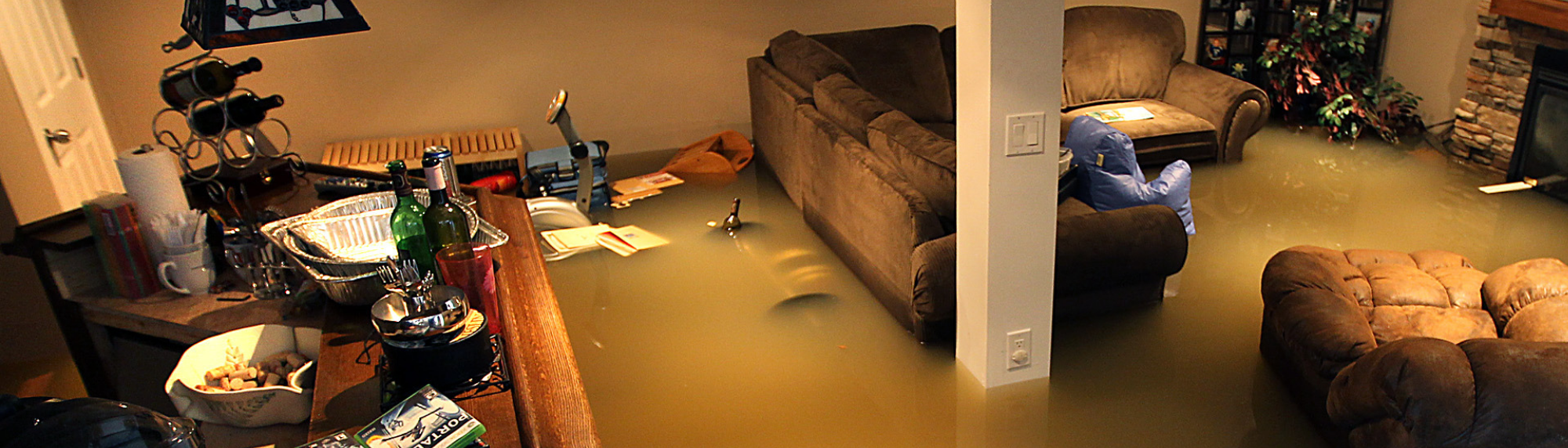
Simple Ways to Reduce Long-Term Damage: Flood Restoration Challenges in Biscayne Park
Flooding is one of the most difficult types of property damage homeowners face in Biscayne Park. Even a small amount of water entering a home can cause lasting problems if it is not handled properly. Between heavy seasonal rain, aging drainage systems, and the naturally high humidity of South Florida, flood-related issues are more common than many property owners expect.
While flood restoration can seem overwhelming, there are practical steps that truly reduce long-term damage. Understanding the challenges involved helps homeowners act quickly and protect their homes more effectively.
What Flood Restoration Really Involves
Flood restoration is not just about removing visible water. The real challenge begins after standing water is gone. Moisture can remain trapped inside drywall, insulation, subfloors, and framing. If these materials are not dried properly, they can weaken, warp, or support mold growth.
Restoration usually includes water extraction, moisture detection, structural drying, sanitation, and repairs. Each step plays a role in preventing long-term structural and indoor air quality problems.
In Biscayne Park homes, thorough drying is especially important because humidity slows natural evaporation.
Why Flood Damage Is Challenging in Biscayne Park
Several factors make flood restoration more complex in Biscayne Park and nearby communities such as North Miami and Miami Shores. One of the biggest challenges is humidity. Moisture in the air slows the drying process, meaning materials remain damp longer than expected.
Another challenge is the way water spreads. Floodwater does not stay in one place. It travels along flooring, behind walls, and into insulation. By the time visible water is removed, hidden moisture may already be affecting structural components.
Storm-related flooding can also introduce contaminated water, which requires careful cleaning and sanitation to prevent odors or health risks.
Early Signs of Flood-Related Damage
Some signs of flood damage appear immediately, but others develop gradually. Homeowners often notice:
- Musty or damp odors
- Warped flooring or loose tiles
- Bubbling paint or peeling drywall
- Discoloration on walls or ceilings
- Persistent humidity indoors
These signs often indicate that moisture is still present even after visible water has been removed.
Recognizing these warning signs early allows restoration to begin before long-term damage develops.
Hidden Moisture: The Biggest Restoration Challenge
One of the most difficult aspects of flood restoration is locating hidden moisture. Water can seep under flooring, into wall cavities, or into insulation where it cannot be seen.
Without proper detection equipment, these areas may remain damp for weeks. Over time, this trapped moisture can weaken structural materials and create conditions where mold develops.
Professional inspections often reveal moisture in places homeowners would never suspect, especially in subfloors and behind baseboards.
Why Quick Drying Matters
The first 24 to 48 hours after flooding are critical. The longer materials remain wet, the greater the risk of permanent damage. Wood may swell or warp, drywall may lose strength, and insulation may become ineffective.
Quick water extraction followed by controlled drying significantly reduces these risks. Air movers increase airflow, while dehumidifiers remove moisture from the air to speed evaporation.
Proper drying not only protects materials but also prevents lingering odors and humidity problems.
Why DIY Flood Cleanup Often Falls Short
Many homeowners attempt to handle flood cleanup using household fans or shop vacuums. While these methods can remove surface water, they rarely eliminate moisture trapped inside building materials.
Without moisture meters or thermal imaging equipment, it is difficult to determine whether materials are fully dry. Surfaces may appear dry while internal moisture remains, leading to problems weeks or months later.
Professional equipment is designed to dry structures deeply and efficiently, which is essential in humid environments like Biscayne Park.
Professional Moisture Detection and Monitoring
A key step in reducing long-term damage is accurate moisture detection. Technicians use specialized tools to measure moisture levels in walls, floors, and structural components. This allows them to identify exactly where drying is needed.
Monitoring continues throughout the drying process. Moisture readings are checked regularly to confirm that materials are returning to safe levels before repairs begin.
Companies like Tip Top Water and Fire Damage Restoration often emphasize monitoring because incomplete drying is one of the most common causes of recurring damage.
Mold Risks After Flooding
Mold growth is one of the most serious risks following flooding. In warm climates, mold can begin developing quickly when moisture remains. Mold often grows in hidden areas such as behind drywall or under flooring, making early drying essential.
Proper flood restoration reduces the risk of mold by removing moisture quickly and thoroughly. Preventing mold growth is far easier and less costly than removing it after it spreads.
Maintaining good ventilation and humidity control after restoration also helps protect indoor air quality.
The Role of HVAC Systems in Flood Restoration
Air conditioning systems play an important role in managing humidity during restoration. However, HVAC systems can also be affected by flooding if moisture enters ducts or air handlers.
During restoration, technicians often inspect ducts and ventilation systems to ensure they are dry and functioning properly. Keeping ducts clean and dry helps prevent odors and improves airflow.
Proper ventilation also speeds drying and reduces indoor humidity levels.
Practical Steps That Reduce Long-Term Damage
Property owners in Biscayne Park can take several simple but effective steps to minimize long-term damage after flooding.
Act quickly to remove standing water and begin drying. Address the source of the flooding immediately to prevent additional moisture from entering the home. Remove wet materials such as rugs or damaged drywall when necessary, and ensure adequate airflow and dehumidification during drying.
Regular inspections after restoration help confirm that moisture has not returned and that repairs remain effective.
These steps may seem simple, but they significantly reduce the risk of structural deterioration and mold growth.
Why Local Experience Matters
Flood restoration in South Florida requires an understanding of local climate conditions and building practices. Homes in Biscayne Park face unique challenges due to humidity, heavy rainfall, and storm activity.
Professionals familiar with nearby areas such as North Miami, El Portal, and Miami Shores understand how moisture behaves in local structures and how to dry materials effectively in humid environments.
Tip Top Water and Fire Damage Restoration has handled many restoration projects in these communities, where early intervention helped prevent extensive repairs and long-term structural issues.
A Practical Approach to Protecting Your Home
Flood damage can be stressful, but the right steps taken early make a significant difference. Rapid water removal, thorough drying, and careful monitoring help prevent long-term structural damage and mold growth.
For homeowners in Biscayne Park, paying attention to early warning signs and acting quickly after flooding helps protect both the home and its long-term value. With proper restoration and preventive maintenance, properties can recover effectively and remain safe, comfortable, and durable despite the challenges of South Florida’s climate.